Inspection FAQ
Is it safe to buy a house that tested high for radon?
A high radon test during inspection isn't always a deal-breaker. Learn how to confirm the result, negotiate the fix, and what mitigation costs.
Waiving the inspection contingency doesn't mean skipping the inspection. Learn what you give up, what you keep, and a pre-signing checklist.
You've found a house you like, there are several offers on it, and your agent says the strongest bids skip the inspection contingency. Before you sign, you want to know whether waiving it means you never find out what's behind the walls. It doesn't. You can waive the contingency and still hire an inspector. The difference is what the report can do for you once you have it. The sections below cover what you give up, what you keep, the middle-ground options and a checklist to use before you sign.
Waiving the inspection contingency doesn't stop you from paying an inspector to go through the house. This is usually called an informational (or information-only) inspection. You get the full picture of the roof, furnace, wiring and foundation. But you can't use the findings to change your offer or negotiate with the seller (Chase; Redfin).
So the report becomes a to-do list, not a bargaining tool. If the inspector finds a cracked heat exchanger, you can't ask for a repair, a credit or a lower price. If you decide to back out over what the report says, you risk losing your earnest money (Redfin).
How much protection you have left comes down to three pieces of paper:
What you give up with a full waiver:
What you still keep:
Watch the clock. Even when you keep the contingency, it doesn't last forever. The inspection period is typically 7 to 10 days from the day your offer is accepted. If you let it lapse, you're usually accepting the home as-is, and backing out after that can put your earnest money at risk (HomeLight; Progressive). In the Seattle area, NWMLS Form 35 gives 10 business days from mutual acceptance (Manaky). California works the other way: the buyer has to sign a Contingency Removal form, and without it the contingencies stay in effect after the stated period (HomeLight).
Many buyers don't realize that giving up repair requests and giving up the right to cancel are two separate choices. These are the three common setups, from least to most protection:
1. Full waiver. You give up the contingency entirely. If you've also agreed to informational-only terms, you're likely locked in and could lose your earnest money if you walk away (Redfin).
2. Contingency kept, informational only (the Seattle "as-is" style). You keep the inspection contingency but agree not to ask for repairs or price reductions. If the report turns up something you can't live with, you can still terminate, and your earnest money is protected as long as you do it within the window (Manaky). The seller knows you won't come back with a repair list. You keep the option to walk away.
3. Threshold, cap or limited scope. These are in-between versions:
Define "major" in writing. If the contract says "major defects" and nothing more, you and the seller can disagree about a 25-year-old furnace or a sagging rafter. Spell it out: a dollar amount per item, named systems (foundation, roof structure, electrical service, sewer line, heating and cooling) or safety hazards found by a licensed pro.
If keeping a contingency would cost you the house, you can still get information before you're bound by a contract:
You can also strengthen an offer without touching the inspection at all (Redfin):
A standard home inspection averages about $344 in 2026, and most buyers pay between $296 and $424. For a home of 2,500 to 3,000 square feet, expect $300 to $500. Specialty tests are billed separately. Radon testing runs about $250, and a sewer line camera scope averages $287, with a range of $122 to $672 (Houwzer, citing HomeAdvisor data).
Compare that with average repair costs. Replacing an HVAC system runs about $7,500, a roof repair is over $1,000 and foundation repair is over $5,000 (Chase). Even when the report can't get you a credit, a few hundred dollars spent up front tells you whether you need to set aside $1,000 or $10,000 after closing.
Two other parties look at the house, and neither replaces an inspection:
If you're writing an offer this fall and hoping to be settled in by Thanksgiving, go through this list before you sign anything:
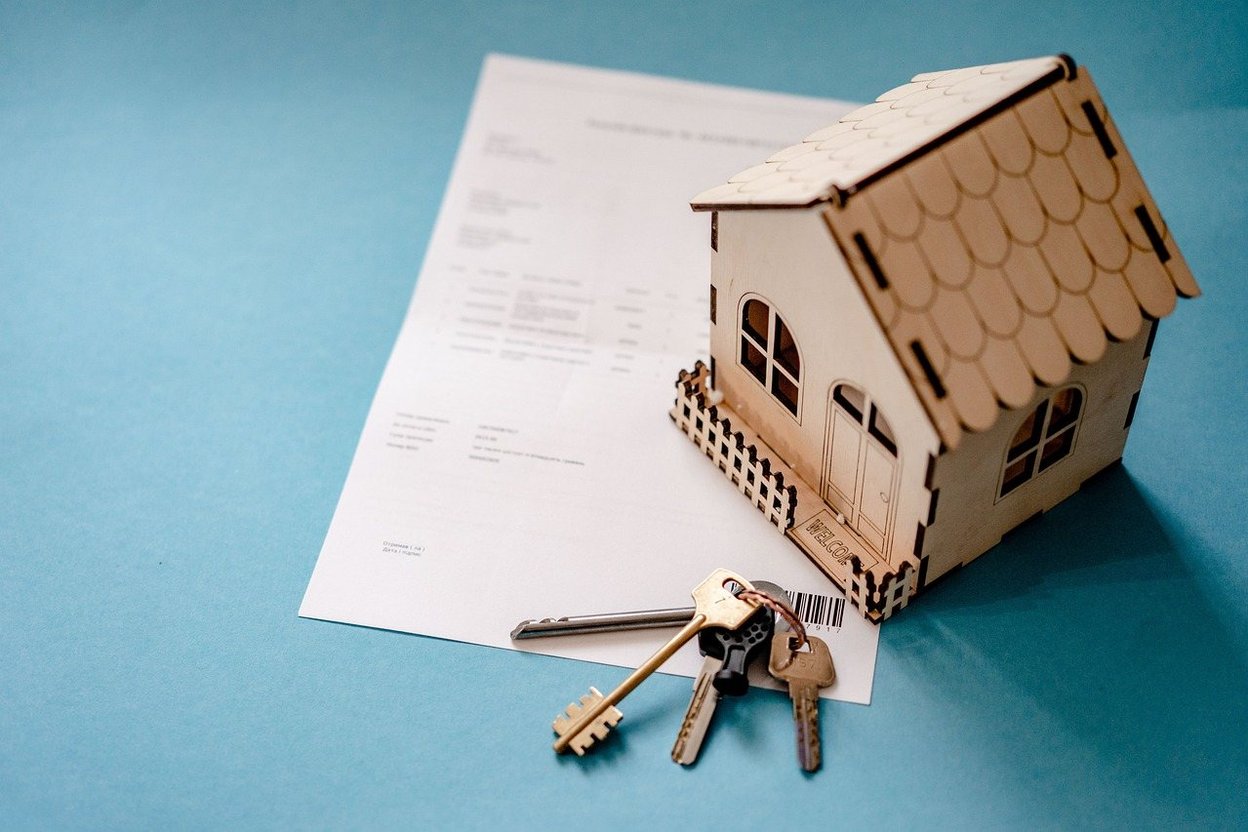
Photo by OleksandrPidvalnyi on Pixabay.
A high radon test during inspection isn't always a deal-breaker. Learn how to confirm the result, negotiate the fix, and what mitigation costs.
Usually you shouldn't send the full report. Learn what to share with the seller, what to keep private, and when your contract requires full copies.
Hidden defect after closing? Learn when the seller, the inspector, or you pay, what the state rules mean, and what to do in 30 days.