Safety
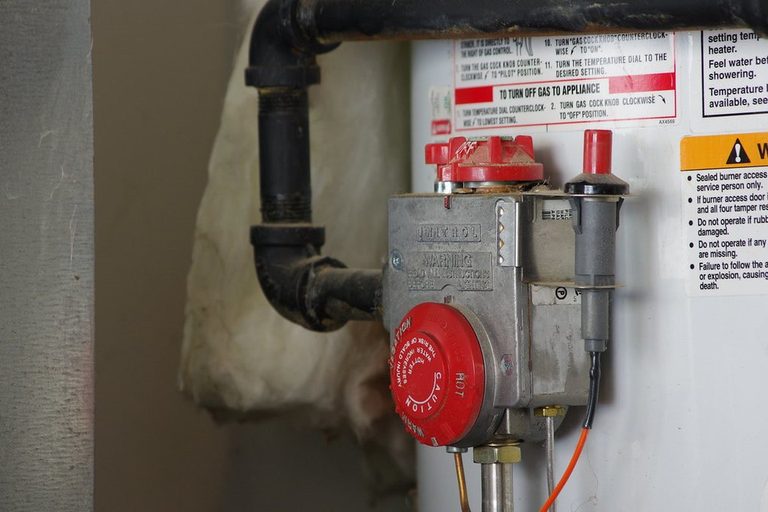
Water Heater Temperature: Why 120°F Is the Right Setting, and How to Check Yours
Why 120°F is the recommended water heater setting for safety and energy, and how to measure your tap temperature in about five minutes.
7 articles
Why 120°F is the recommended water heater setting for safety and energy, and how to measure your tap temperature in about five minutes.
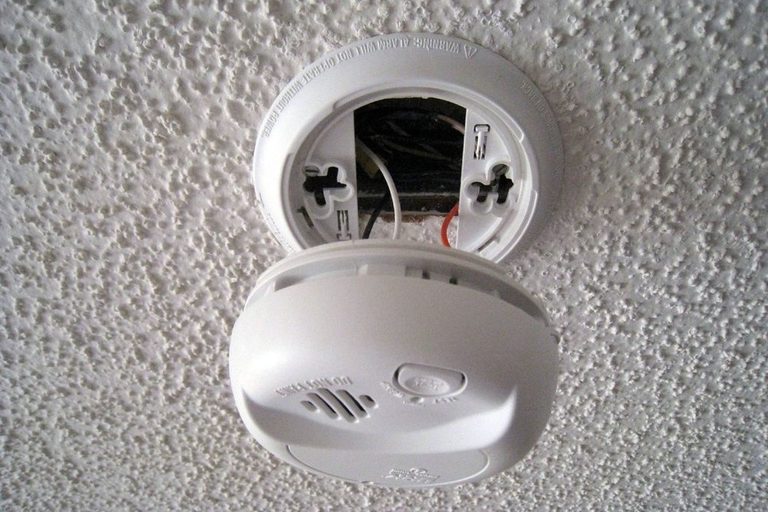
Test your CO alarms and learn what each beep means. This guide covers testing procedures, sound patterns, when to replace units, and safety steps.
A 10-minute check for Halloween and holiday lights: safety labels, outdoor-rated cords, GFCI outlets, overloaded circuits and the warning signs of a cord about to fail.
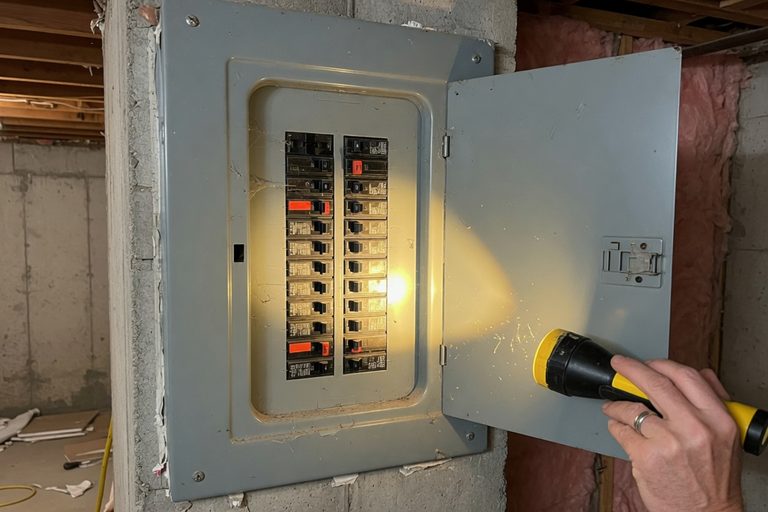
What to look for on your electrical panel without taking the cover off: the brands electricians worry about, scorch marks, rust, double taps, and when to call an electrician.
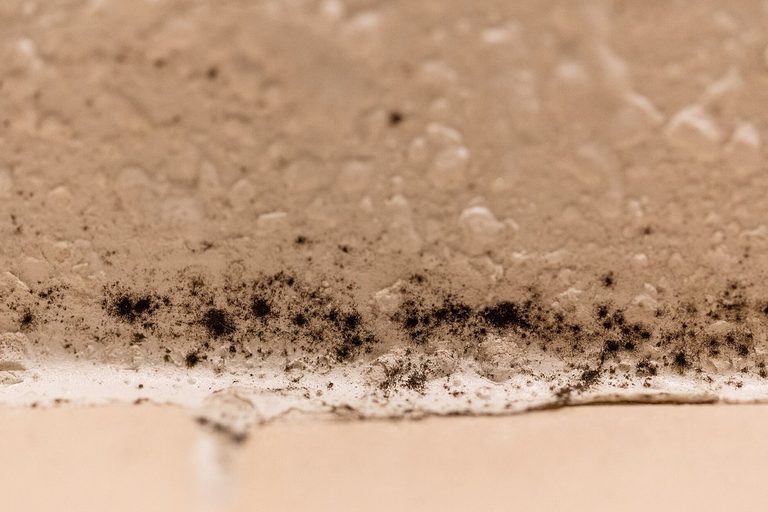
Mildew is the gray film on the shower grout. Mold can be a sign of a hidden water problem. How to tell them apart, what you can clean yourself, and when to…
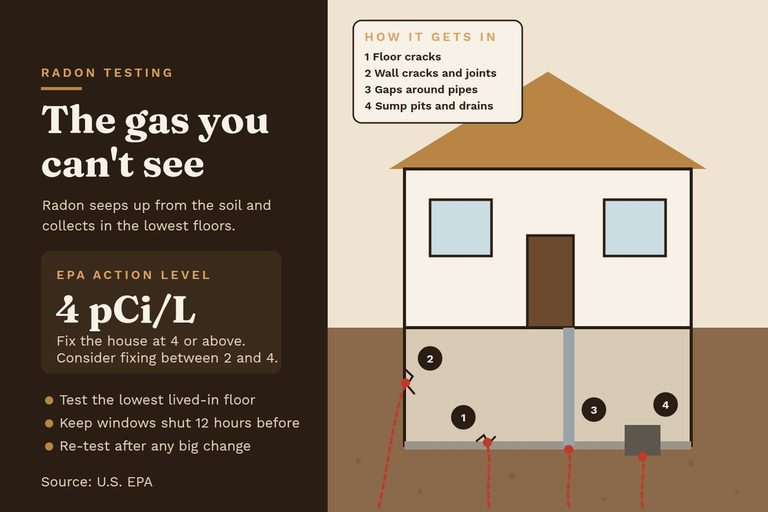
Radon is an invisible gas from the soil and a leading cause of lung cancer. How to test your house yourself, what the EPA's 4 pCi/L action level means, and what fixing…
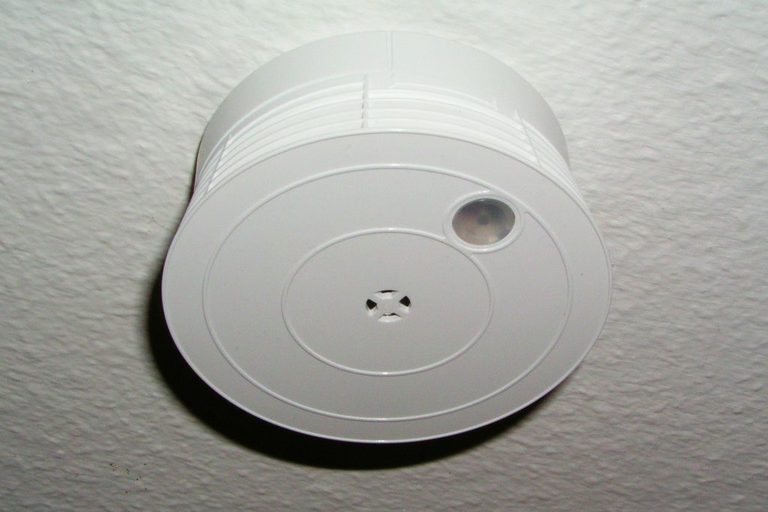
Smoke and carbon monoxide alarms only save lives if they work and they're in the right places. How to test them, where they belong, and when to replace them.