Safety
Water Heater Temperature: Why 120°F Is the Right Setting, and How to Check Yours
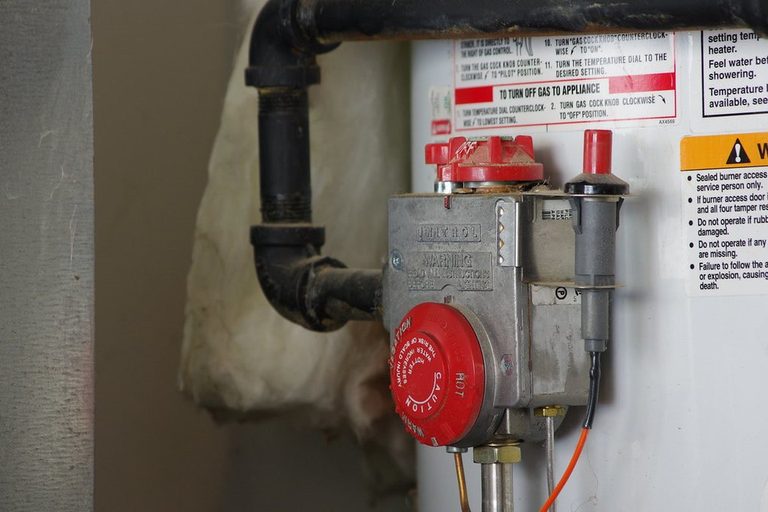
Why 120°F is the recommended water heater setting for safety and energy, and how to measure your tap temperature in about five minutes.
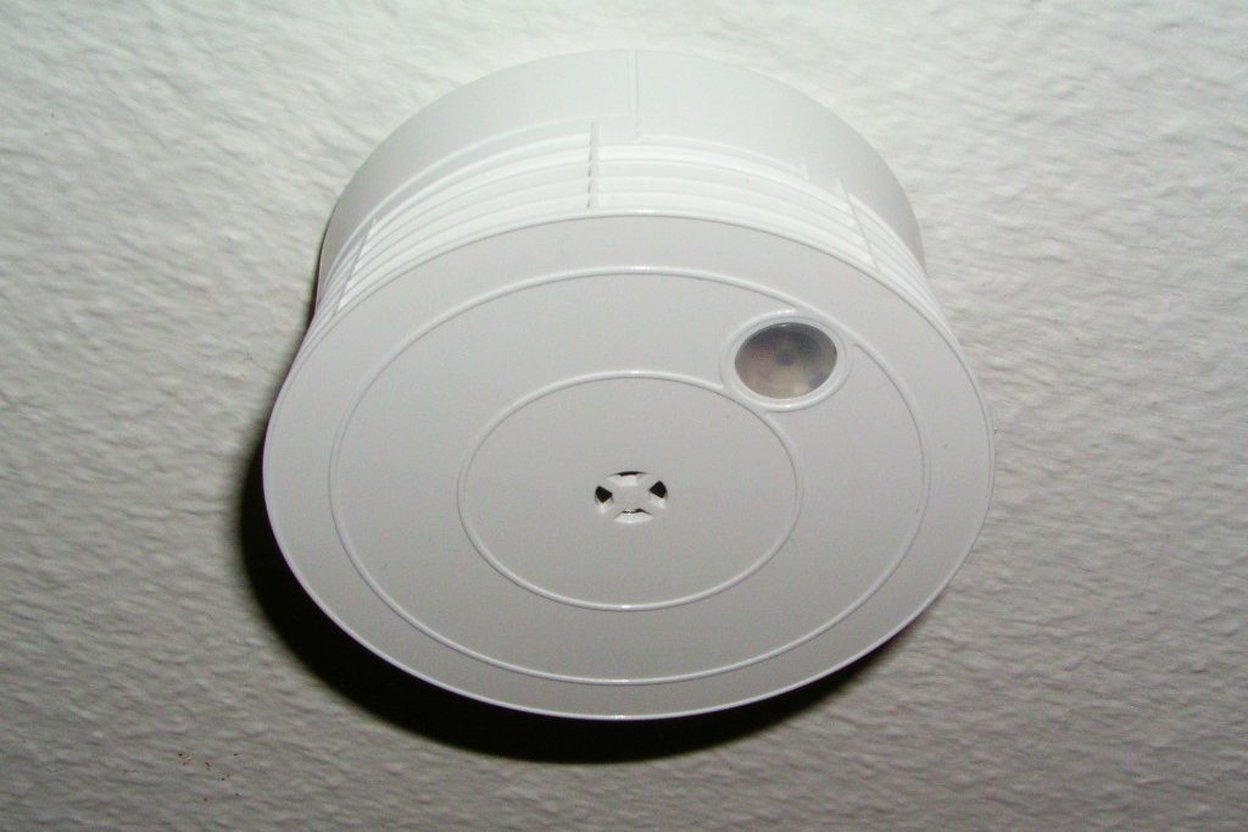
Smoke and carbon monoxide alarms only save lives if they work and they're in the right places. How to test them, where they belong, and when to replace them.
Home inspectors check smoke alarms in every house, and they find dead batteries, missing alarms and alarms older than the kids living there all the time. Here's how to make sure yours actually work.
The National Fire Protection Association recommends smoke alarms:
Mount them on the ceiling or high on a wall, following the manufacturer's instructions. Keep them away from kitchens and bathrooms, where cooking and steam cause false alarms.
Any home with fuel-burning appliances (furnace, water heater, stove, fireplace) or an attached garage needs CO alarms:
Combination smoke/CO alarms cover both.
Push the test button once a month. If it doesn't sound, replace the battery, and if that doesn't fix it, replace the alarm.
Alarms with replaceable batteries need new batteries at least once a year, or when they chirp. Many newer alarms have sealed 10-year batteries and are replaced as a whole unit.
In many newer homes, alarms are hardwired and interconnected: when one sounds, they all sound. That's the safest setup. Wireless interconnected alarms can add it to older homes.
Test monthly, change batteries yearly (or when the clocks change), replace by the date on the back. It's the cheapest safety job in the house.
It's on our fall home inspection checklist and chimney check too.
Photo: Heimrauchmelder by No machine-readable author provided. Nordelch assumed (based on copyright claims, CC BY-SA 3.0.
Why 120°F is the recommended water heater setting for safety and energy, and how to measure your tap temperature in about five minutes.
Test your CO alarms and learn what each beep means. This guide covers testing procedures, sound patterns, when to replace units, and safety steps.
A 10-minute check for Halloween and holiday lights: safety labels, outdoor-rated cords, GFCI outlets, overloaded circuits and the warning signs of a cord about to fail.