Inspection FAQ
Credit or repairs. What buyers are asking for after the report
Compare a repair credit, completed repairs, and a price cut after a home inspection, with loan limits and how to get terms in writing.
GFCIs prevent shocks. AFCIs prevent electrical fires. Where you should have them, how to test each one in a minute, and what it means when one won't reset.
Two small safety devices protect most modern homes from electrical shocks and fires, and they both have a test button that almost nobody presses. It takes about a minute to check each one, and the Electrical Safety Foundation International (ESFI) recommends doing it monthly.
GFCI (ground-fault circuit interrupter) protects people. It watches for electricity leaking out of the circuit, like through a person standing on a wet floor, and cuts the power in a fraction of a second. ESFI says GFCIs could prevent a large share of the home electrocutions that happen every year.
AFCI (arc-fault circuit interrupter) protects the house. It watches for arcing, the sparking that happens with damaged cords, loose connections, or a nail through a wire, and shuts off the circuit before it can start a fire.
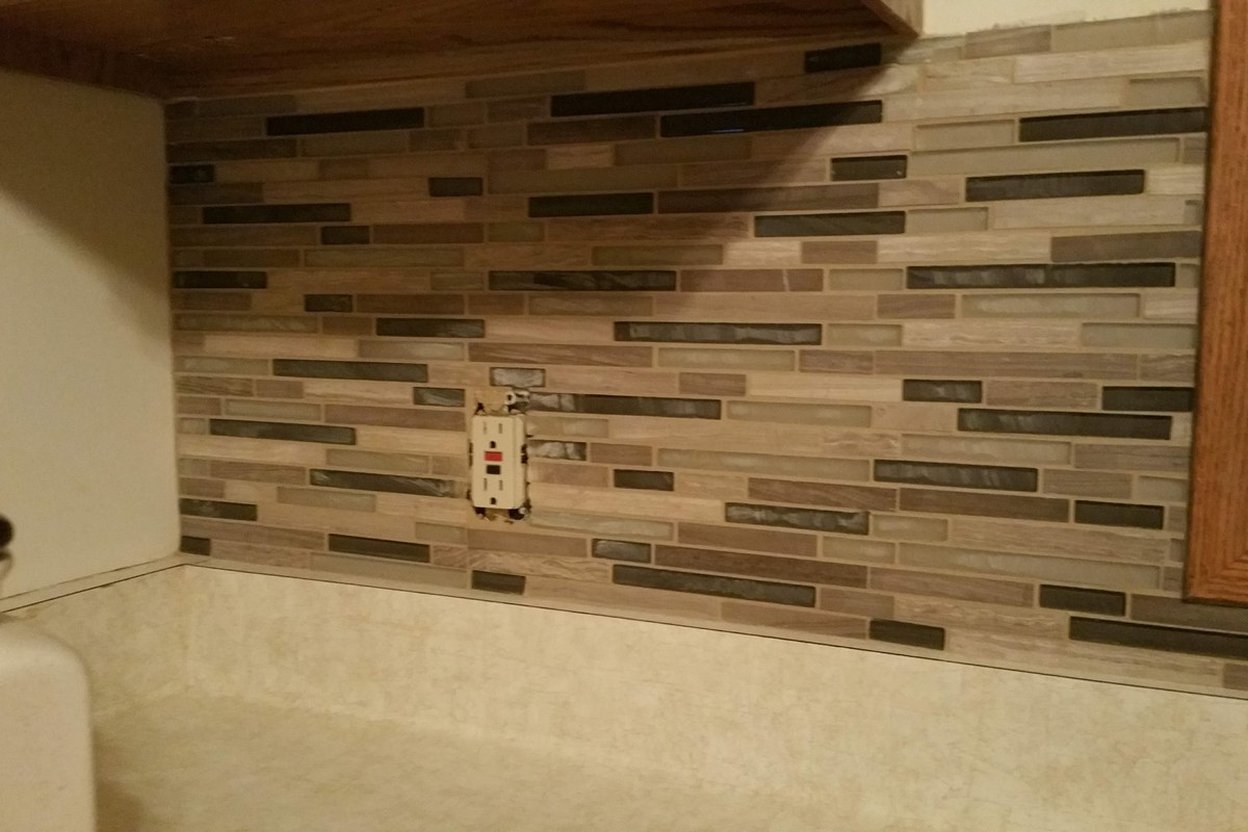
Anywhere water and electricity meet: kitchens (countertop outlets), bathrooms, laundry rooms, garages, unfinished basements, crawl spaces, outdoor outlets, and near sinks and wet bars. A GFCI can be the outlet itself (with TEST and RESET buttons) or a breaker in the panel that protects the whole circuit. One GFCI outlet can also protect other regular outlets downstream from it.
Older homes often have none, or only a few. Adding them is one of the cheapest safety upgrades there is.
Usually as breakers in your electrical panel, with a TEST button on the breaker. Newer homes have them on most living-area circuits: bedrooms, living rooms, hallways and more. Older homes may not have any.
If the light doesn't go out, the GFCI isn't protecting you. If it won't reset, the device may be bad, or there may be a problem in the circuit. Either way, get it replaced.
Test the outlets downstream too. If you trip a GFCI and another outlet down the wall also goes dead, that one's protected by it. That's how you find the mystery GFCI in the garage that's been killing the outdoor outlet.
This turns off everything on that circuit, so save it for a time when nobody's on the computer.
Space heaters, holiday lights and outdoor decorations all put extra load on circuits. Test your GFCIs and AFCIs before the decorations go up, and check our electrical panel red flags while you're at the panel.
Compare a repair credit, completed repairs, and a price cut after a home inspection, with loan limits and how to get terms in writing.
Learn why an inspection report is not a repair list, how to sort findings into repair, monitor, and evaluate, and make a focused request.
A thermal camera flags possible moisture, missing insulation, air leaks and hot wiring. Learn what a scan can and can't confirm, and what it costs.