Inspection FAQ
Credit or repairs. What buyers are asking for after the report
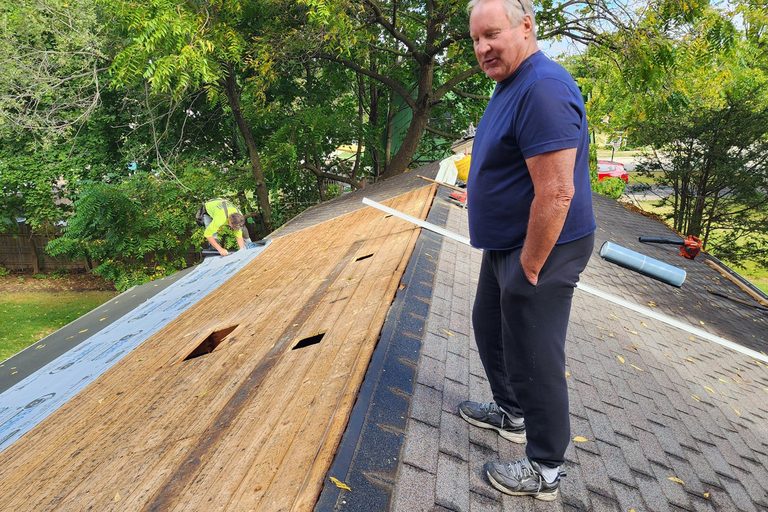
Compare a repair credit, completed repairs, and a price cut after a home inspection, with loan limits and how to get terms in writing.
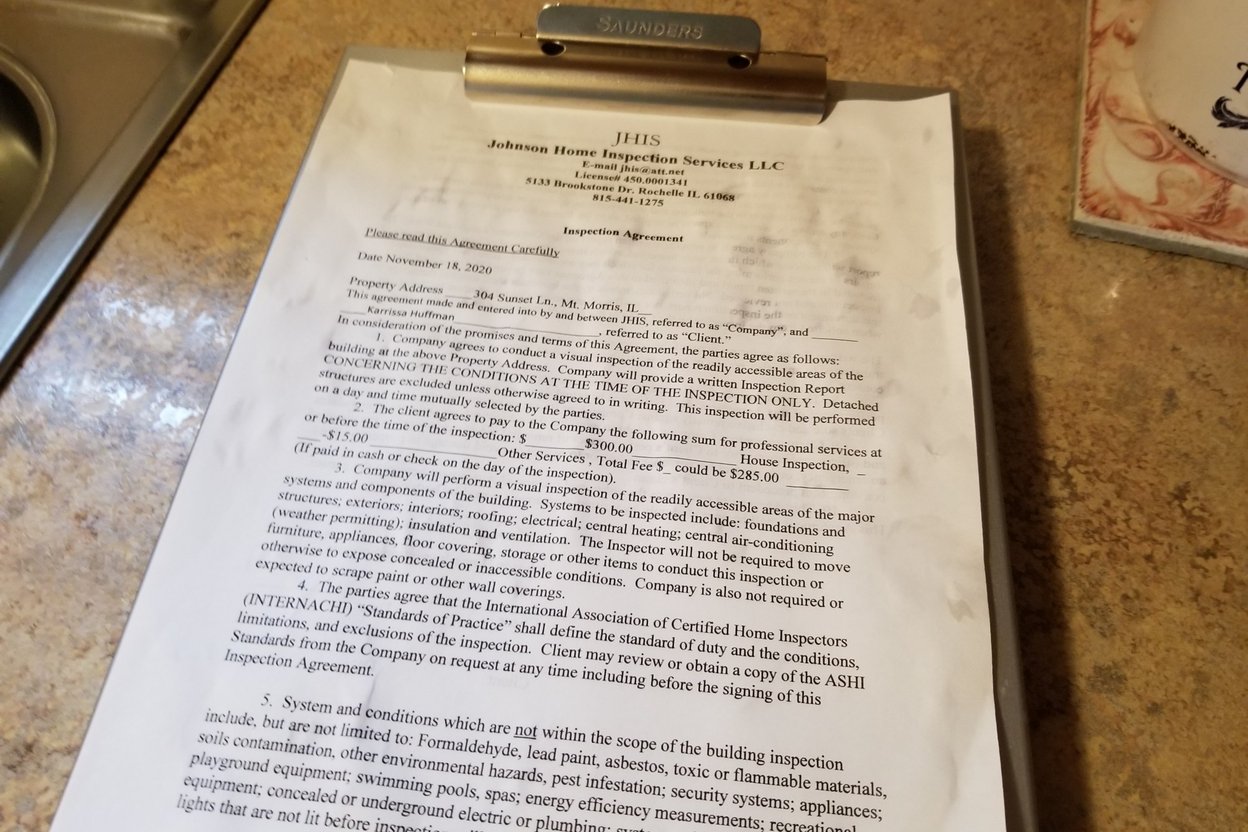
Learn why an inspection report is not a repair list, how to sort findings into repair, monitor, and evaluate, and make a focused request.
You may be holding a long inspection report while trying to decide what to ask the seller to fix. An inspection report records findings; it does not require the seller to make repairs. The report gives you information to evaluate and negotiate, while your purchase contract sets the parties’ obligations.
The details vary by state and contract. In Texas and North Carolina, you can request repairs, but the seller does not have to agree to them. Knowing which findings call for action helps you make a focused request.
**A home inspection report records what the inspector observed and judged significant on the inspection date; it does not establish a list of repairs the seller owes you.** Under the InterNACHI standard, the report identifies defects the inspector observed and deemed material. The ASHI standard calls for listing systems and components that are malfunctioning, significantly deficient, unsafe, or near the end of their service lives.
Neither standard requires the seller to fix the listed findings. In Texas, the standard resale contract sells the property “As Is,” and the seller does not have to agree to repairs or a price reduction. In North Carolina, you can request repairs, but the seller has no obligation to make them.
The report serves as evidence for a negotiation, not an invoice. A finding can be important to your decision even when the contract leaves the seller free to decline your request. Check the contract terms and deadlines that apply to your transaction before making a decision.
Inspection standards set boundaries for what belongs in a report and how findings are described. InterNACHI defines a material defect as an issue that may significantly affect property value or create an unreasonable risk to people. A component near or past the end of its useful life does not qualify as a material defect on age alone.
ASHI pairs each finding with a recommendation to correct it, monitor it, or have it evaluated further. North Carolina licensing rules require the report to describe how a condition is defective, explain its significance, and direct you toward repair, monitoring, or specialist evaluation. Texas defines a deficiency as a condition that, in the inspector’s reasonable judgment, materially affects a system’s performance or creates a hazard to life, limb, or property. The Texas deficiency rule sets out that standard.
Look for the action words in your report: repair, monitor, and evaluate. Repair points to a condition the inspector recommends correcting. Monitor means keeping an eye on it; evaluate signals that a specialist or further assessment may be needed. Prioritize repair and evaluate findings when deciding what needs follow-up.
A home inspection gives you a limited view of the property, so the report does not promise to uncover every problem or answer every technical question. InterNACHI, ASHI, and North Carolina describe inspections as non-exhaustive; InterNACHI also excludes concealed or latent defects. Texas calls its inspection a limited visual survey and basic performance evaluation. North Carolina’s standards of practice set out its reporting requirements.
The inspection is not a code-compliance review. InterNACHI, ASHI, North Carolina, and Texas do not require inspectors to judge whether the home complies with building codes. North Carolina requires an inspector who identifies a code violation to use the code in effect when that part of the home was built and attach the relevant code sections.
These standards do not require repair-cost estimates. Texas inspectors also are not required to provide repair recommendations or designate conditions as safe. Your report therefore will not tell you what a repair will cost. Ask a contractor for an estimate when you need a price to guide a repair request.
In Texas, your rights come from the contract and its deadlines, not from the number of findings in the inspection report. TREC’s One to Four Family Residential Contract (Resale), form 20-19, took effect July 1, 2026, and is mandatory after that date.
During the option period, you have an unrestricted right to terminate. The option fee is not refunded, while your earnest money is. Paragraph 7D defines “As Is” and tells the parties not to use general language such as “subject to inspections.” Accepting the property As Is still allows you to inspect, negotiate repairs through an amendment, or terminate during the option period.
Under paragraph 7E, neither party has to pay for repairs required by your lender. If those repairs exceed 5% of the sales price, you have the right to terminate. Track your option-period deadline carefully and make any decision within the time allowed by your contract.
North Carolina’s standard Form 2-T gives you the right to terminate for any reason during the due diligence period. Your earnest money typically comes back if you terminate within that period, while the due diligence fee does not. The North Carolina Real Estate Commission’s due diligence guidance explains the process.
Repairs are negotiable. Paragraph 4(d) says the property is sold in its current condition, without an obligation for the seller to repair. Any repair agreement must be in writing using Form 310-T, and closing counts as your acceptance of the property in its then-existing condition.
North Carolina also requires a summary page with the inspection report. The page tells you that the summary is not the full report and directs you to your agent or an attorney for advice about what you can negotiate under the contract. Read the complete report and put any repair agreement in writing before closing.
A focused repair request starts with the report’s action words and ends with written terms. Use this sequence to decide what to raise:
Compare a repair credit, completed repairs, and a price cut after a home inspection, with loan limits and how to get terms in writing.
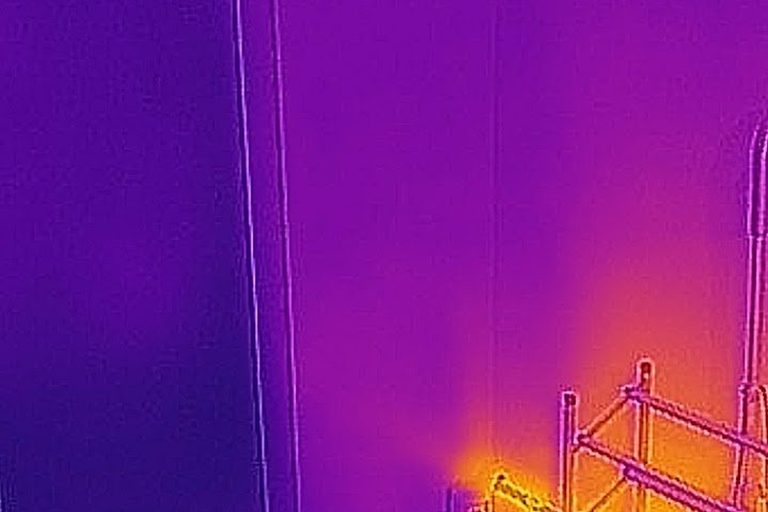
A thermal camera flags possible moisture, missing insulation, air leaks and hot wiring. Learn what a scan can and can't confirm, and what it costs.
An October inspection runs the heat only briefly. Learn what it misses, what to check in your first cold week, and when to call an HVAC pro.