Inspection FAQ
Credit or repairs. What buyers are asking for after the report
Compare a repair credit, completed repairs, and a price cut after a home inspection, with loan limits and how to get terms in writing.

Every inspection report looks scary. Most of it isn't. How to sort the findings into safety, big-ticket, and maintenance, what 'further evaluation' really means, and how to use the report in negotiations.
You get the report back and it's 40 pages long, full of photos, red flags and words like "deficiency." It's easy to panic. Don't. Every house has a list, even brand-new ones. The trick is knowing which items matter.
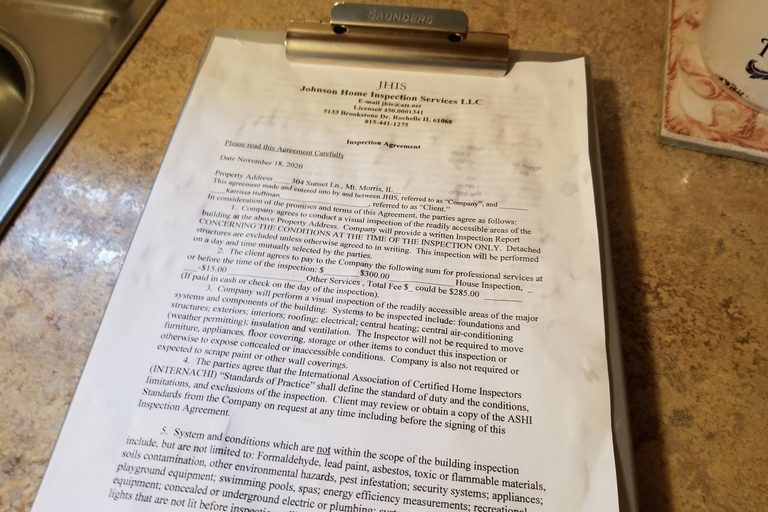
A home inspection is a visual check of the house's major systems and structure on one day. It isn't:
Most inspectors follow a standard of practice and report what they see. Many items in the report are routine.
Go through the report with a highlighter, or make a list:
Fix these no matter what. Examples:
The expensive stuff. These are what you negotiate over:
Items that aren't urgent but will need attention in the next few years: an aging water heater, a roof with a few years left, worn caulking.
Most of the report: loose door handles, a dripping faucet, a missing downspout extension, peeling paint. These are normal homeowner chores.
When the inspector writes "recommend evaluation by a licensed electrician (or roofer, plumber, structural engineer)," it means they saw something outside their scope. Take it seriously, and get the specialist out before your inspection contingency runs out. A sewer camera inspection, an HVAC check or a structural engineer's report can turn a vague concern into a real number.
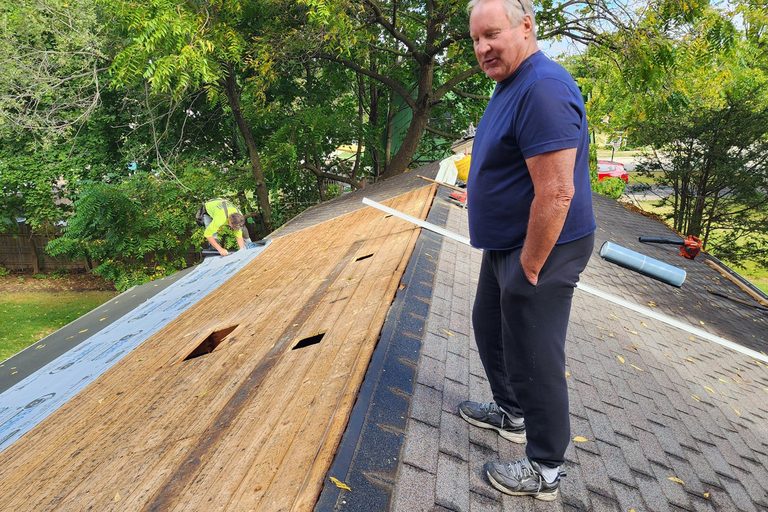
Many reports list the age of the roof, furnace, AC and water heater. Old isn't the same as broken, but it tells you what to budget for. A 20-year-old furnace might work fine for years, or quit next winter.
Use the report to ask for:
Focus on the safety and big-ticket items. Asking the seller to fix every small item rarely goes well. Get repair quotes so your requests have real numbers. See the inspection contingency.
Most inspectors are glad to walk you through the report.
Keep the report. It's a to-do list and a maintenance guide for your first few years. Start with the safety items, then plan the big ones.
For more, see what goes into a comprehensive home inspection report.
Photo: FEMA - 32429 - FEMA inspector inside an Ohio home. by John Ficara, Public domain.
Compare a repair credit, completed repairs, and a price cut after a home inspection, with loan limits and how to get terms in writing.
Learn why an inspection report is not a repair list, how to sort findings into repair, monitor, and evaluate, and make a focused request.
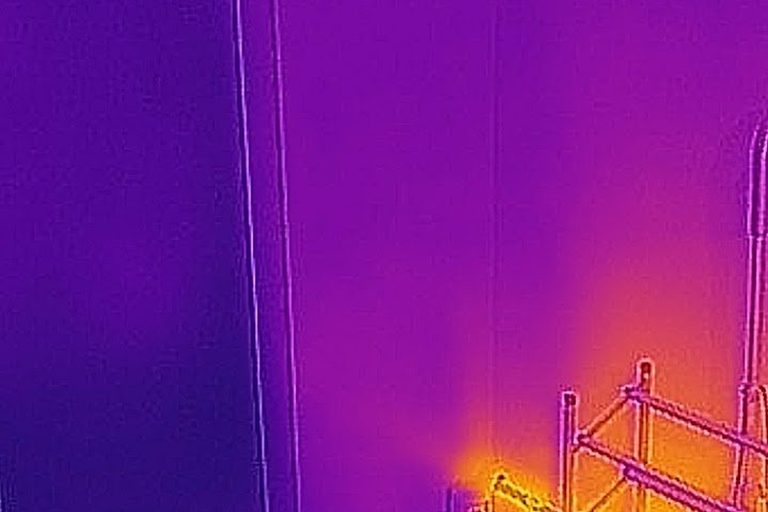
A thermal camera flags possible moisture, missing insulation, air leaks and hot wiring. Learn what a scan can and can't confirm, and what it costs.