Inspection FAQ
Credit or repairs. What buyers are asking for after the report
Compare a repair credit, completed repairs, and a price cut after a home inspection, with loan limits and how to get terms in writing.
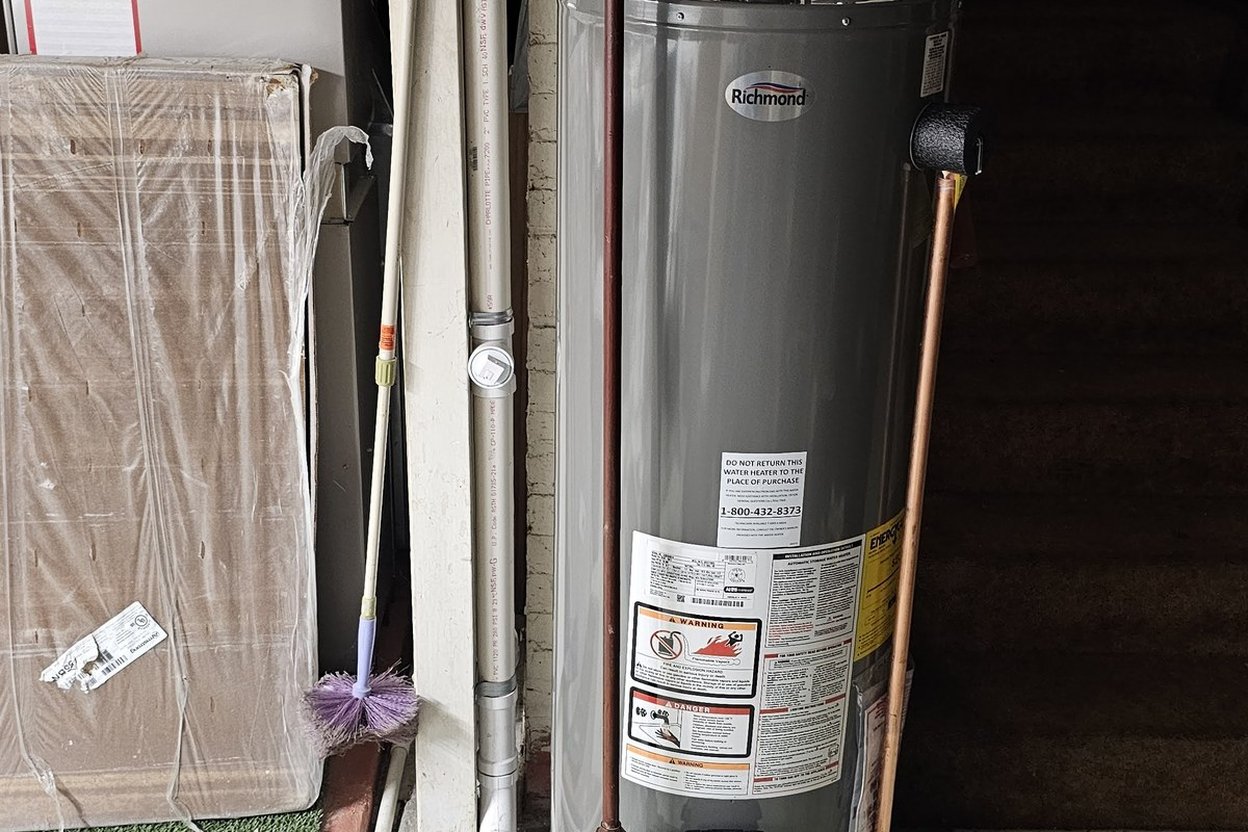
A five-minute look at your tank water heater before winter: how to tell its age, what rust and puddles mean, how to test the relief valve, and when to start saving for a new one.
Your water heater works harder in winter. The water coming in from the street is colder, showers get longer, and the tank runs more often. That makes fall the best time to give it a five-minute look, before it quits on the coldest morning of the year.
Most tank water heaters last somewhere around 10 to 15 years. Hard water and skipped maintenance push that toward the low end.
The age is hidden in the serial number on the label. Most brands put the year and month in the first few characters, but every brand does it a little differently. Search the brand name plus "serial number date" and you'll find a decoder. Write the date on the tank with a marker so you never have to look it up again.
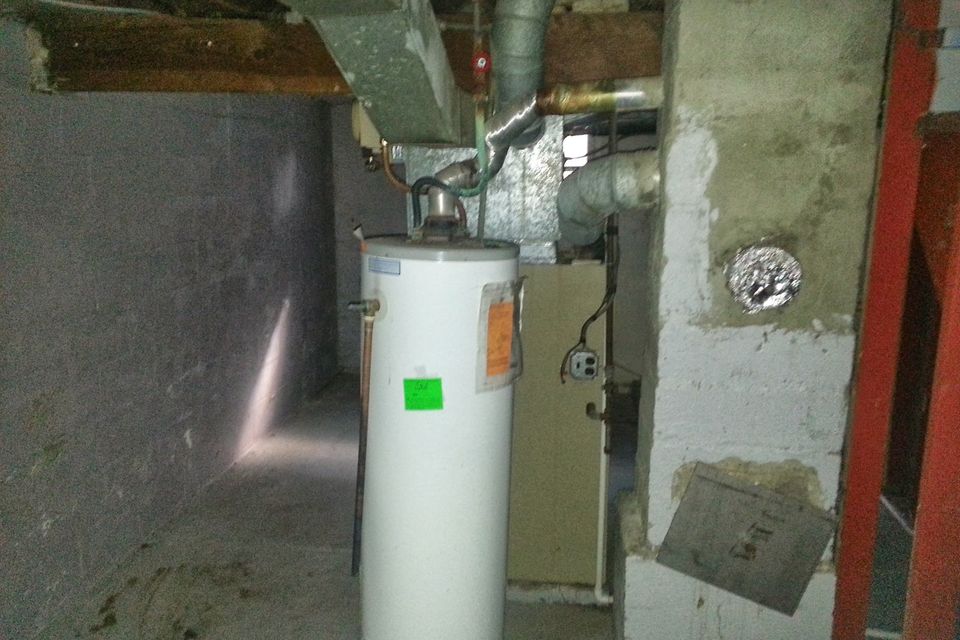
If the tank is past 10 years, it doesn't need replacing tomorrow. But it's time to start watching it closely and budgeting for a new one, so a failure doesn't turn into an emergency purchase.
The temperature and pressure relief valve (T&P valve) is the brass valve with a lever, usually on the top or side of the tank. If the tank ever overheats or builds too much pressure, this valve opens so the tank doesn't. It's one of the most important safety parts in the house, and most people never touch it.
If nothing comes out, or it keeps dripping after you let go, the valve needs replacing. That's an inexpensive part, but call a plumber if you aren't comfortable with it.
Also look at the discharge pipe itself. It should run down to within about 6 inches of the floor, and nothing should be capping it, plugging it, or shrinking it down to a smaller pipe.
Minerals settle to the bottom of the tank, where they make the burner work harder and shorten the tank's life. Once a year, turn off the power or set the gas to "pilot," hook a hose to the drain valve, and run water out until it comes out clear. On an old tank that has never been flushed, go easy: sometimes the drain valve clogs or won't close again.
120°F is the usual recommendation. It's hot enough for most households, it cuts the risk of scalding, and it slows mineral buildup. Many tanks come from the factory set higher.
Water leaking from the tank itself, a gas smell, a relief valve that has been discharging on its own, or a vent pipe that's come apart all need a plumber now, not in the spring.
A water heater is one of the first things a home inspector looks at, and it's on our fall home inspection checklist for the same reason. While you're in the basement, check the furnace too.
Compare a repair credit, completed repairs, and a price cut after a home inspection, with loan limits and how to get terms in writing.
Learn why an inspection report is not a repair list, how to sort findings into repair, monitor, and evaluate, and make a focused request.
A thermal camera flags possible moisture, missing insulation, air leaks and hot wiring. Learn what a scan can and can't confirm, and what it costs.