The worst time to find out your furnace doesn't work is the first cold night, when every HVAC company in town is booked for a week. A quick check in early fall catches most problems while you still have time.
Here's what a homeowner can safely check, and what to leave to a licensed technician. Don't open the burner compartment or work on gas lines or wiring yourself.
011. Turn it on now
Set the thermostat a few degrees above room temperature and listen. Within a few minutes you should hear the furnace start and feel warm air at the registers. A dusty smell the first time is normal; it's dust burning off. A smell that doesn't go away, or any smell of gas, is not. If you smell gas, leave the house and call the gas company from outside.
022. Change the filter
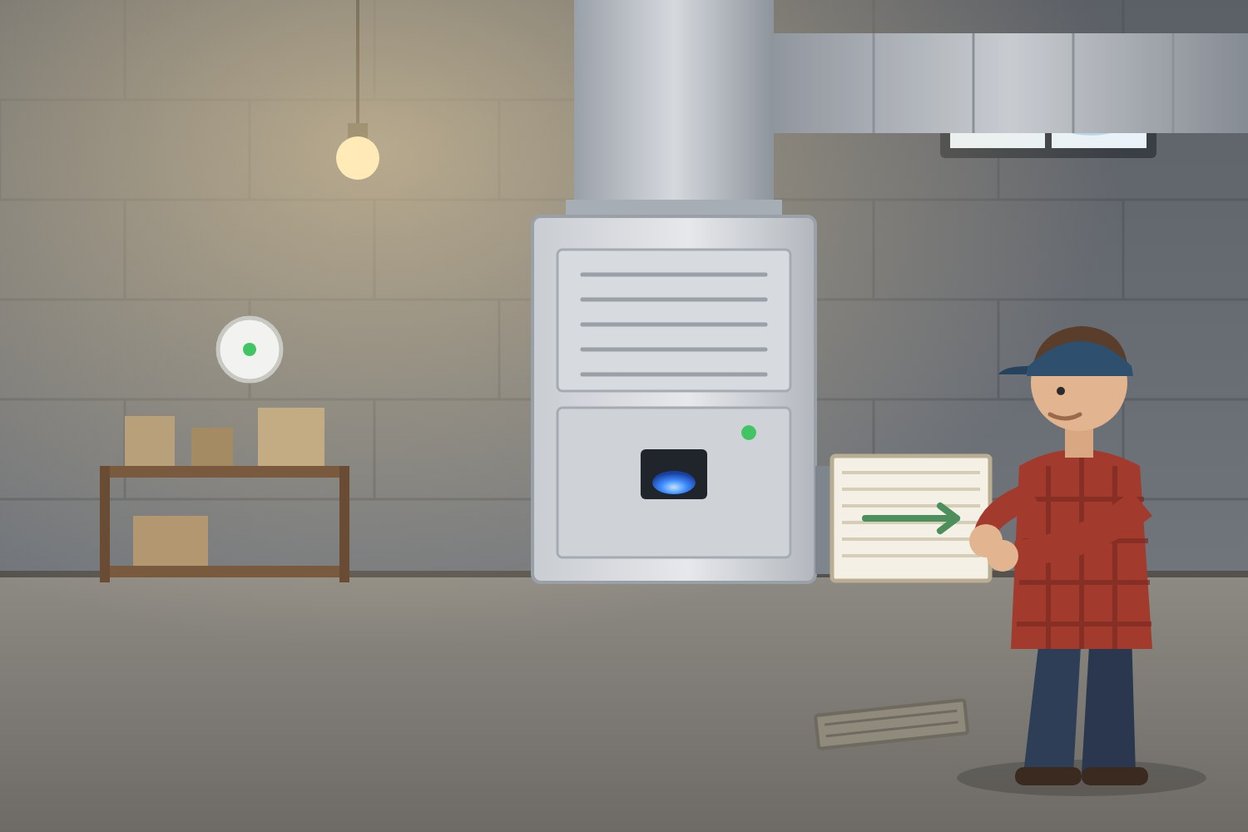
A dirty filter is the most common cause of a furnace that runs poorly or shuts itself off. Find the filter slot (usually where the return duct meets the furnace), note the size printed on the old filter, and the arrow showing which way air flows. Replace it with the same size, arrow pointing toward the furnace. Most 1-inch filters need changing every one to three months during heating season.
033. Check the thermostat
Replace thermostat batteries if it has them. Make sure it's set to heat and the schedule makes sense for winter. If the screen is blank or it won't call for heat, that's a thermostat or wiring issue for a pro.
044. Walk the vents
Open every supply register and make sure furniture, rugs and curtains aren't blocking them. Check the big return-air grilles too. A furnace that can't pull air in works harder and wears out sooner.
055. Clear the area around the furnace
Keep at least a few feet of clear space around the unit. No paint cans, gas cans, cleaning products, laundry piles or boxes against it. A furnace room is not a storage room.
066. High-efficiency furnace? Check the condensate line and vent pipes
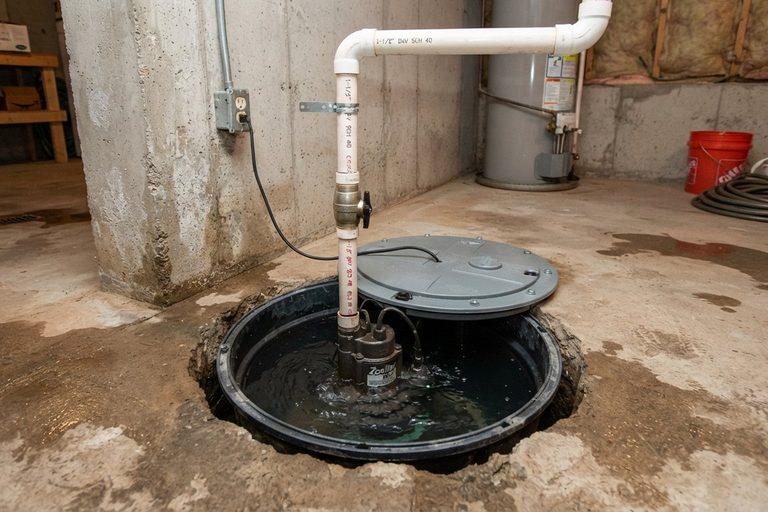
Newer high-efficiency furnaces make water and drain it through a small plastic line to a floor drain or a pump. Make sure that line isn't kinked or clogged and that any condensate pump runs when you pour a little water in its tank. Outside, the white plastic intake and exhaust pipes must be clear of leaves, nests, and later, snow drifts. A blocked pipe will shut the furnace down.
077. Look at the flame (through the window only)
Many gas furnaces have a small viewing window. A healthy flame is mostly steady and blue. A flame that's mostly yellow, flickering or lifting off the burner can mean a combustion problem. Don't open anything; call a technician.
088. Test your carbon monoxide alarms
Any fuel-burning furnace can produce carbon monoxide if something goes wrong. Test every CO alarm, replace the batteries, and check the date. You should have one on every level of the home with sleeping areas and near the bedrooms.
09Signs it's time to call a pro
- Gas smell (leave first, then call)
- Yellow, flickering flame
- Soot or scorch marks around the furnace
- Short cycling: the furnace turns on and off every few minutes
- Banging, screeching or rattling noises
- Some rooms hot, others cold, after you've checked the vents
- Your CO alarm goes off: get everyone out and call 911
10A yearly tune-up is still worth it
A homeowner check catches the easy stuff. A professional tune-up once a year checks the heat exchanger, burners, ignition, safety switches and gas pressure, things you shouldn't try. Schedule it early in the fall before the rush.
This is one of 20 items on our fall home inspection checklist.
Related: Attic Pests in Fall: Signs of Squirrels, Raccoons and Bats