When you notice an earthy smell from the crawl space or the floors above it, it means moisture has built up enough to support mold growth, often out of sight. Before you close vents or seal the space for winter, find out whether that moisture is leftover from summer or coming from an active leak or drainage problem.
A flashlight, two inexpensive meters, and a few targeted checks can help you identify what needs attention and whether a crawl-space specialist should take over.
01What the smell is telling you
A musty or earthy crawl-space smell points to moisture high enough for mold to grow, often on surfaces you cannot see. In humid and mixed-humid climates, crawl-space wood is wettest after summer and tends to dry in fall and winter. An October smell suggests moisture left over from summer or a source that is still adding water, so identify the cause before closing anything.
Mold can grow on wood, insulation, and other materials where moisture persists. The U.S. Environmental Protection Agency’s guide to mold, moisture, and your home explains why controlling moisture is central to preventing mold growth.
The smell alone does not locate the problem. Check for wet soil, a plumbing drip, water entering at the foundation, or condensation on ducts and pipes. If the crawl space smells musty while the floor above carries the odor, leaky return ducts can pull crawl-space air into the house.
02A 20-minute crawl space check
Use a flashlight and moisture meters to look for standing water, condensation, and damp wood, then check outside for drainage problems. Wear protective gear before entering or disturbing material that could contain mold; NC State’s mold and moisture checklist recommends EPA-recommended protective equipment.
Bring a hygrometer to measure relative humidity and a pin-type wood moisture meter to check framing. Avoid touching or moving suspect mold. If conditions make entry unsafe, stay out and call a qualified professional.
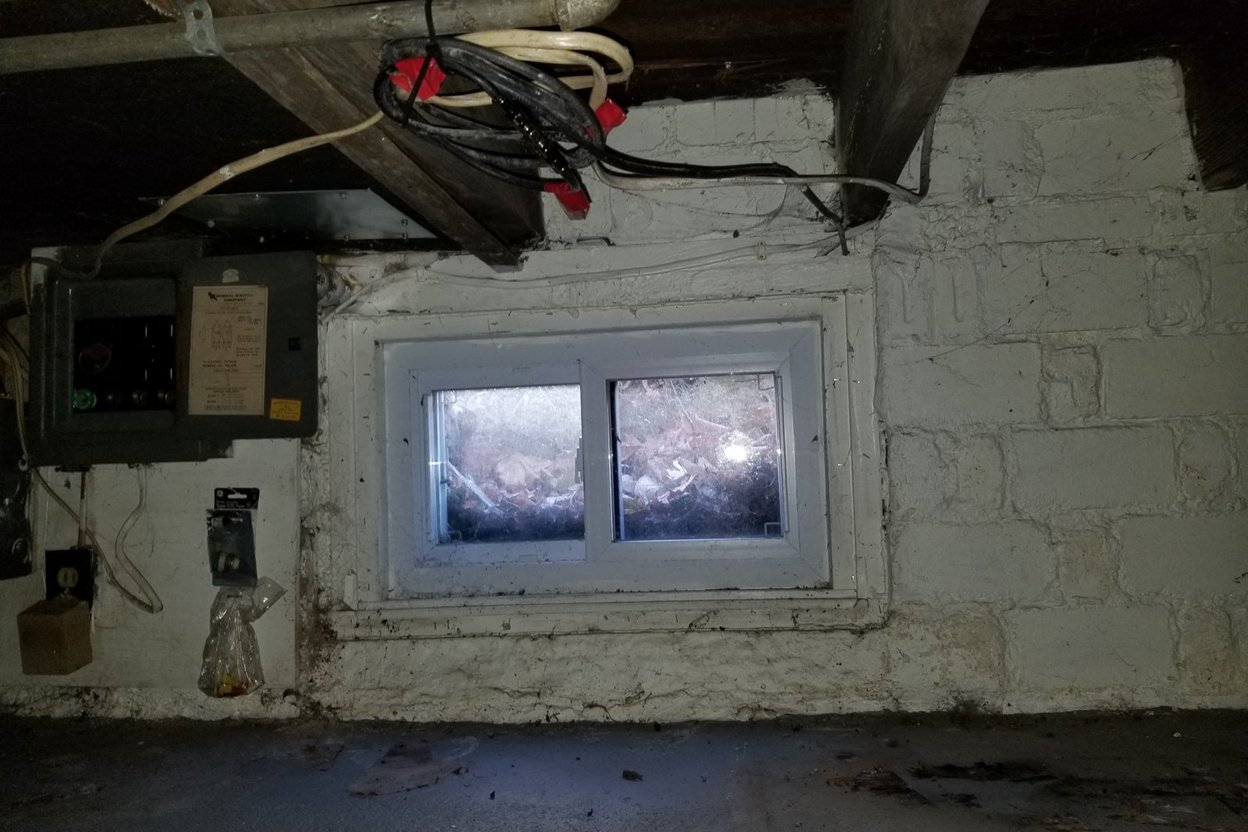
Inside, scan the ground cover first. Check whether plastic covers all exposed soil, whether water is sitting on top of it, and whether any soil is visibly wet. Look up at ducts and pipes for condensation, then inspect foundation walls for water stains or white, crusty deposits called efflorescence. Check accessible plumbing for drips.
Look for a dryer vent that ends inside the crawl space. It releases warm, moist air into an area where that moisture can collect. Also note the location of return ducts: a leaky return can draw crawl-space air into the home.
Outside, check that downspouts send water 6 to 10 feet away from the foundation and that the ground slopes away from the house. Make a note of each wet area and reading so you can compare results after repairs.
03Reading the numbers
Aim for crawl-space relative humidity below 60%, with 30% to 50% as the preferred range. Take readings at more than one location because humidity can vary across the space.
For wood, about 20% moisture content is a widely used concern line for mold and decay. A U.S. Department of Energy guide recommends investigating readings above 17%. The USDA Forest Products Laboratory’s wood moisture and decay guidance provides context for interpreting moisture conditions in building wood.
A well-run closed crawl space in one study stayed below 12% wood moisture. Treat a high reading as a reason to look for its source and recheck after correcting it; one measurement does not tell you whether the wood is drying or continuing to get wet.
04Should you close the vents for winter?
In cold climates, closing crawl-space vents for winter remains common advice for protecting pipes, with vents reopened in spring. Building research also shows that vented crawl spaces in humid climates can add moisture, while a properly sealed, unvented space performs better.
A sealed crawl space requires more than vent plugs. It needs a sealed ground vapor retarder plus a way to dry the space, such as an exhaust fan, conditioned air, or a dehumidifier. Never seal around a combustion appliance that draws air from the crawl space.
Code requirements vary with the locally adopted rules. The Building America guide to ventilated crawl spaces explains the performance concerns with crawl-space ventilation. Check local code before changing the vent arrangement, and have a qualified contractor assess any combustion appliance or planned conversion.
05Fixes, from cheap to big, and what they cost
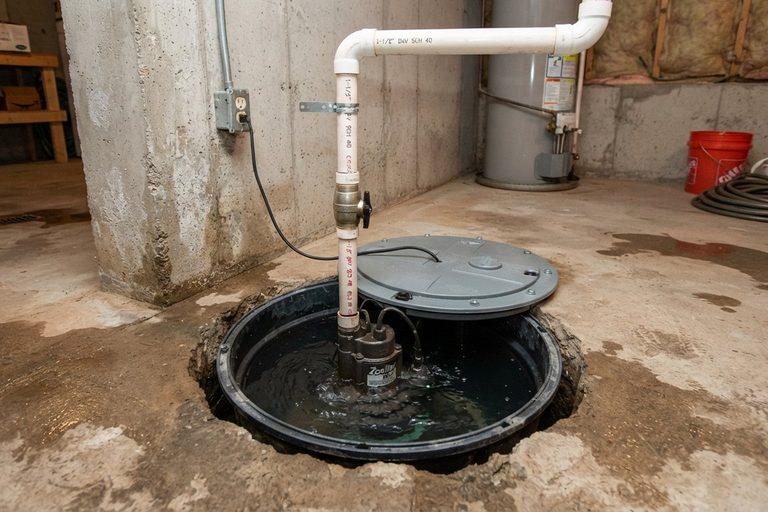
Stop water at its source first, then choose a moisture-control fix that fits the condition of the crawl space. Repair plumbing drips, redirect downspouts, and correct grading before relying on a dehumidifier or sealing project.
A 6-mil plastic ground cover is a lower-cost starting point when soil is exposed. A dehumidifier adds active moisture removal. Full encapsulation costs more because it involves sealing the crawl-space floor and walls and addressing how the space will be dried.
For 2026 planning, a basic vapor barrier commonly costs about $1,000 to $4,000; a crawl-space dehumidifier installation runs about $1,500 to $3,500; and encapsulation can range from roughly $5,000 to $15,000. The final price depends on crawl-space size, site conditions, and the work needed to control water.
For mold cleanup, a DIY-sized patch is under about 10 square feet. Larger areas call for a professional. Fix the moisture source before cleanup, or the growth can return.
06For buyers: what the inspection report will and won't tell you
A standard home inspection report can flag wood touching soil and active water penetration, but inspection standards exclude mold. A clean report therefore does not rule out a musty odor or mold growth inside concealed areas.
In Georgia, wood-destroying-organism reports can flag “insufficient ventilation,” as described in the state’s crawl-space ventilation guidance. If you smell must or see moisture notes, ask the inspector for moisture readings and the locations checked.
When the odor persists or readings are elevated, request an evaluation from a crawl-space or moisture specialist before closing.
Sources (5)