Inspection FAQ
Credit or repairs. What buyers are asking for after the report
Compare a repair credit, completed repairs, and a price cut after a home inspection, with loan limits and how to get terms in writing.
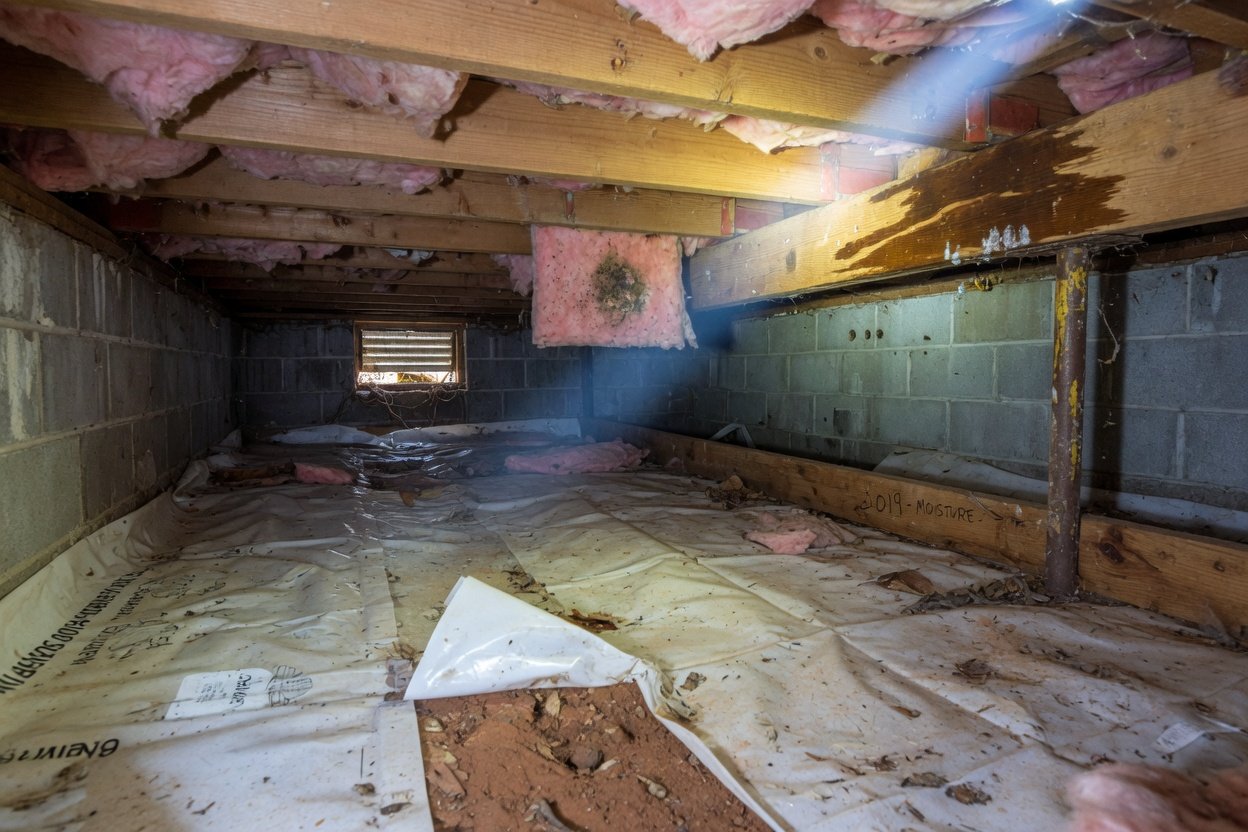
A damp crawl space can cause musty smells, mold and wet windows upstairs. What to look for down there before winter: standing water, the vapor barrier, wood rot, insulation and critters.
The crawl space is the part of the house most people never see, and it's often where a house's moisture problems start. Air from a crawl space rises into the living space above it. If the crawl space is damp, you can end up with musty smells, mildew on the walls, wet windows and damp attic insulation, all from something going on under your feet.
Fall is a good time to look, before the ground freezes and the critters move in for the winter.
Water. Standing water, mud, or water marks on the foundation walls. White, chalky deposits on the block or concrete (called efflorescence) mean water has been moving through it. Check after a heavy rain if you can.
The vapor barrier. The ground should be covered with a plastic sheet, usually at least 6 mil thick, with the seams overlapped and ideally taped, and turned up the walls a bit. Look for torn, missing or bunched-up sections, and puddles on top of the plastic.
The wood. Shine the light on the floor joists, beams and the subfloor overhead. Look for dark stains, white or fuzzy mold growth, and soft spots. Push a screwdriver into anything suspicious. Look closely at the wood around plumbing, under the bathroom, and near the outside walls.
Termite tubes. Pencil-width mud tubes running up the foundation walls or piers are termite highways. Call a pest control company.
Insulation. If there's fiberglass insulation between the floor joists, it should be up tight against the subfloor. Insulation that's sagging, falling down, or soaking wet isn't doing anything, and wet insulation holds moisture against the wood.
Pipes and ducts. Look for drips, condensation, and duct sections that have come apart. A disconnected duct dumps heated air into the crawl space all winter.
Critters. Droppings, nests, chewed insulation, or holes in the foundation vents. Fall is when mice and other animals look for a warm place to spend the winter.
Vents. Older crawl spaces have vents in the foundation walls. Make sure the screens are intact. Whether they should be open or closed depends on your climate and how your crawl space is built; many newer crawl spaces are sealed with no vents at all.
A little dampness is common. Persistent water, mold on the wood, rot, or torn-up vapor barrier are worth fixing. The fixes range from cheap (re-laying the plastic, fixing gutters and grading so water runs away from the house) to bigger jobs (drainage, a sump pump, or fully sealing and conditioning the crawl space). Start with the gutters and downspouts, because they're often the source.
The EPA's guide to mold is a good plain-language read on why moisture matters. If you have a sump pump down there, test it before you need it. And if you're buying a house with a crawl space, it's one more reason to have a real inspector go down there, since virtual inspections can't.
Compare a repair credit, completed repairs, and a price cut after a home inspection, with loan limits and how to get terms in writing.
Learn why an inspection report is not a repair list, how to sort findings into repair, monitor, and evaluate, and make a focused request.
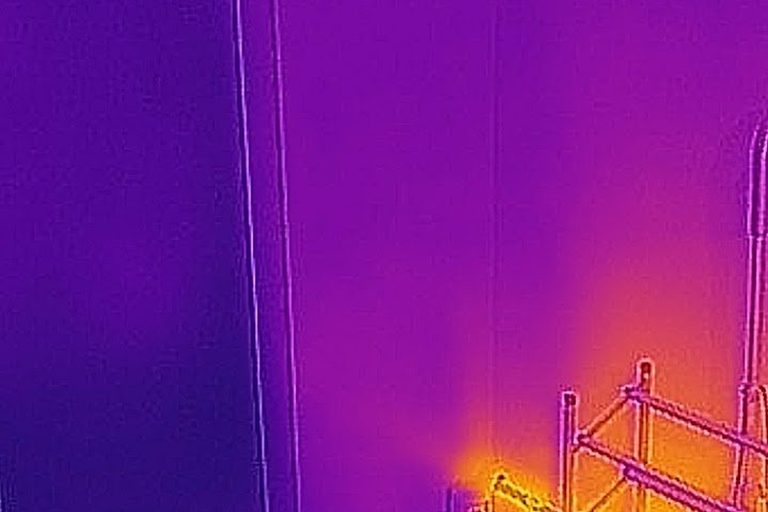
A thermal camera flags possible moisture, missing insulation, air leaks and hot wiring. Learn what a scan can and can't confirm, and what it costs.