Most homeowners never go in the attic. Home inspectors always do, because it tells the story of the whole house: how well it holds heat, whether the roof leaks, whether moisture or animals are a problem. Fall is the right time for your own look, before winter.
01Safety first
- Step only on the joists or on boards laid across them. The ceiling drywall below won't hold you.
- Wear a dust mask, long sleeves and gloves. Insulation is itchy and dusty.
- Bring a good flashlight and watch your head on roofing nails.
- If you see vermiculite (gray-brown, pebbly, light insulation), don't disturb it. Some older vermiculite contains asbestos. Have it tested by a professional.
- Don't go up in summer heat.
021. Insulation depth
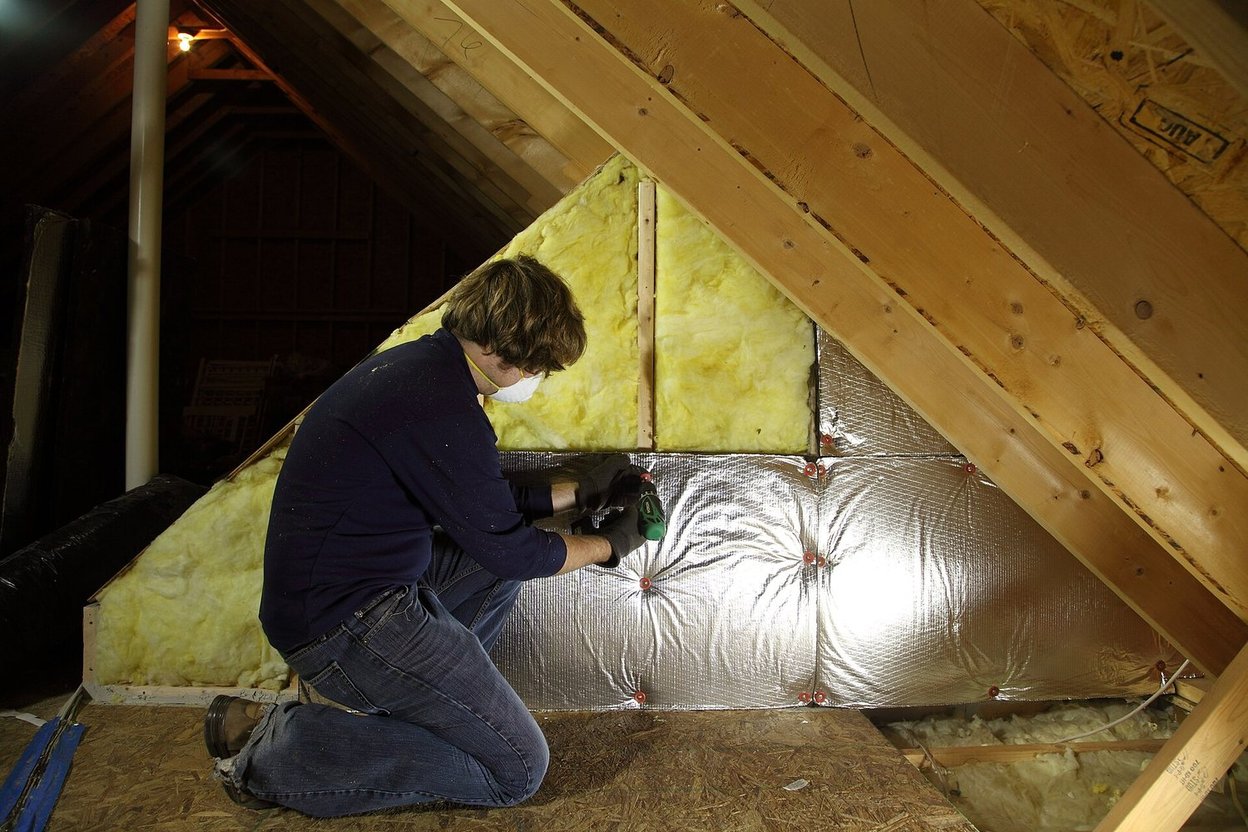
Measure how deep it is with a ruler. For attics in cold-winter climates, ENERGY STAR guidance generally calls for a lot of insulation, roughly in the R-49 to R-60 range, which is well over a foot of loose-fill. If you can see the tops of the joists, you probably don't have enough.
Look for gaps and thin spots, often near the edges and around the attic hatch, and insulation that's been packed down or pushed around by contractors or animals.
032. Air leaks
Warm, moist air leaking up from the house wastes heat and causes ice dams and moisture. Look for:
- Dirty, dark spots in the insulation, a sign air is moving through it like a filter
- Gaps around plumbing vents, light fixtures, the chimney, wires and the attic hatch
Sealing these with the right materials (fire-rated where needed, around chimneys and flues) is one of the best-value energy fixes there is.
043. Ventilation
Most attics are designed with intake vents at the eaves (soffit vents) and exhaust near the peak (ridge or roof vents). Check that:
- Soffit vents aren't blocked by insulation. Baffles keep the path open.
- Bathroom and kitchen fans vent outside, not into the attic. Fans dumping moist air into the attic are a very common inspection finding.
054. Moisture and mold
Look at the underside of the roof sheathing: dark stains, frost in winter, or rusty nails point to moisture problems, usually from air leaks or poor ventilation.
065. Roof leaks
Look for water stains on the sheathing and rafters, especially around the chimney, vents and valleys. A flashlight on a rainy day is the best test.
076. Pests
Droppings, nests, chewed wires or tunneled insulation mean animals have moved in. Find and seal the entry point.
08When to call a pro
Vermiculite, mold, roof leaks, or electrical wiring problems. Energy auditors can also find air leaks with a blower door test.
The attic connects to the ice dam problem, too. It's part of our fall home inspection checklist.
Photo: Installing installation in an attic (9337).jpg) by The EnergySmart Academy, CC0.
Related: Attic Pests in Fall: Signs of Squirrels, Raccoons and Bats