Inspection FAQ
Credit or repairs. What buyers are asking for after the report
Compare a repair credit, completed repairs, and a price cut after a home inspection, with loan limits and how to get terms in writing.

Learn what home inspectors can and can't do when inspecting your property. Hire a professional for a comprehensive inspection. Read more now.
A home inspector looks at everything in the house they can see and safely reach, from the roof covering to the foundation, runs the systems with their normal controls, and writes up what’s broken, unsafe or near the end of its life. They can’t see inside walls, they don’t check code compliance, they don’t fix anything, and they don’t test for mold, radon or pests unless you pay for those as add-ons. Know both lists before inspection day and you’ll know what the report covers and where you need a specialist.
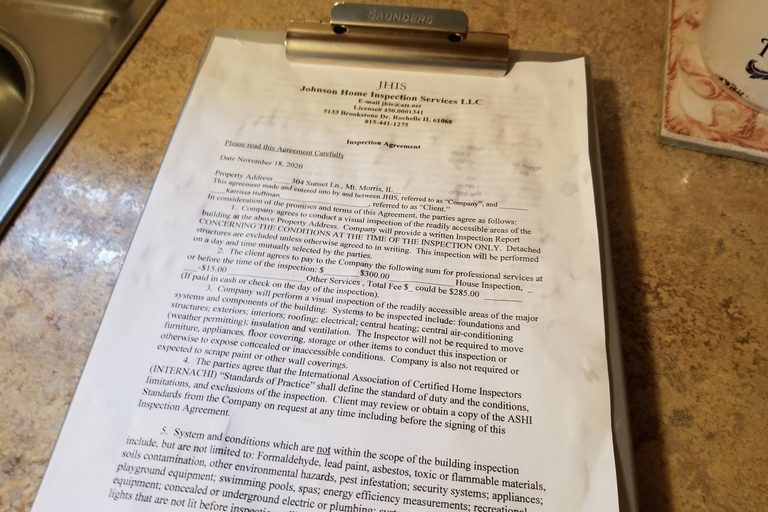
The two big trade groups, the American Society of Home Inspectors (ASHI) and InterNACHI, each publish a standards of practice that spells this out. Most state licensing rules follow something close to them. What follows is based on those standards; your inspector’s contract may add or remove items, so read it.
InterNACHI’s standard calls it a “non-invasive, visual examination” and says flat out that “an inspection is not technically exhaustive.” In practice that means the inspector opens panels and access hatches that are meant to be opened, operates what has a switch or thermostat, and looks hard at everything else. Nothing gets cut open or taken apart.
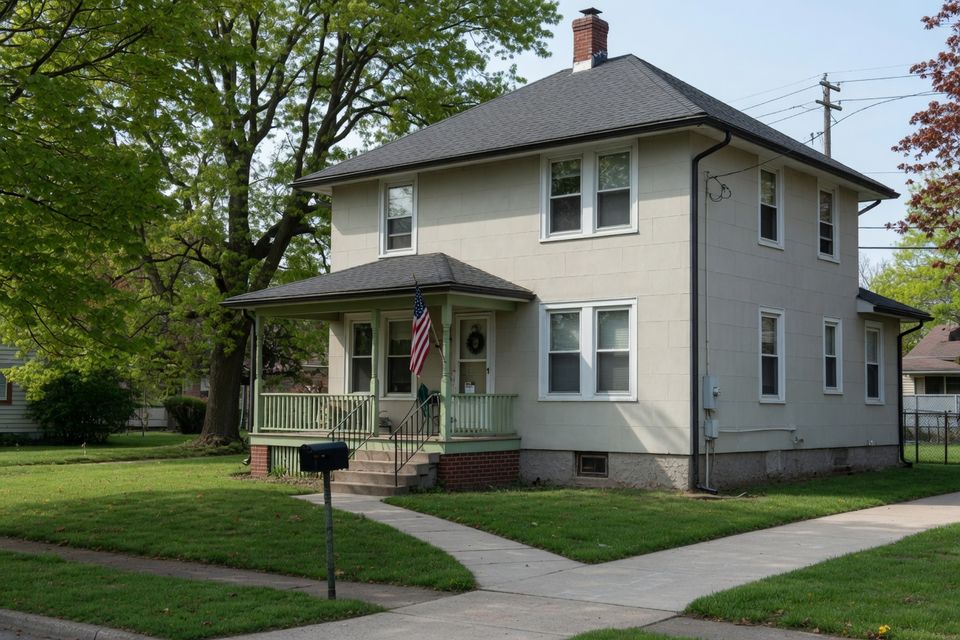
On an average house of about 2,000 square feet, that takes two to three hours. You get a written report, usually within a day, with photos and a note on what each problem means and who should look at it.

You can and should look around a house yourself; this whole site is about that. But a paid inspection before you buy does three things your own walkthrough can’t. It’s done by someone who has seen hundreds of houses and knows what a failing water heater or an overloaded panel looks like. It’s written up in a report a seller and their agent will take seriously in a repair negotiation. And the inspector is usually carrying errors and omissions insurance, which many licensing states require. (Usually the buyer hires the inspector; here’s more on who hires the home inspector.)
A typical inspection costs about $300 to $425. HomeAdvisor’s current national average is around $344.
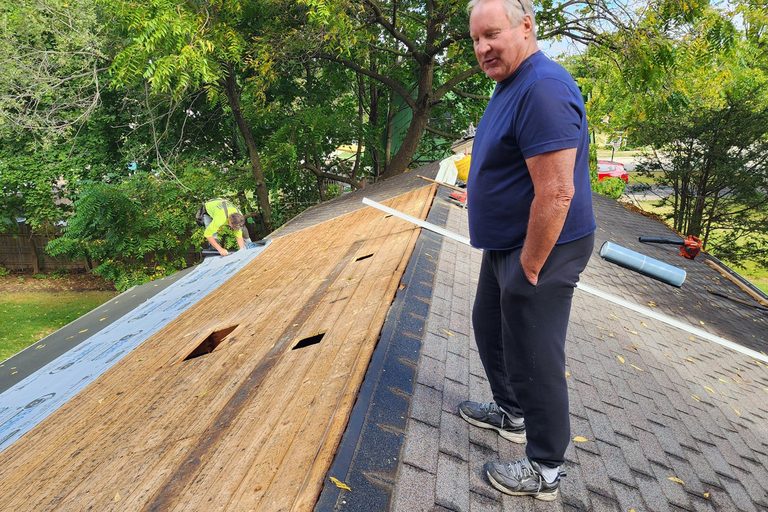
The inspector looks at the roof covering, gutters, downspouts, vents, flashing, skylights and the chimney where it comes through the roof. They’re looking for missing or curled shingles, lifted flashing, and gutters that dump water at the foundation.
They are not required to walk the roof. InterNACHI’s standard lets them inspect from the ground or the eaves, and many use binoculars or a drone on steep or fragile roofs. Ask how yours will do it.
Siding, trim, eaves, windows, doors, decks, steps, railings and walkways all get a look. So does the ground around the house: grading, surface drainage, retaining walls and vegetation, where any of them could hurt the structure. Soil that slopes toward the foundation, rotted trim at the bottom of a door, or a deck pulling away from the house are the kind of things that show up here.
The inspector reports the foundation type and looks for signs of movement: stair-step cracks, bowing walls, doors that won’t latch. In a crawl space, they look for wood touching soil, standing water and damaged framing, as long as the crawl space is safe to enter.
They run water at the fixtures, often several at once, to check that flow holds up, flush the toilets, and look for leaks and corrosion on pipes they can see. The water heater gets checked for its venting, its temperature and pressure relief valve, and its general condition.
What they don’t do is measure exact water pressure, flow rate or water heater temperature. Those are outside the standard.
The inspector opens the main panel (if it’s safe to), looks for things like double-tapped breakers, scorched wires and aluminum branch wiring, and checks a representative sample of switches, lights and outlets. They test GFCI outlets and breakers with a GFCI tester, and AFCI-protected outlets with the test button where they can reach it.
The furnace, boiler, heat pump or air conditioner gets run with its normal thermostat. The inspector opens access panels made to be opened and looks at the burners, venting and filter. They won’t light a pilot that’s off, and they won’t run the AC on a cold day if it could damage the unit, which is one reason a winter inspection may note the AC as “not tested.”
Where the attic is reachable, they check insulation, roof ventilation and whether bath and kitchen fans actually vent outside instead of into the attic. Frost or dark staining on the underside of the roof deck in winter usually points to a ventilation or air-leak problem.
Walls, ceilings, floors, stairs, railings, a sample of doors and windows, and signs of past water damage. A fresh patch of paint on one ceiling is something a good inspector will point at and ask about.
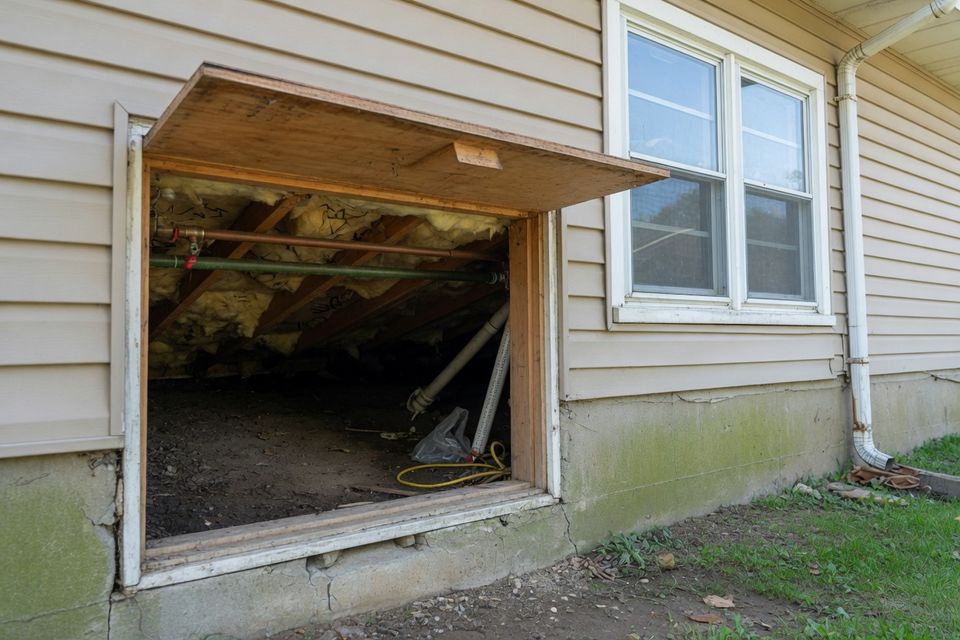
If it’s not “readily accessible,” it’s outside the inspection. The inspector won’t move furniture, pull up carpet, or crawl into a space that isn’t safe. A basement wall hidden behind the seller’s boxes is a wall nobody inspected, and the report will say so. Ask the seller to clear the basement walls, attic hatch, electrical panel and furnace before inspection day.
Both ASHI and InterNACHI exclude code compliance from the inspection. An inspector will often flag a missing handrail or an unprotected outlet near a sink as a safety defect, but that’s not a code ruling. If you need to know whether past work was permitted and passed, check with your local building department; many let you look up permit history by address.
An inspector isn’t your contractor. ASHI members can’t repair, replace or upgrade anything they inspected for one year after the inspection, and InterNACHI members have the same 12-month rule. That keeps them from finding problems they’d profit from fixing. InterNACHI’s standard also doesn’t require repair cost estimates. For a price, get a quote from a contractor in that trade.
Inspectors will often note that a water heater or roof is old, but they are not required to predict remaining life. An old furnace that still runs safely isn’t, by itself, a defect.
Mold, radon, asbestos, lead paint and evidence of rodents or insects are all outside the standard inspection. Many inspectors sell them as add-ons. Radon is worth testing almost anywhere; the EPA recommends fixing a home at 4 pCi/L or higher. If the house is older or has a basement, ask about these when you book.
Septic systems, wells, pools and spas, underground pipes, irrigation and security systems are excluded too. If the house has any of them, book a specialist: a septic pump-and-inspect, a well water test, or a camera scope of the sewer line on an older house with big trees out front.
An inspector can tell you a foundation crack looks like active movement. They can’t tell you why or how to fix it. When the report says “recommend evaluation by a structural engineer,” that’s exactly the line it’s describing, and you should follow it before your inspection contingency runs out.
Each licensing state sets its own rules for education, exams and insurance, so check your state’s licensing board. Beyond the law, the association codes of ethics add rules that protect you as the buyer.
Ask which association your inspector belongs to, and ask for their standards of practice in writing. If you think something was missed, that document is what you hold them to.
Compare a repair credit, completed repairs, and a price cut after a home inspection, with loan limits and how to get terms in writing.
Learn why an inspection report is not a repair list, how to sort findings into repair, monitor, and evaluate, and make a focused request.
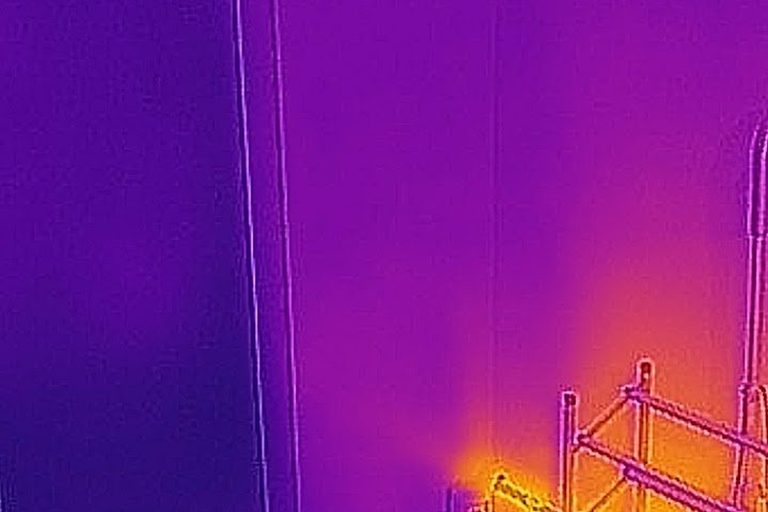
A thermal camera flags possible moisture, missing insulation, air leaks and hot wiring. Learn what a scan can and can't confirm, and what it costs.