Inspection FAQ
Credit or repairs. What buyers are asking for after the report
Compare a repair credit, completed repairs, and a price cut after a home inspection, with loan limits and how to get terms in writing.

Discover who sets up home inspections when buying a house. Learn about the cost, payment methods, and who hires home inspectors. Read now!
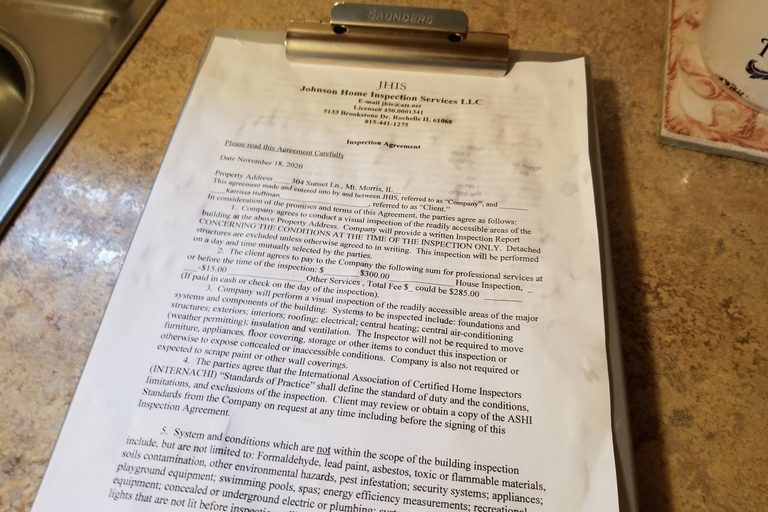
In a normal home sale, the buyer calls the shots. You pick the inspector, sign their agreement, pay their fee, and get the report. The inspector works for you, not for the seller, the agents, or the lender. Your agent can hand you names, but the choice is yours.
The one common exception is a pre-listing inspection, where the seller hires an inspector before the house goes on the market. That inspector works for the seller. If you’re buying, you still want your own.

The buyer, almost every time. Your purchase contract gives you an inspection period, often 5 to 14 days after the offer is accepted, and it’s on you to get the inspection booked and done inside that window. Miss the deadline and you can lose the right to back out or renegotiate over what the inspector finds.
Good places to find inspectors:
About 34 states license home inspectors; the rest leave it up to the market. If your state licenses them, look up the license number on the state board’s website before you book. If it doesn’t, membership in ASHI or InterNACHI and a sample report are your best checks.
Before you book, ask to see a sample report. You want photos, plain-language findings, and a clear list of safety items, not 60 pages of boilerplate.
You do. Some agents will schedule it for you as a courtesy, but you’re still the client, and the inspector’s agreement should have your name on it.
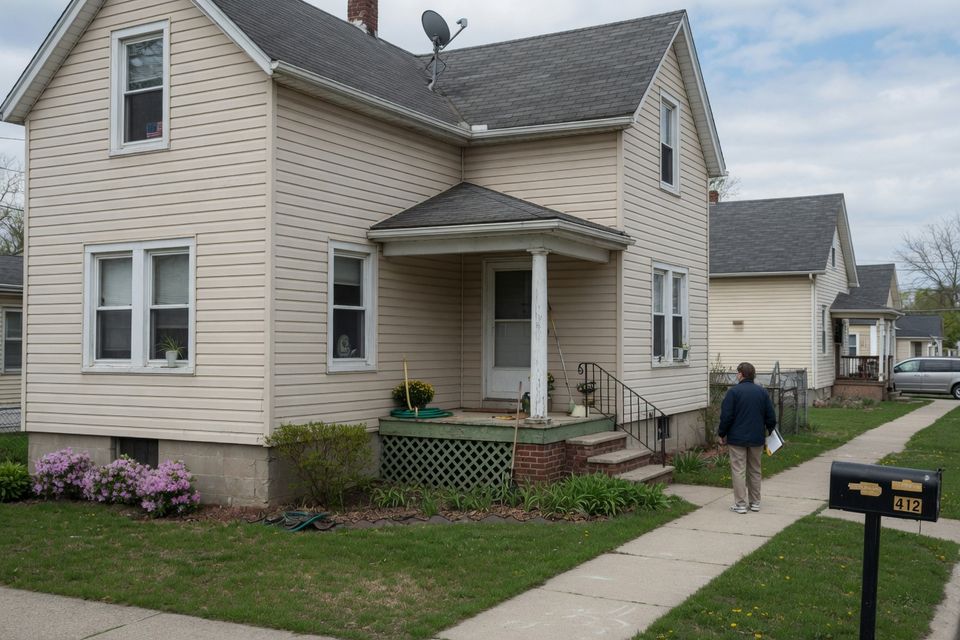
Agents recommend inspectors all the time, and plenty of those recommendations are good. The worry is the listing agent, whose paycheck depends on the deal closing. Some states put limits on this. Massachusetts, for one, bars agents from directly recommending a specific inspector unless they represent the buyer. Rules differ, so check your state.
A simple test: ask any inspector you’re considering, “Do you get most of your work from agents?” Then ask, “Would you tell me to walk away from a house?” You want someone who answers the second question without hesitating.
Some sellers pay for an inspection before listing so they can fix things or price the house honestly. If the seller hands you that report, read it. It’s useful background and may show you problems that have since been “fixed.” But it was written for the seller, on the seller’s schedule, and you have no say in what the inspector was told or shown. Get your own.
Whoever signed the inspection agreement and paid the fee. In a purchase, that’s you.
The two big trade groups spell this out in their ethics codes. ASHI’s Code of Ethics, for example, says its inspectors:
That last point matters. The seller and the seller’s agent don’t automatically get your report. You decide what to share, usually just the pages that back up your repair request.
HomeAdvisor’s numbers (updated June 2026) put the national average at about $344, with most buyers paying $296 to $425. Size is the biggest factor:
Age, a crawl space, a detached garage, and your local market push it up. Prices and what’s included also change from region to region.
Add-ons are billed separately. HomeAdvisor’s averages: about $250 for radon, $340 for lead paint, $490 for asbestos, $660 for mold, and $450 for a chimney inspection. A termite report averages around $100. If you’re stacking several, ask the inspector for a bundle price.
Don’t shop on price alone. A $100 difference is small next to what one missed furnace or roof problem costs you after closing.
The buyer, in nearly every sale. It’s your protection, so it’s your bill, and you pay it even if the inspection kills the deal.
There are two ways to get some of it back:
When the seller orders a pre-listing inspection, the seller pays for that one.
Most inspectors want payment at the time of the inspection or before they release the report. Some take a deposit when you book. Card and check are standard, and many take payment online through their booking software.
Some inspectors offer a pay-at-close option through a third-party payment company. You give a card as backup, the fee is added to your closing statement, and you pay it with the rest of your closing costs. There’s a catch: if the deal falls apart, your card gets charged anyway, usually within days of the original closing date. Some programs also add a convenience fee, so ask if the price changes.
Your real estate agent and your lender don’t handle the inspector’s payment. You pay the inspector directly, or through that pay-at-close service if they use one.
Compare a repair credit, completed repairs, and a price cut after a home inspection, with loan limits and how to get terms in writing.
Learn why an inspection report is not a repair list, how to sort findings into repair, monitor, and evaluate, and make a focused request.
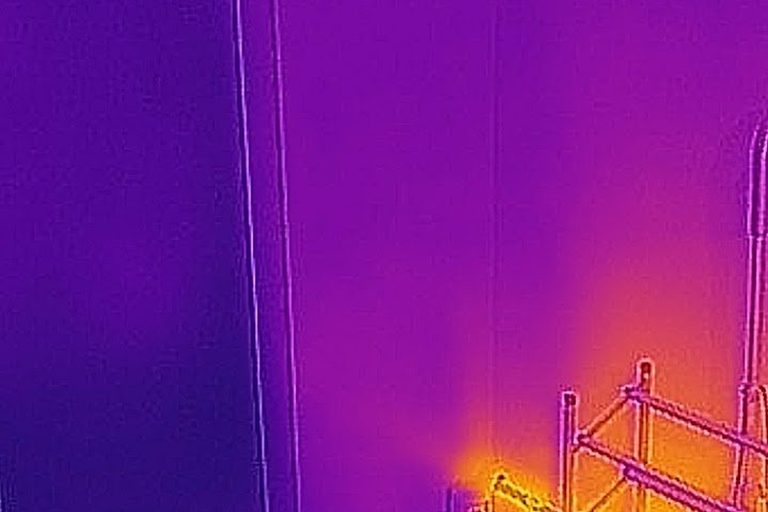
A thermal camera flags possible moisture, missing insulation, air leaks and hot wiring. Learn what a scan can and can't confirm, and what it costs.