Inspection FAQ
Credit or repairs. What buyers are asking for after the report
Compare a repair credit, completed repairs, and a price cut after a home inspection, with loan limits and how to get terms in writing.

Fall 2026 has more homes for sale and more price cuts than any September since 2018. How buyers can use the home inspection to negotiate repairs, credits or a lower price, without blowing up the deal.
This fall, buyers have more room to negotiate than they've had in years. Realtor.com's September 2026 report found 20.8% of listings had a price cut, the highest September share since 2018. Active listings were up 5.4% from a year ago, to more than 1.16 million homes, and the median home sat on the market for 61 days. Homes under contract were down 4.1% from last year.
The catch is mortgage rates. Freddie Mac's 30-year average hit 7.03% the week of September 24, the highest of 2026. Fewer buyers are shopping, which gives the ones who are shopping more leverage. The home inspection is one of the best places to use it.
In a hot market, buyers waived inspections to win bidding wars. In this market, there's rarely a reason to. An inspection contingency gives you a set number of days to inspect and then negotiate or walk away. Read our post on the inspection contingency before you sign anything.
The general inspection is a visual look at the whole house. In a buyer's market, it's worth adding the specialized checks the house calls for, before your contingency runs out:
Sellers get annoyed by a 40-item repair list, and it buries the items that matter. Focus on:
Let the loose cabinet doors, dripping faucets and missing outlet covers go.
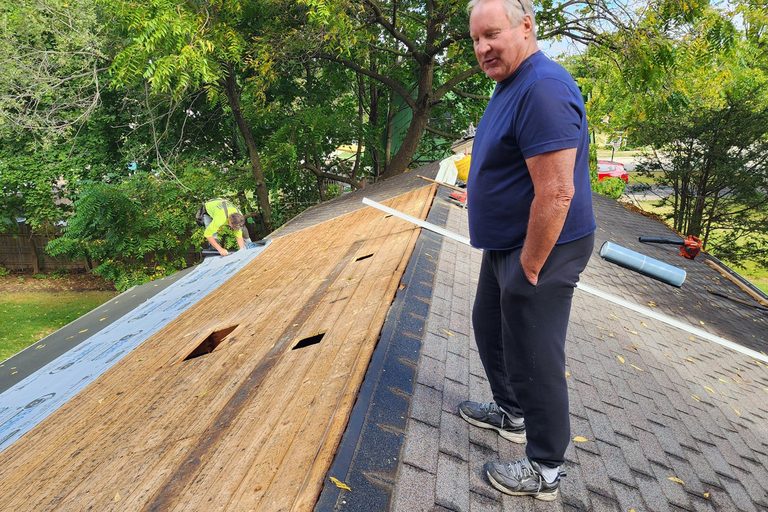
Get written quotes from contractors for the big items. "The roof needs replacing" is an opinion; "Here's a $14,000 quote from a roofer" is a number. Attach the inspection pages and the quotes to your request.
The contingency also lets you walk away. If the inspection turns up a cracked heat exchanger, a failing foundation and an old panel in the same house, the right move may be to cancel and look at one of the other homes on the market. This fall, there are more of them.
Before you start, read up on how to read a home inspection report without panicking.
Compare a repair credit, completed repairs, and a price cut after a home inspection, with loan limits and how to get terms in writing.
Learn why an inspection report is not a repair list, how to sort findings into repair, monitor, and evaluate, and make a focused request.
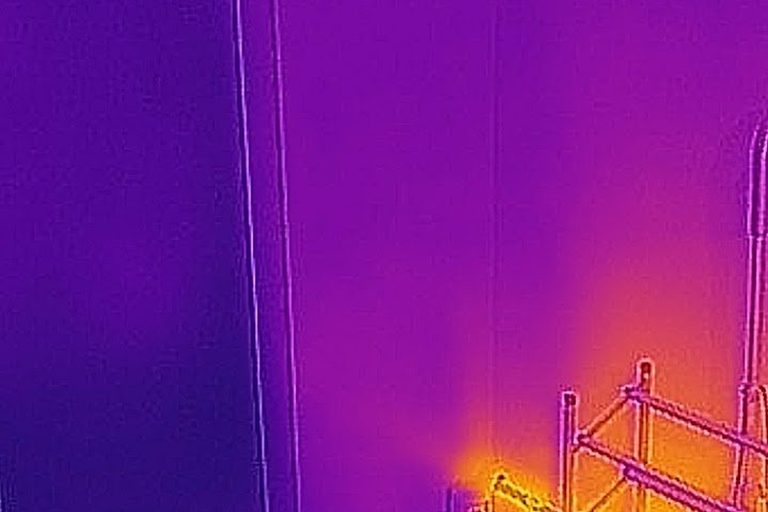
A thermal camera flags possible moisture, missing insulation, air leaks and hot wiring. Learn what a scan can and can't confirm, and what it costs.