Inspection FAQ
Credit or repairs. What buyers are asking for after the report
Compare a repair credit, completed repairs, and a price cut after a home inspection, with loan limits and how to get terms in writing.

Discover what requires a specialized home inspection. From structural to environmental issues, learn how to spot any potential problems.
A standard home inspection is a visual walk-through. Anything the inspector can’t see, can’t reach, or can’t measure without special equipment needs its own inspection. On most houses that means some mix of these: a radon test, a sewer line camera scope, a termite (wood-destroying insect) report, a chimney flue inspection, a septic inspection, lead paint or asbestos testing on older homes, mold testing when there’s a reason to suspect it, and a structural engineer when the foundation looks wrong.
You don’t need all of them. Which ones you need depends on the house’s age, what it’s built on, how it’s heated, and where its waste goes. Below is what a general inspector already covers, where that stops, and what each add-on costs.
A general home inspector looks at the visible, reachable parts of the house and reports what’s worn out, broken, or unsafe. They don’t open walls, dig, or take equipment apart. Plan on a few hours on site for an average house.

The inspector looks at foundation walls for cracks and movement, checks visible beams and posts, and looks for water stains, efflorescence (the white chalky crust on concrete), and damp smells in the basement or crawl space. Floors that slope, doors that won’t latch, and drywall cracks running from the corners of doors and windows all get noted, because they can point to settling somewhere else in the house.
What the inspector can’t tell you is why a crack is there or whether it’s still moving. That’s a structural engineer’s job (more on that below).

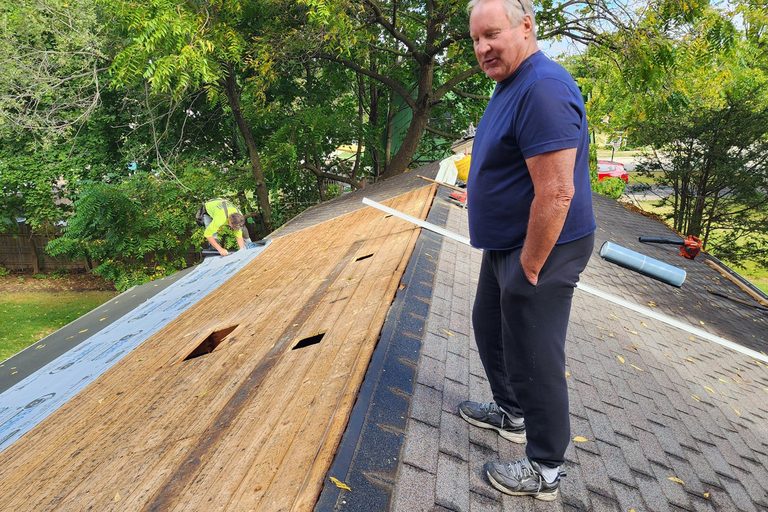
The roof gets a close look, from the roof itself or from the ground with binoculars or a drone if it’s too steep or covered. That means shingles or other covering, flashing around chimneys and vents, skylights, gutters, and downspouts. In the attic they check insulation depth, ventilation, daylight where there shouldn’t be any, rodent droppings, and dark stains on the roof sheathing from old or active leaks.

The inspector opens the main panel cover (if it’s safe to), looks for scorched or double-tapped breakers, checks grounding and bonding, and tests a sample of outlets. They’ll flag missing GFCI outlets in kitchens, baths, garages, and outdoors.
In a house wired between 1965 and the mid-1970s, watch for solid aluminum branch wiring. The Consumer Product Safety Commission found that homes wired with aluminum before 1972 were 55 times more likely to have outlet connections reach “fire hazard conditions” than homes wired with copper. If the report mentions aluminum wiring, get a licensed electrician to price a repair before you close.
Smoke and CO alarms usually get a quick look too. The NFPA calls for a smoke alarm inside every bedroom, outside each sleeping area, and on every level, replaced 10 years from the date printed on the back. If the house has a furnace, water heater, or fireplace that burns fuel, it needs CO alarms near the bedrooms. Local rules on exact placement vary, so check your state.

The inspector runs faucets, flushes toilets, checks for leaks under sinks, notes the pipe materials they can see, and looks at the water heater: its age (the serial number usually gives the year), rust at the base, and whether the relief valve has a discharge pipe running toward the floor.
Here’s the big limit: the main sewer line runs underground from your house to the street, and a general inspection can’t see inside it. A drain that empties fine during a three-hour inspection says nothing about the root ball halfway to the street.
The inspector runs the furnace or boiler and the air conditioner, checks the age of each unit, looks at the flue and venting, and checks the filter and visible ductwork. Most don’t take the furnace apart to look at the heat exchanger. If the furnace is near the end of its life or the inspector sees rust or soot, have an HVAC technician look at it during your inspection period.

These are the inspections a general inspector either doesn’t do or offers as a paid add-on. Prices below are national figures from HomeAdvisor and other cost surveys as of 2026; your area may run higher or lower.
Who needs it: Anyone buying a house with a basement, crawl space, or slab on the ground. That’s nearly everyone.
Radon is a radioactive gas that seeps up from the soil. You can’t see it or smell it. The EPA blames it for about 21,000 lung cancer deaths a year and calls it the leading cause of lung cancer among non-smokers. The EPA’s action level is 4 pCi/L; at or above that, you fix it.
Cost: A professional test runs about $145 to $714 according to HomeAdvisor, and many home inspectors offer it as an add-on with a continuous monitor left in the house for at least 48 hours. A short-term charcoal test kit costs about $20 to $35 with the lab fee included, which is fine for your own house but usually not what a seller will accept during a sale.
If the number comes back high, a mitigation system (a fan and a pipe pulling air from under the slab) averages about $1,028, with most homeowners paying $786 to $1,274. That’s a common thing to ask the seller to cover.
Who needs it: Any house on city sewer that’s more than about 20 years old, has big trees in the front yard, or has clay or cast iron drain pipe.
A plumber or inspector runs a camera through the cleanout to the street and records what it sees: roots, cracks, sags where water sits, offset joints, or a pipe that’s collapsed. Ask for the video file, not just a summary.
Cost: A straightforward residential scope runs about $200 to $300, and it’s often cheaper when your home inspector adds it on. If there’s no cleanout and the plumber has to pull a toilet, expect more. Compare that to what the scope can find: replacing a sewer line that has failed can run into the thousands, so this is one of the best-value add-ons on an older house.
Who needs it: Buyers in areas where termites are common, and anyone using a loan whose lender asks for one. VA loans call for this report in areas with moderate to heavy termite risk.
A licensed pest inspector looks for mud tubes on the foundation, damaged wood, frass, and conditions that invite insects, like wood siding touching the soil. The report goes on a standard form your lender and agent will recognize.
Cost: HomeAdvisor puts the average termite inspection at about $100, with most between $75 and $325. Many pest companies do routine inspections for free, but a report for a home sale usually costs something. In some markets the seller pays for it by custom; your agent will know.
Who needs it: Any house with a wood-burning fireplace, wood stove, or a chimney venting a furnace or water heater.
A general inspector looks at the chimney from the outside and peers up the firebox. They can’t see the flue liner. The NFPA 211 standard calls for a Level II inspection when a property is sold, which includes a video scan of the inside of the flue. Cracked clay liners and missing mortar are common finds, and they’re not cheap to fix.
Cost: HomeAdvisor lists chimney inspections at about $450 on average; a Level II with camera often falls in the $200 to $500 range. Hire a chimney sweep with a CSIA certification.
Who needs it: Every house not on city sewer.
A septic contractor locates the tank, pumps it so they can see the walls and baffles, checks the inlet and outlet, and looks at the drain field for soggy ground or bright green stripes. A general inspector can tell you the house has a septic system. That’s about all they can tell you.
Cost: HomeAdvisor puts a full home-purchase septic inspection at about $400 to $700, plus pumping if it’s not included. Some counties require one before a sale; check your state and county.
Who needs it: Buyers of a house built before 1978, especially with young children or a renovation planned.
The Consumer Product Safety Commission banned lead paint for homes in 1978, so anything older may have it under newer coats. Federal law gives you the right to a 10-day window to do a lead inspection or risk assessment when buying most pre-1978 housing, and the seller has to give you the EPA’s lead pamphlet and disclose what they know (EPA disclosure rule). You can waive that window, but think twice if you’re planning to sand, scrape, or replace windows.
A certified lead inspector uses a handheld XRF analyzer to check painted surfaces without damaging them, and sends paint chips to an accredited lab when the reading isn’t clear. Swab test kits exist; only three are EPA-recognized, and they’re meant for wood, metal, drywall, and plaster.
Cost: About $340 on average for a lead paint inspection, per HomeAdvisor.

Who needs it: Buyers of older homes, roughly pre-1980s, who see suspect material or plan to remodel.
Asbestos turns up in old pipe and duct wrap, old vinyl floor tiles, popcorn ceilings, cement siding shingles, and vermiculite attic insulation. The EPA’s 1989 ban was mostly overturned in 1991, so it kept showing up in some products after that. You can’t tell by looking. The EPA’s advice is plain: material in good shape that you won’t disturb should be left alone, and removal is a job for an accredited asbestos professional.
Testing means taking small samples and sending them to a lab. Mail-in asbestos test kits exist, but cutting a sample is itself a disturbance, so a pro is the safer call on anything crumbly.
Cost: About $490 on average for an asbestos inspection, per HomeAdvisor. Lab fees per sample are extra.
Who needs it: Not everyone. Get one when you smell must and can’t find the source, see staining after a past leak, or someone in the family has allergies or asthma.
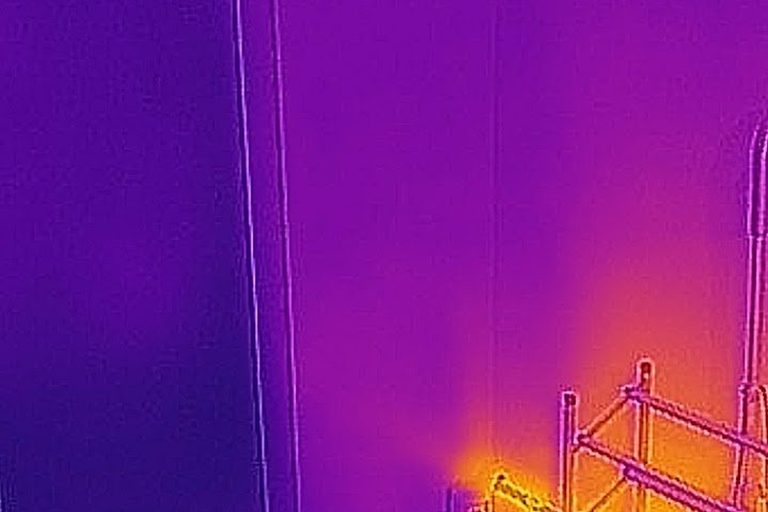
There are no EPA or federal limits for mold spores in a house, so air sampling can’t tell you whether a home “passes.” If you can see mold, the EPA says testing it usually isn’t necessary; fix the water problem and clean it up. A good mold inspector earns the fee by finding the hidden moisture: they use moisture meters and sometimes a thermal camera to find wet walls, then sample only where it’ll answer a question.
Cost: HomeAdvisor lists $303 to $1,075, averaging $689. Lab samples run about $200 to $350 each depending on the type.
Who needs it: Any buyer whose general inspector writes “recommend further evaluation by a structural engineer.” Also anyone who sees horizontal cracks in a block wall, a wall bowing in, stair-step cracks wider than a pencil, or floors you can feel slope.
A home inspector can point at a crack. A licensed structural engineer can tell you why it happened, whether it’s still moving, and what the fix should be, in a stamped letter you can hand to contractors and the seller.
Cost: Usually several hundred dollars for a foundation evaluation, more if they need to investigate active movement. Book early; engineers can be booked out past a short inspection window.
Inspection windows in a purchase contract are often only 5 to 14 days. You won’t have time to think about this after you’ve seen the report, so decide before you schedule:
Ask your home inspector which of these they can do on the same visit. Bundling radon, sewer, and WDI with the general inspection usually saves money and puts everything in one report before your deadline.
Compare a repair credit, completed repairs, and a price cut after a home inspection, with loan limits and how to get terms in writing.
Learn why an inspection report is not a repair list, how to sort findings into repair, monitor, and evaluate, and make a focused request.
A thermal camera flags possible moisture, missing insulation, air leaks and hot wiring. Learn what a scan can and can't confirm, and what it costs.