Inspection FAQ
Credit or repairs. What buyers are asking for after the report
Compare a repair credit, completed repairs, and a price cut after a home inspection, with loan limits and how to get terms in writing.

A patch of extra-green grass over the drainfield can mean a failing septic system. The EPA's warning signs, how often to pump, and what to ask before you buy a house on septic.
A lawn with one strip of grass that's greener and thicker than everything around it looks like good news. Over a septic drainfield, it's often the opposite. A recent story about a home inspector who spotted exactly that, then confirmed a failing system with a quick dye test, has been making the rounds.
About one in five U.S. homes uses a septic system. If yours does, or if you're buying one that does, here's what to watch for.
Wastewater from the house flows into a buried tank. Solids sink to the bottom as sludge, grease floats to the top as scum, and the liquid in the middle flows out to a drainfield: a set of buried pipes or chambers in gravel where the soil filters and treats it. The system works as long as solids stay in the tank and the soil can keep absorbing water.
The U.S. Environmental Protection Agency lists these as common signs of a failing system:
That last one is the green-grass test. Wastewater coming to the surface is acting as fertilizer and water. In a dry spell, when the rest of the lawn is browning, a green stripe pattern over the drainfield is a red flag.
The EPA recommends having the system inspected every 1 to 3 years and the tank pumped every 3 to 5 years, depending on tank size, the number of people in the house and water use.
Pumping isn't optional maintenance. If the tank fills with sludge, solids can wash out into the drainfield and clog it. A clogged drainfield can't be cleaned out; it usually has to be replaced, and that's one of the most expensive repairs a homeowner can face.
A standard home inspection usually doesn't include a full septic inspection. Ask for one separately from a qualified septic inspector, and ask the seller for:
A septic inspection often includes pumping the tank so the inspector can see its condition, plus checking the drainfield. In some areas, a dye test is used: dye goes down a drain, and if it shows up in the yard, there's a problem. Make a septic inspection part of your inspection contingency.
A septic system out of sight shouldn't be out of mind. Pump it on schedule, treat it kindly, and take the green stripe seriously when you see it.
Compare a repair credit, completed repairs, and a price cut after a home inspection, with loan limits and how to get terms in writing.
Learn why an inspection report is not a repair list, how to sort findings into repair, monitor, and evaluate, and make a focused request.
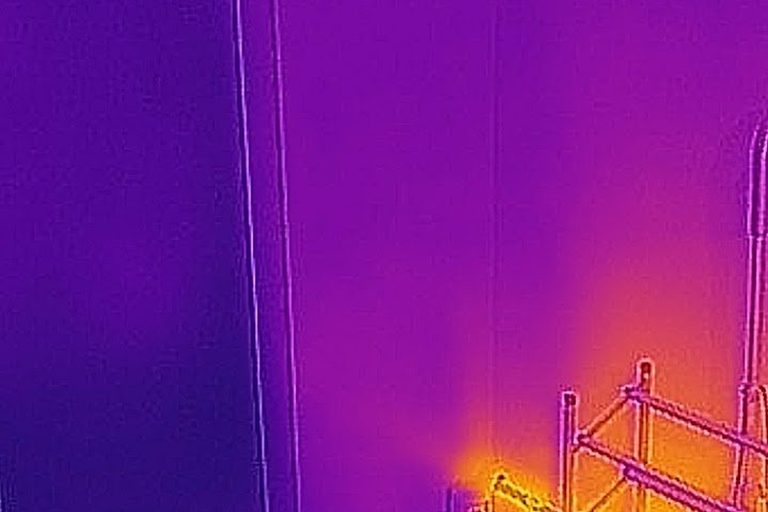
A thermal camera flags possible moisture, missing insulation, air leaks and hot wiring. Learn what a scan can and can't confirm, and what it costs.