Safety
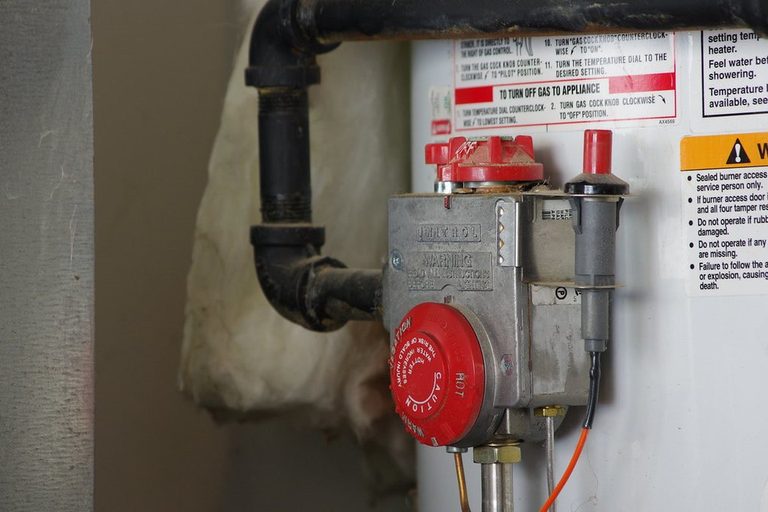
Water Heater Temperature: Why 120°F Is the Right Setting, and How to Check Yours
Why 120°F is the recommended water heater setting for safety and energy, and how to measure your tap temperature in about five minutes.
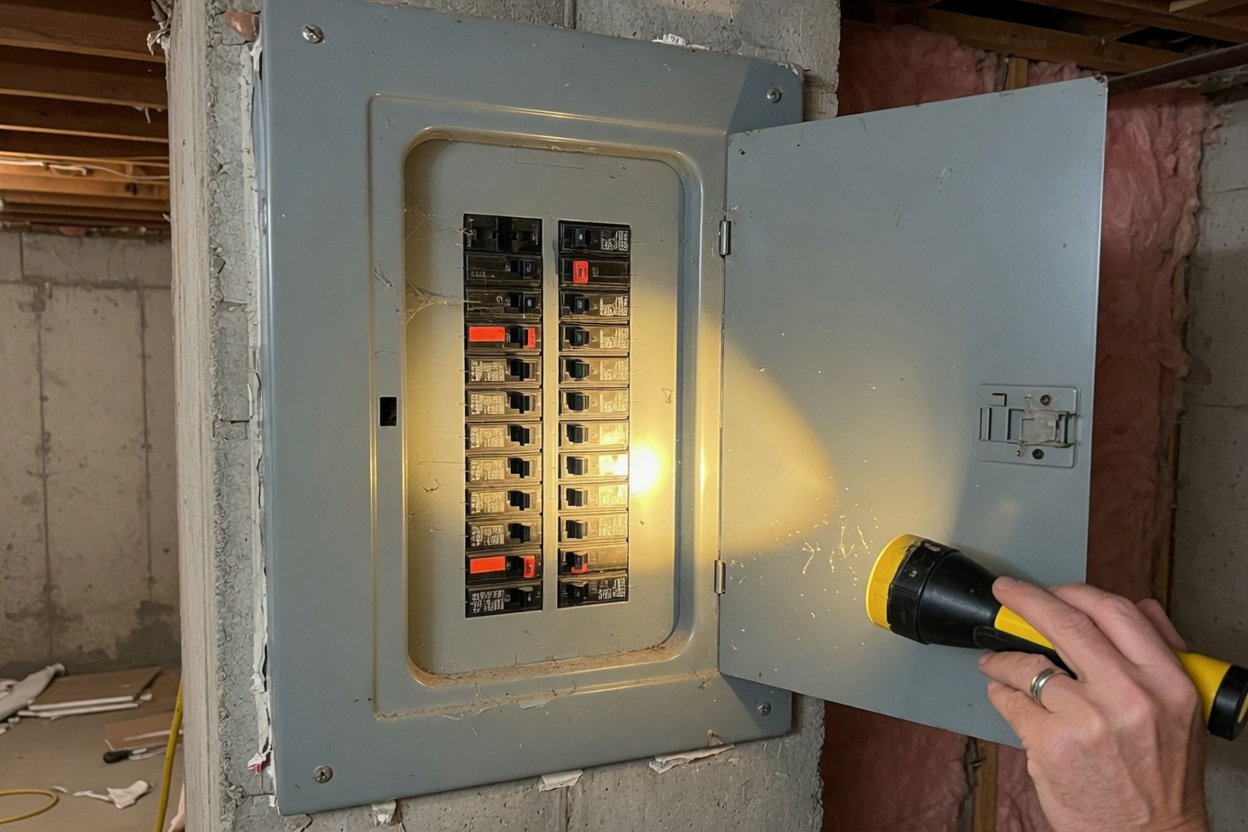
What to look for on your electrical panel without taking the cover off: the brands electricians worry about, scorch marks, rust, double taps, and when to call an electrician.
Your electrical panel is the gray box in the basement, garage or utility closet where every circuit in the house starts. Most people only open it when a breaker trips. It's worth five minutes of your attention, especially in an older house or one you're about to buy.
Safety first: this is a look-only check. Open the panel door, but don't take off the inside cover (the metal plate the breakers poke through). Behind it are live parts that can kill you even with the main breaker off. Taking the cover off is a job for a licensed electrician.
FPE panels were installed in millions of homes from the 1950s into the 1980s. Look for "Federal Pacific" or "FPE" on the label and "Stab-Lok" on the breakers, which often have a red-orange stripe on the handle. The concern is that some of these breakers may not trip when they should, letting a wire overheat. The U.S. Consumer Product Safety Commission investigated in the early 1980s and closed the case in 1983 without a recall, citing limited budget and uncertain results. Many electricians and home inspectors still recommend replacing them.
Zinsco panels were common from the 1950s through the 1970s. The breakers are often in bright colors. The known problem is that breakers can overheat and fuse to the panel's bus bar. When that happens, the breaker looks normal but can't trip.
If your panel is one of these, it isn't an emergency today, but have an electrician look at it and get a quote. If you're buying a house, plan on it. Some insurance companies ask about these panels or won't cover them.
A double tap is two wires under one screw on a breaker. Most breakers are made to hold only one wire, so a second wire can work loose, arc and overheat. Some breakers are listed for two wires, and an electrician can tell which. Home inspectors call these out all the time. You'll usually only see a double tap with the cover off, so it's something to look for in an inspection report, not to go hunting for yourself.
Look at the label for the panel's amp rating. A lot of older homes have 60- or 100-amp service. If you're adding an EV charger, a heat pump, a hot tub or a big shop, an electrician may tell you to upgrade.
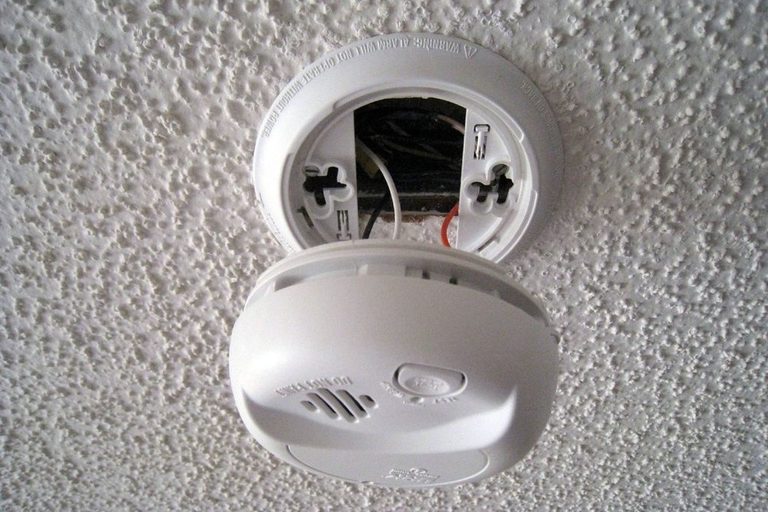
Any of the red flags above, any FPE or Zinsco panel, and any time you smell burning or feel heat. While you're at it, test your smoke and CO alarms.
Why 120°F is the recommended water heater setting for safety and energy, and how to measure your tap temperature in about five minutes.
Test your CO alarms and learn what each beep means. This guide covers testing procedures, sound patterns, when to replace units, and safety steps.
A 10-minute check for Halloween and holiday lights: safety labels, outdoor-rated cords, GFCI outlets, overloaded circuits and the warning signs of a cord about to fail.