Safety
Test Your Carbon Monoxide Alarms Before the First Cold Night: What Each Beep Means
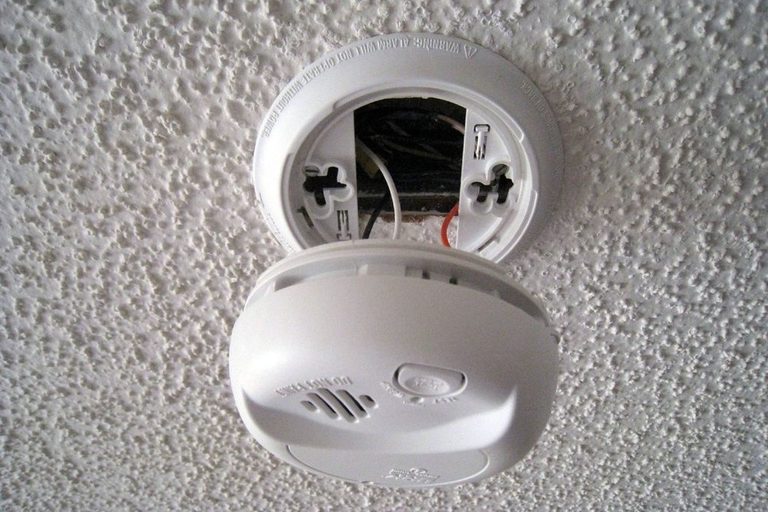
Test your CO alarms and learn what each beep means. This guide covers testing procedures, sound patterns, when to replace units, and safety steps.
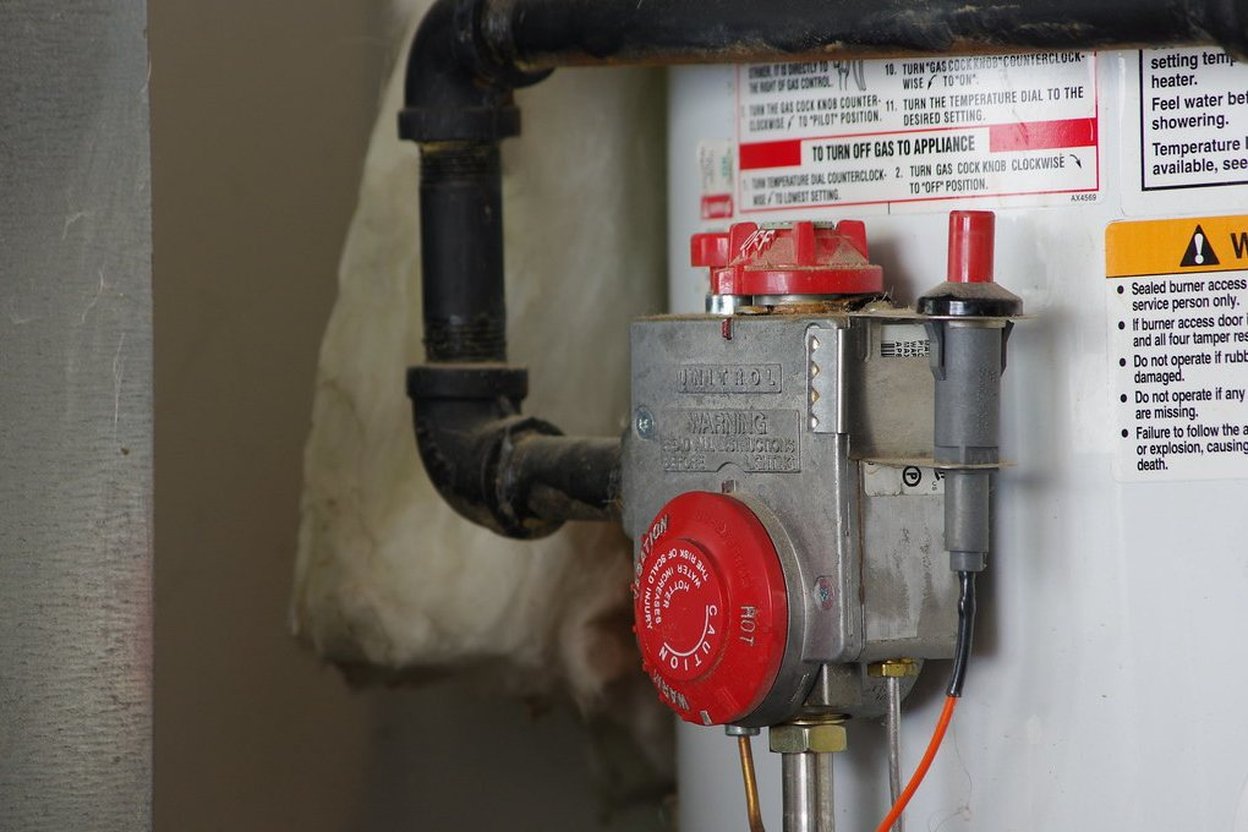
Why 120°F is the recommended water heater setting for safety and energy, and how to measure your tap temperature in about five minutes.
You turn on the shower, put a hand under it, and pull back fast because the water is far hotter than you need. Your water heater is probably set above 120°F, the setting federal safety and energy agencies recommend for most homes. At 120°F you get plenty of hot water, a much lower burn risk, and a slightly smaller energy bill. Below you'll find why 120°F is the usual answer, when a hotter setting makes sense, and how to measure the real temperature at your tap in about five minutes.
The U.S. Consumer Product Safety Commission (CPSC) urges everyone to lower their water heater to 120°F. The Department of Energy (DOE) gives the same number and calls it "a temperature considered safe for most of the population."
Your heater may not be set there now. Some manufacturers ship water heaters set to 140°F, and many owners never touch the dial after the plumber leaves. The dial markings don't help much either. "Hot," "A," or "Vacation" tells you nothing about the real temperature, so the only way to know is to measure at a faucet (steps below).
There's also a lower limit. For rental properties, the Centers for Disease Control and Prevention (CDC) says the water heater should be set to at least 120°F to limit the growth of Legionella, the bacteria behind Legionnaires' disease. So 120°F is both the ceiling for scald safety and the floor for germ control in most homes. Here is why each side matters.
Hot tap water can burn very quickly. According to the CPSC, most adults get third-degree burns (the kind that destroy the full thickness of the skin) after:
Each 10 degrees between 150°F and 130°F makes a big difference. At 140°F, a common factory setting, a burn takes less time than turning a stiff shower handle back to cold. At 120°F you have minutes to react instead of seconds, which is why the agencies picked that number.
The CPSC says most tap-water scald injuries and deaths happen to two groups: children under five and older adults. Young children have thin skin, can't always get out of a tub or turn a faucet off, and may not understand what's happening. Older adults may react more slowly, have less feeling in their hands or feet, or have trouble getting up quickly.
That's worth keeping in mind as Thanksgiving approaches (November 26 this year), when many homes host grandparents and toddlers at the same time. Besides lowering the setting, the CPSC recommends two habits:
If your water comes out at 140°F, treat it as a scald hazard and fix it, especially if young children or older adults live in or visit the house.
If hotter water is riskier, it's natural to think cooler water is even safer. It isn't, because warm water is where bacteria grow.
CDC guidance for building water systems says Legionella grows well between about 77°F and 113°F. Growth slows between 113°F and 120°F, and the bacteria start to die above about 120°F. That's why the CDC says not to set a water heater below 120°F. A tank kept at 105°F or 110°F to "save energy" sits in the range where the bacteria grow best.
There's a catch. Water in a tank isn't all one temperature. Hot water rises and cooler water settles to the bottom, which is called stratification. The CDC notes that even with a higher set point, parts of a tank can stay cooler than the thermostat setting. That's one more reason not to set the dial at the bare minimum and assume the whole tank is safe.
Hotter water does kill more germs. The CDC says water at 130–140°F can kill many harmful germs but also raises the risk of scalds. If you keep your heater above 120°F, the CDC advises installing thermostatic mixing valves, which blend hot and cold water at faucets and showers so the water that comes out can't exceed a safe temperature, and following your state and local scald-prevention rules, which vary. A licensed plumber should install mixing valves. A bad installation can let hot water through or keep the shower cold.
If someone in the home has a weakened immune system (from chemotherapy, an organ transplant, or chronic lung disease, for example), Legionella is a bigger worry. Ask their doctor and a licensed plumber whether a higher tank setting with mixing valves makes sense for your home.
The other usual argument for a hotter tank is the dishwasher. Many dishwashers have a built-in heating element (a "booster") that raises the water temperature inside the machine. The DOE says that if yours has one, you can set the water heater to 120°F. Check the dishwasher manual or look up the model number online to find out. With an older machine that has no booster, dishes may come out less clean at 120°F, but the answer is usually a newer dishwasher, not a scald-hot tank for the whole house.
Energy is the other reason to turn the dial down. According to the DOE, water heating is the second-largest energy expense in a typical home, about 18% of its energy use. A cooler tank loses less heat through its walls and pipes. The water heating cost guide from one Midwest utility, Minnesota Energy Resources, estimates that keeping a heater at 120°F saves about 9% on water heating costs, and that a heater set to 140°F can waste $36 to $61 a year in extra heating. These are one utility's estimates, and your results will depend on your fuel prices and how much hot water you use.
The DOE lists a few more inexpensive steps:
Fall, before the coldest months, is a good time to do all three, because cold incoming water makes the heater work harder.
The dial setting is only a rough guide, so measure the water at a faucet.
1. Measure at the tap. Use a candy thermometer or a meat thermometer. The CPSC says to test first thing in the morning, or at least two hours after anyone has used hot water, so you're measuring water that has had time to fully heat. Run the hot water at the faucet closest to the heater until it stops getting hotter, then hold the thermometer in the stream and read it.
2. Adjust the thermostat. - Gas heaters: Usually there's a dial on the gas control valve near the bottom of the tank. Controls vary by model, so the CPSC says to follow the manufacturer's instructions or call your gas company. Don't take apart anything on the gas valve. - Electric heaters: Most have two thermostats, upper and lower, and the CPSC says both must be set to the same temperature. Turn off the power at the breaker first. These thermostats sit behind access panels next to live 240-volt wiring. Remove the upper and lower panels, move any insulation aside, and turn each dial a little lower with a flat screwdriver. Put everything back before turning the power on. If you aren't comfortable working near that wiring, hire a licensed electrician or plumber. The CPSC also notes that some electric utilities adjust water heaters for free, so call yours first.
3. Wait and re-test. The tank needs time to settle at the new setting. Test again the next morning, and keep adjusting a little at a time until the tap reads about 120°F.
For buyers and inspectors: Write down the measured tap temperature, not just the dial setting, and which faucet you tested. A reading well above 120°F is easy and inexpensive to fix, but it's worth putting on the list of things to handle before move-in, especially if young children will live there. Also note whether the home has mixing valves, and whether the electric heater's access panels and covers are in place.
Photo: 21/52 - Water Heater by Skakerman (Archive), BY 2.0.
Test your CO alarms and learn what each beep means. This guide covers testing procedures, sound patterns, when to replace units, and safety steps.
A 10-minute check for Halloween and holiday lights: safety labels, outdoor-rated cords, GFCI outlets, overloaded circuits and the warning signs of a cord about to fail.
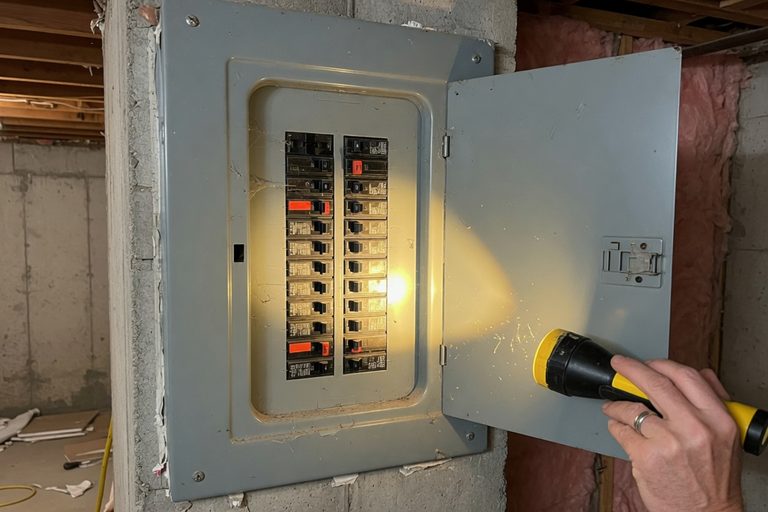
What to look for on your electrical panel without taking the cover off: the brands electricians worry about, scorch marks, rust, double taps, and when to call an electrician.