Safety
Water Heater Temperature: Why 120°F Is the Right Setting, and How to Check Yours
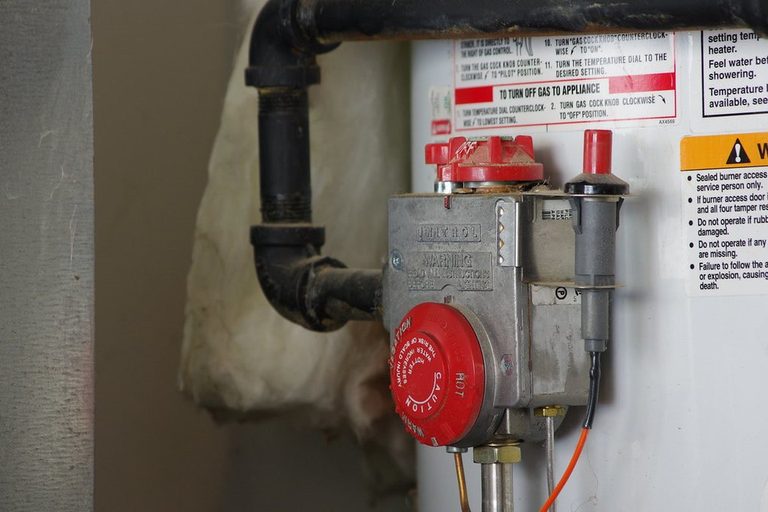
Why 120°F is the recommended water heater setting for safety and energy, and how to measure your tap temperature in about five minutes.
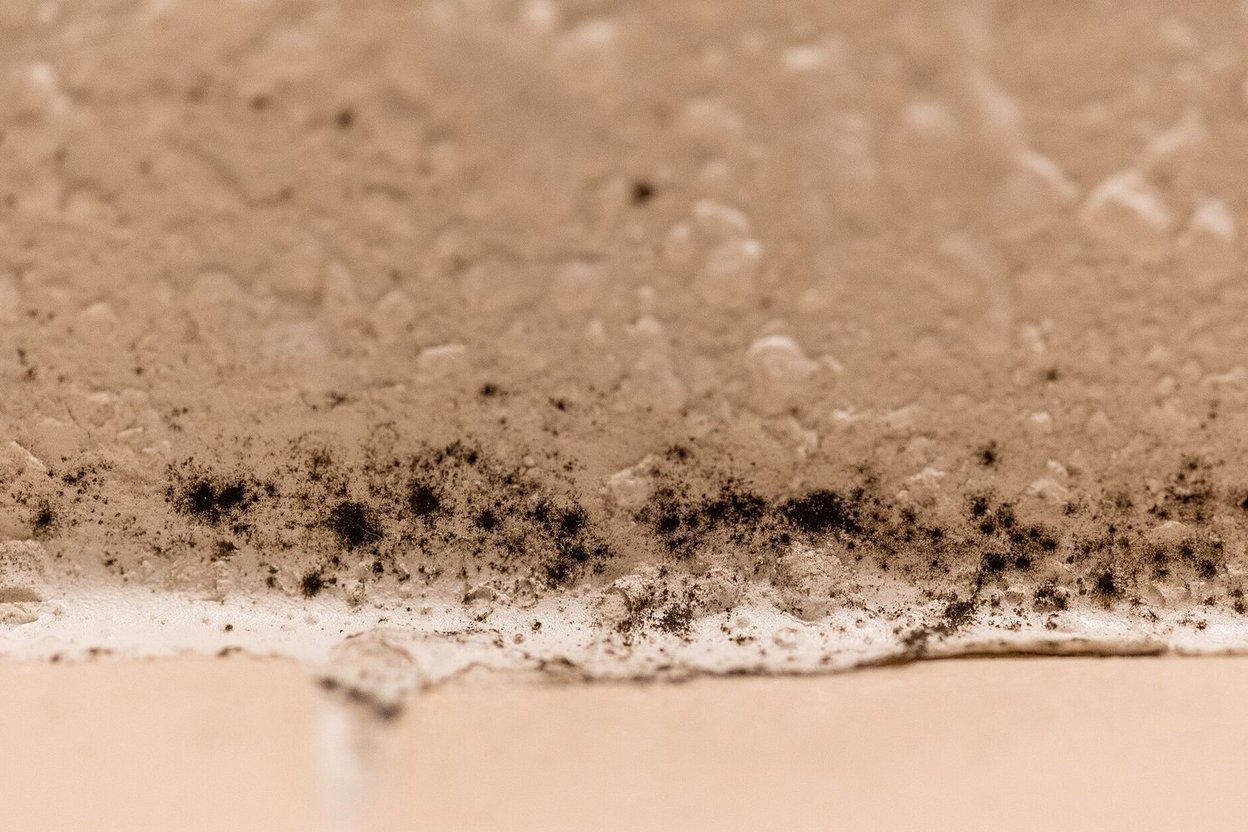
Mildew is the gray film on the shower grout. Mold can be a sign of a hidden water problem. How to tell them apart, what you can clean yourself, and when to call a pro.
Find a dark spot in the bathroom or the basement and the first question is: is this just mildew, or is it mold? The difference matters, because mildew is usually a cleaning job, while mold can mean water is getting somewhere it shouldn't.
Both are fungi, and both grow where it's damp. In everyday terms:
Mildew usually:
Mold usually:
Dab the spot with a few drops of diluted bleach. If it lightens quickly, it's more likely mildew. If it stays dark or comes right back, it's more likely mold. Either way, the real question is why it's damp.
Mold needs moisture. Where there's mold, there's a water problem:
Some people, especially those with allergies, asthma or weak immune systems, can have health effects from mold. The EPA's advice: the key to mold control is moisture control.
The EPA's guidance for homes says you can generally clean up a small area yourself, less than about 10 square feet (roughly 3 feet by 3 feet):
Look for a qualified mold remediation contractor, and find the moisture source with a plumber, roofer or waterproofer as needed.
If you find mold, the job isn't done until you know where the water came from. See how to find a hidden water leak.
Photo: Moldy Shower - Black Mold Growth in Bathroom (46195388355).jpg) by Tony Webster from Minneapolis, Minnesota, United States, CC BY-SA 2.0.
Why 120°F is the recommended water heater setting for safety and energy, and how to measure your tap temperature in about five minutes.
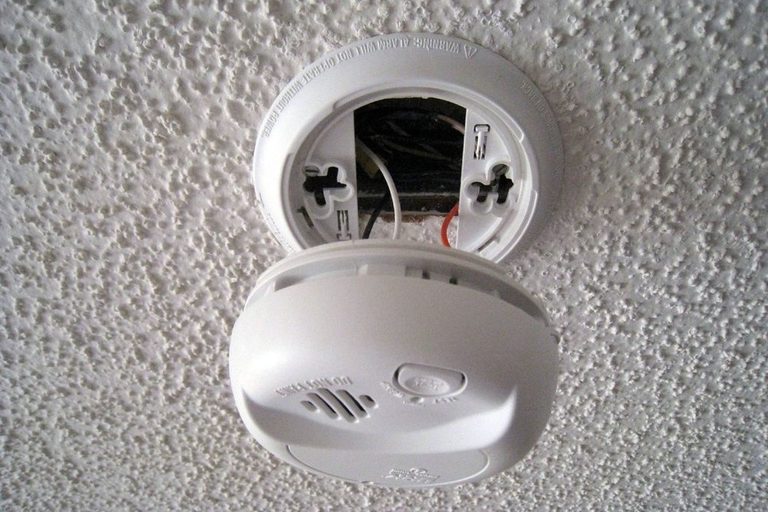
Test your CO alarms and learn what each beep means. This guide covers testing procedures, sound patterns, when to replace units, and safety steps.
A 10-minute check for Halloween and holiday lights: safety labels, outdoor-rated cords, GFCI outlets, overloaded circuits and the warning signs of a cord about to fail.