Plumbing
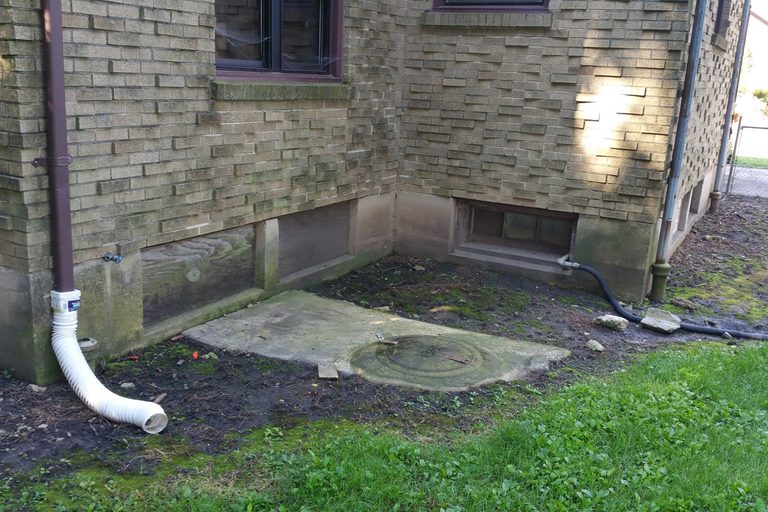
No cleanout. The backup is how people find out
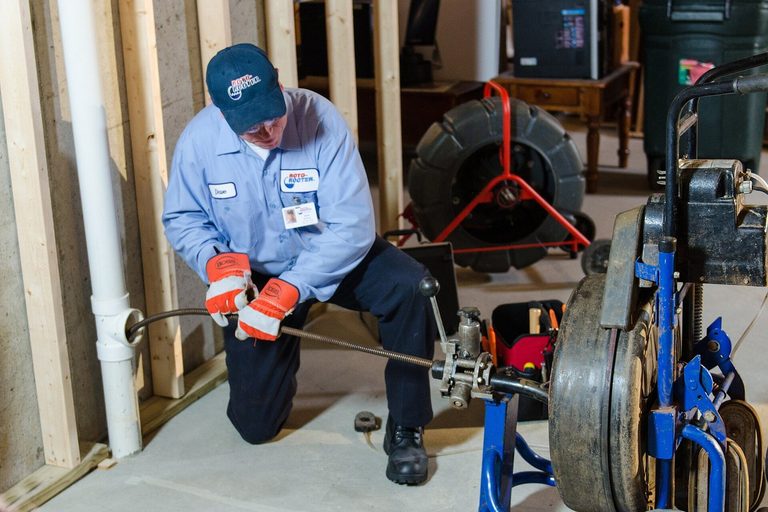
Learn how to find your sewer cleanout, what plumbing codes require, who owns the sewer line, and what a scope or cleanout install costs.
A high water bill or a stain on the ceiling can mean water is leaking somewhere you can't see. How to use your water meter to confirm a leak and track it down, room by room.
Small hidden leaks waste a lot of water and do a lot of damage: rotted subfloors, mold in walls, ruined ceilings. Home inspectors look for the clues. Here's how to check your own house.
If the indicator moves or the reading changed, you have a leak somewhere after the meter.
Leaks you can't find, leaks in walls, under slabs, or in the main line, and any active leak you can't stop. Know where your main shutoff valve is and that it works before you need it.
Replace old supply hoses (braided steel hoses are sturdier), insulate pipes in cold spots, and consider a water leak detector or automatic shutoff valve.
Leaks are one of the items on our fall home inspection checklist.
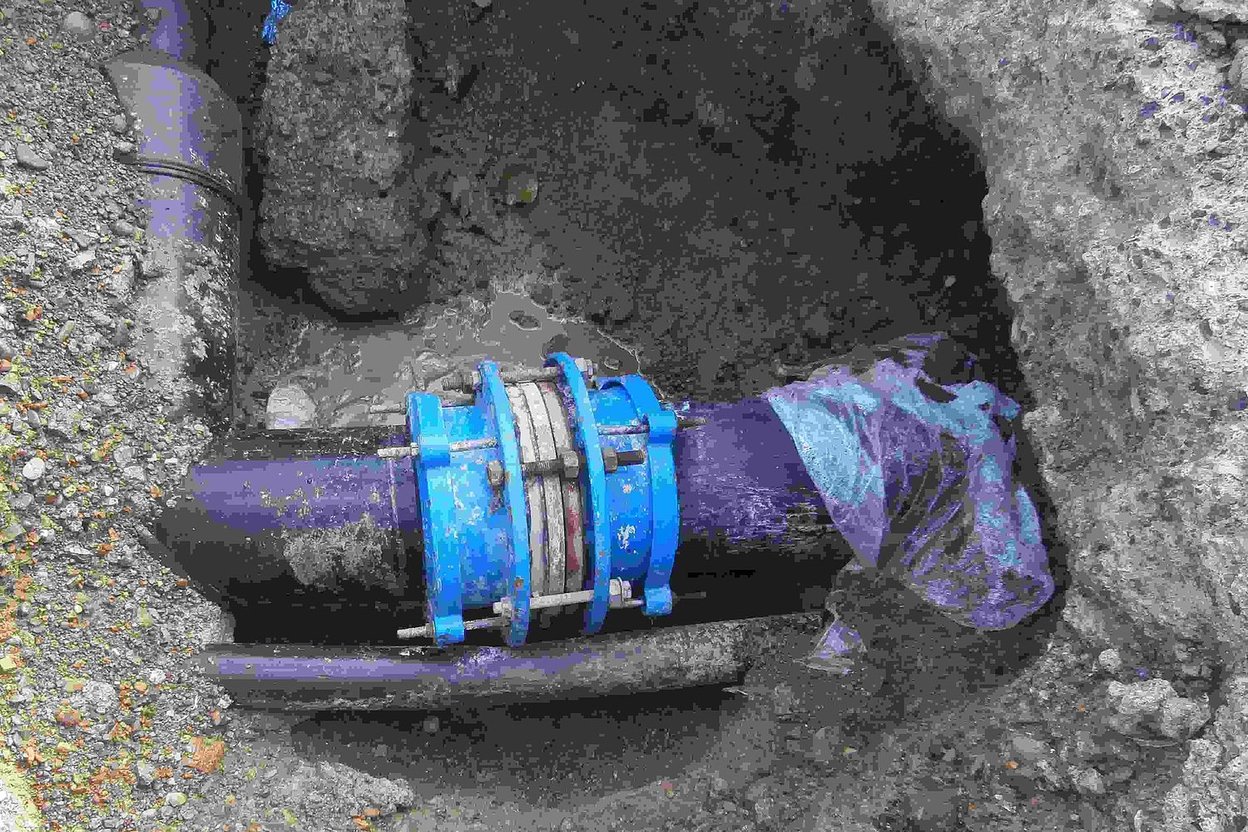
Photo: BCA pipe repair 2 in Cabacú by Sarang, Public domain.
Learn how to find your sewer cleanout, what plumbing codes require, who owns the sewer line, and what a scope or cleanout install costs.
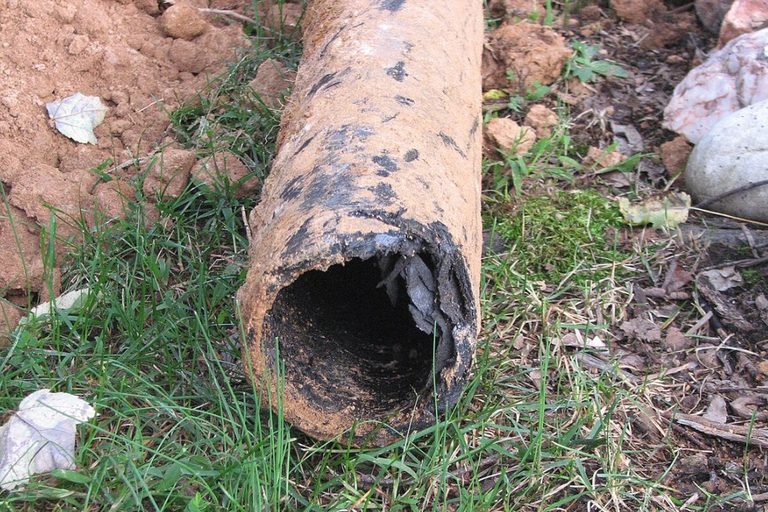
What an inspector looks for on sewer-scope video of Orangeburg pipe: out-of-round walls, blisters, roots, and separated joints.
Is a $250 sewer scope worth it on an older home? See what a camera finds in old lines, what it misses, and what to ask for.