Plumbing
No cleanout. The backup is how people find out
Learn how to find your sewer cleanout, what plumbing codes require, who owns the sewer line, and what a scope or cleanout install costs.
Is a $250 sewer scope worth it on an older home? See what a camera finds in old lines, what it misses, and what to ask for.
You are weighing inspection add-ons while trying to keep a home purchase on budget. For most older houses, a $250 sewer scope is worth the cost because it lets you see a buried line the regular inspection does not examine, and repairs can run into thousands of dollars. It gives you information to negotiate before your inspection deadline and a video to keep for future reference.
The scope is most useful when you are buying a pre-1980 house, a home with mature trees, or a property with a history of slow drains. Your inspector’s report can identify visible plumbing issues inside the house, but a camera is needed to assess the underground sewer line.## The short answer
For most older houses, yes: a $250 sewer scope is a reasonable price for seeing the condition of a buried line before you buy. Published inspector add-on prices run about $150 to $200, while Angi lists a basic camera inspection at $150 to $300. That puts $250 in the normal-to-slightly-high range, with regional prices and line length affecting the quote.
The cost is modest beside potential repairs. Angi and HomeAdvisor list an average sewer line replacement cost of $3,319, with a typical range of $1,388 to $5,323. Some inspectors quote $10,000 to $15,000 or more for a full replacement. The regular home inspection does not look inside the buried line, so a scope is the way to see its interior before ownership.
You might reasonably skip the scope if you are buying a newer home with known PVC piping and accept the remaining risk. PVC lines can still have construction defects, so newer materials do not guarantee a clear line.## What your regular home inspection doesn't cover
Your regular home inspection leaves the underground sewer line beyond its required scope. The American Society of Home Inspectors says inspectors are not required to use cameras inside drain or sewer lines. InterNACHI’s standard says inspectors do not have to inspect underground utilities.
A drain test inside the house checks whether fixtures drain, but it cannot show the full condition of the buried pipe. Water may flow through a line that has cracks or root intrusion, so a passing test does not confirm that the sewer line is clear or intact.## What the camera finds in older lines
A camera scope shows the pipe’s interior, where age-related materials and defects can affect flow or indicate needed repairs. Orangeburg fiber pipe was used roughly from the late 1940s to the early 1970s; older homes may also have cast-iron, clay or terracotta, or concrete lines. PVC appears in newer systems and in some repaired sections.
The camera can reveal roots entering at joints, bellies that hold standing water, and offsets or separated joints. It may also show cracks, egg-shaped or crushed sections, heavy scale inside cast iron, or debris such as wipes. Insight Home puts cast iron’s working life at 50 to 75 years, a figure from one inspection source.
Ask for the video, even if the report identifies no defects. It gives you a baseline for comparing a later scope if you notice slow drains or need to investigate a problem.## What $250 should buy
For $250, ask for a complete video and a written report that identifies the pipe and documents what the camera could not reach. Before booking, confirm that the scope includes:
Check what the quote covers. A plumber’s “sewer camera inspection” may cost more because it can include cleaning or a longer run. Angi lists a national average of $995 for plumber-run inspections, with prices ranging from $271 to $1,725.
A standalone visit may also cost more than an add-on. One West Virginia inspector lists $200 for a standalone scope and $150 when it is added to a home inspection. Ask whether your quote includes the full line, a delivered video, and the written findings.## What a scope can miss
A sewer scope only tells you about the portions of pipe the camera can reach and see clearly. Without a cleanout, the inspector may use a roof vent if access is safe and suitable, or the line may remain out of reach. Inspectors do not pull toilets or climb unsafe roofs.
Camera reels have limited reach; one ASHI author describes a reel of about 130 feet. Standing water and debris can hide the pipe, while a fully collapsed section can stop the camera. The camera also cannot assess the soil around the pipe, and the video captures conditions on one day.
Ask whether the inspector recommends running water before and during the scope, and follow their guidance. Have the report identify any segment that was not viewed, including the point where the camera stopped and the reason, if known.## What to do with the results
Use the scope findings to get qualified repair information before your inspection deadline. Send any “needs correction” items to a licensed sewer contractor and ask for a written quote.
Ask your city or utility which part of the sewer line is yours to maintain, then check the applicable guidance in our who-pays guide. Ownership responsibilities vary by location. Use the contractor’s quote and the inspection video to negotiate a repair, replacement, or closing credit before your deadline.
Keep the video with your home records. If a future drain problem arises, it gives you a reference point for what the line looked like at the time of purchase.
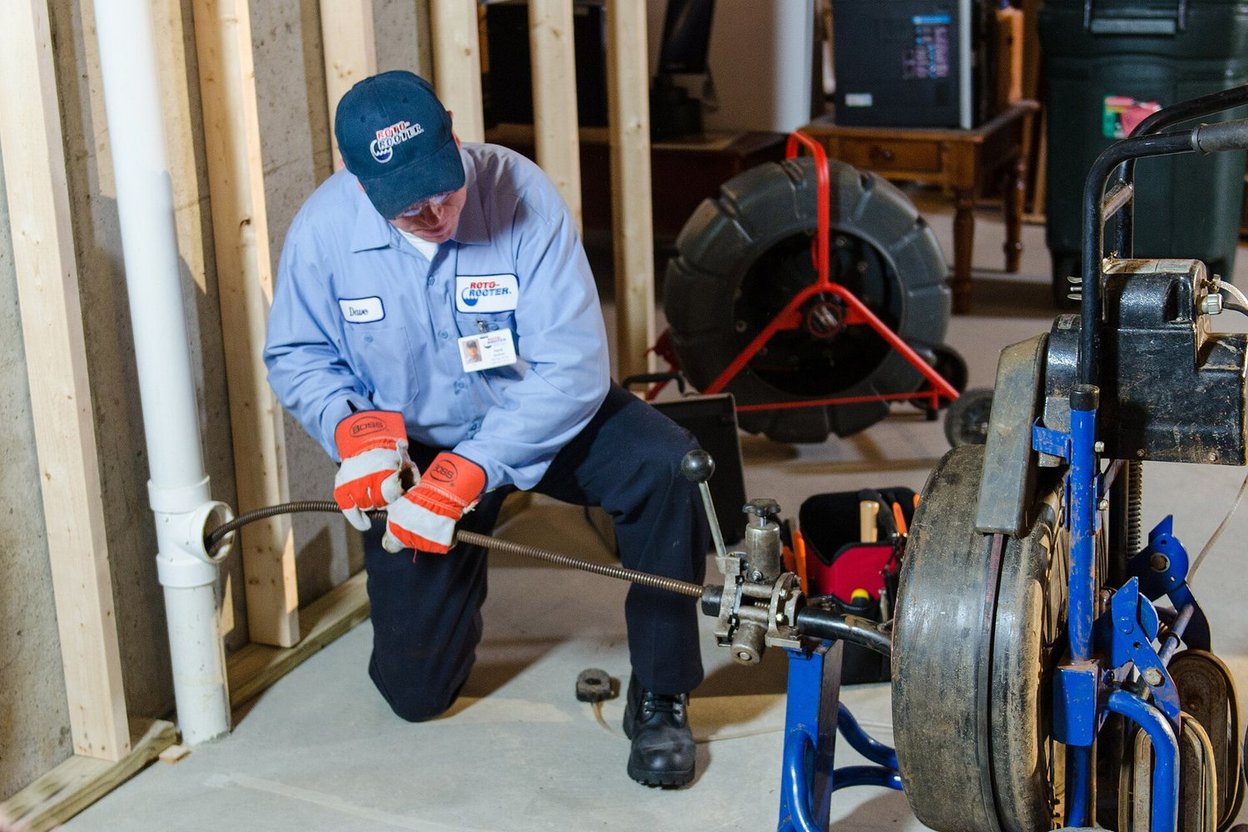
Photo: Roto main5 by Guynamedpaul, CC BY-SA 3.0.
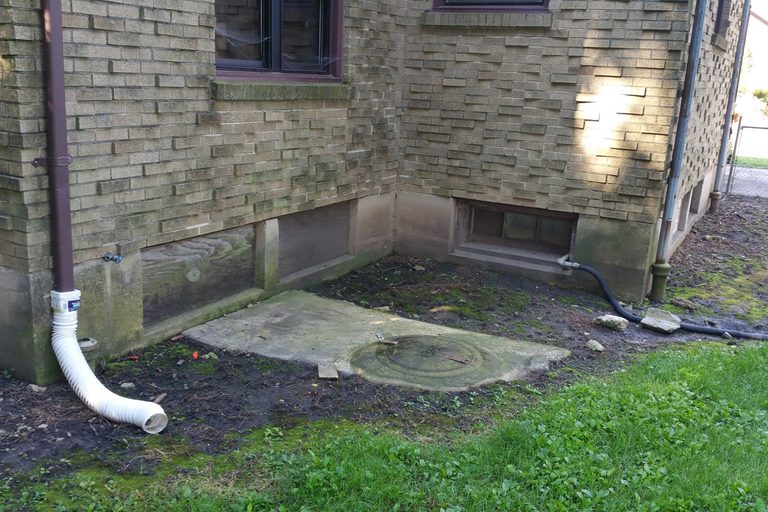
Learn how to find your sewer cleanout, what plumbing codes require, who owns the sewer line, and what a scope or cleanout install costs.
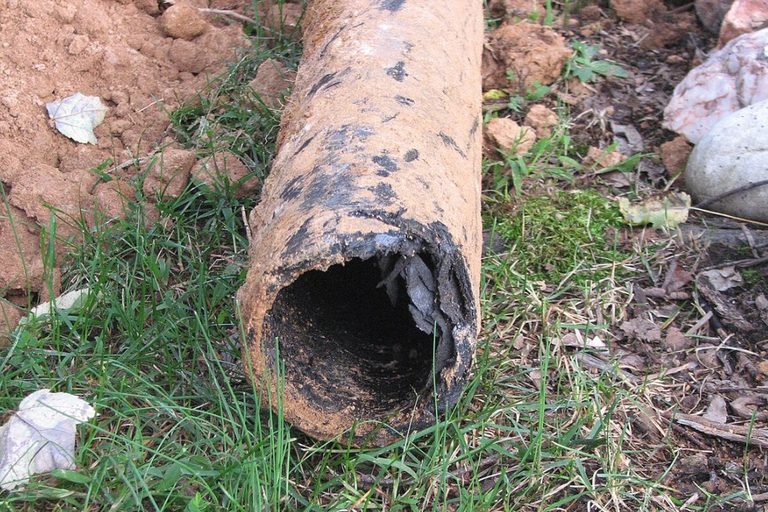
What an inspector looks for on sewer-scope video of Orangeburg pipe: out-of-round walls, blisters, roots, and separated joints.
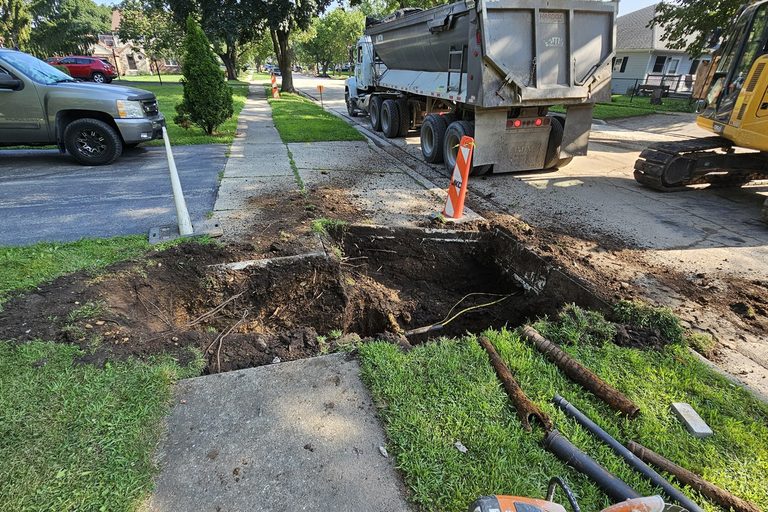
Learn who pays for a broken sewer pipe under the street or sidewalk, how to find your city's rule, and how to prove where the break is.