Plumbing
No cleanout. The backup is how people find out
Learn how to find your sewer cleanout, what plumbing codes require, who owns the sewer line, and what a scope or cleanout install costs.
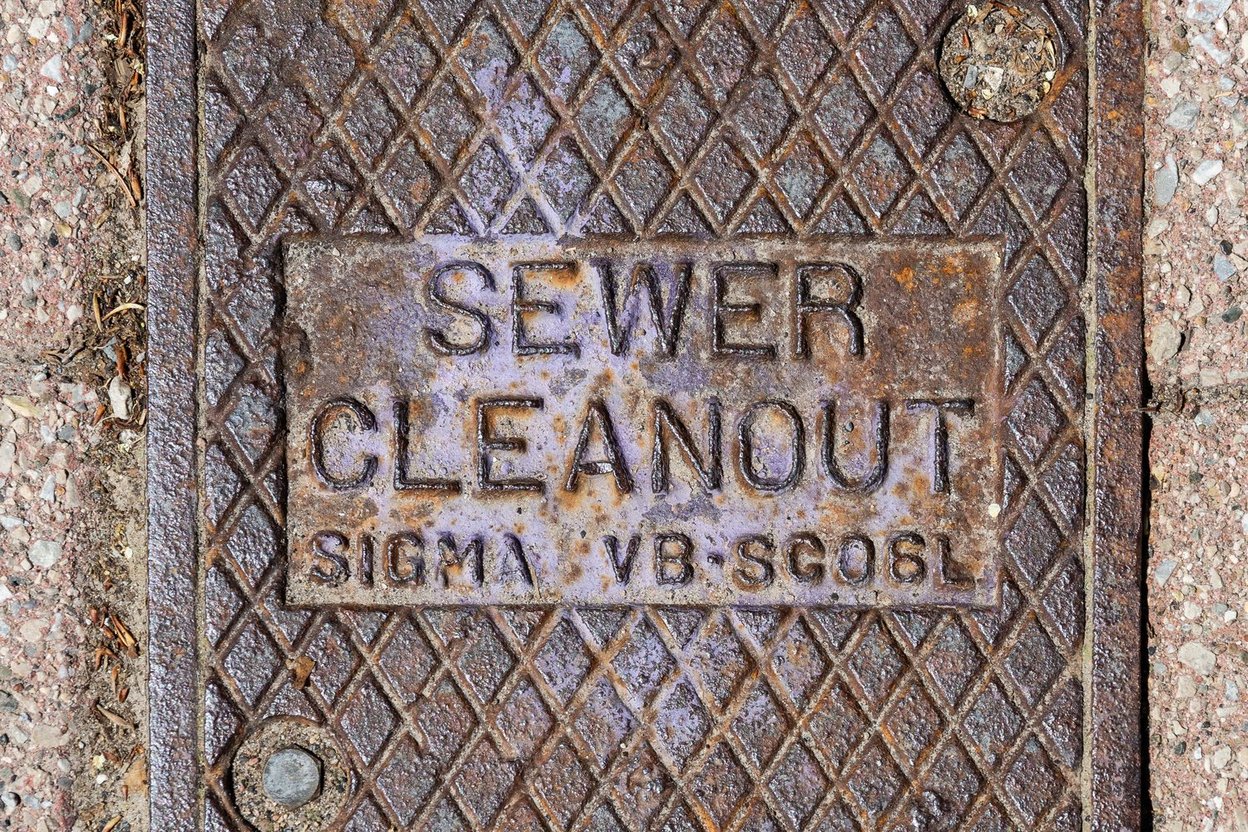
Which houses need a sewer scope before you close, what it costs as of October 2026, what the camera finds, and how to use the results to negotiate.
Pay for a sewer scope if the house is more than about 20 years old, has big trees between the house and the street, was built roughly 1945–1972 (the Orangeburg pipe years), or has a history of slow drains or backups. As of October 2026 a scope usually costs $125 to $500, and less as an add-on to your home inspection. A replacement sewer line usually costs $3,000 to $10,000 and can run past $20,000. Few line items in a home purchase are that cheap compared with what they can save you.
The main reason is simple: your regular home inspection almost certainly doesn't look at the sewer line at all.
The pipe that carries waste from your house to the city main is called the lateral (plumbing codes call it the building sewer). It's underground, so it falls outside a standard inspection. InterNACHI's Standards of Practice list sewer scoping as an optional extra, and the general standards say the inspector isn't required to inspect underground items.
Your inspector will run the sinks, flush the toilets and watch for slow drains. That tells you water leaves the house. It can't tell you whether 60 feet of pipe under the front lawn is cracked, full of roots, or sagging.
In most towns that pipe belongs to you. The homeowner usually owns the lateral from the foundation out to the property line, and sometimes all the way to the main in the street, depending on local ordinance. The day you close, any problem in it is your problem.
Standard homeowners policies typically exclude sewer line damage from wear and tear, tree roots, corrosion and poor installation. Those are exactly the things a scope finds.
Some insurers sell a service line endorsement. Insurify puts it at roughly $30 to $150 a year, with coverage often capped somewhere between $10,000 and $25,000. Even with the endorsement, pre-existing damage and wear and tear are usually excluded. A line that's already broken when you buy is on you, so find out before you close.
Get one if any of these fit the house:
You can usually skip it on a new build or a house where the seller can show a recent full lateral replacement with permit and receipts. Even then, a scope is cheap insurance against a construction crew that crushed the line during backfill.
If the house is on a septic system, the scope covers the line to the tank, not the tank itself. Read Septic System Red Flags and get a separate septic inspection.
Ask for the video file and a written report with the footage marked. The footage is what you'll show the seller and the plumbers you call for repair quotes.
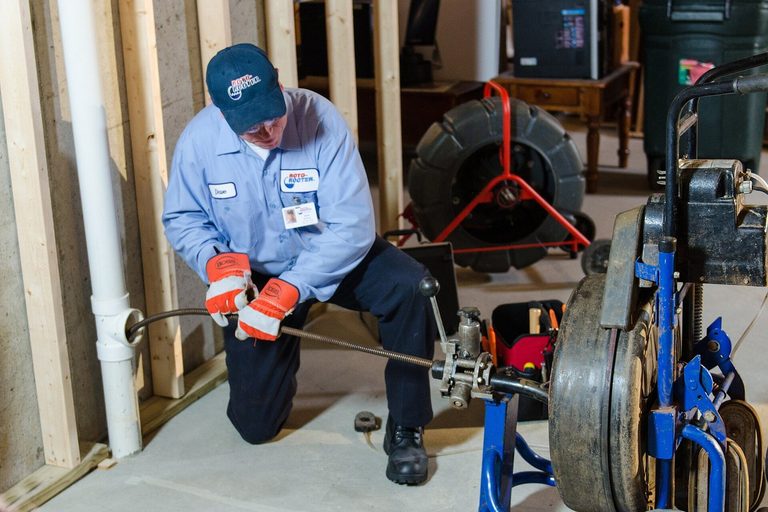
The inspector feeds a camera on a cable through a cleanout and down the line, ideally to the city tap. Here's what the report terms mean.
Ask for the water to be on at the house. The inspector runs water down the line during the scope, and standing water is how bellies show up.
The camera can't see everything. Inspectors are told not to force the camera through an obstruction, and they don't go into the city tap, a backflow device or a septic tank. A report that says "unable to complete, obstruction at 38 feet" is a finding in itself. Something is blocking the line, and you should know what it is before closing.
These are rough national ranges. Depth, length, soil and whether the work is in the street change the number a lot.
Get two quotes. Hand both plumbers the same video so they're pricing the same problem.
The scope is only worth something if it happens inside your inspection contingency window. Book it at the same time as the home inspection. Most inspectors who offer scopes will do both in one visit.
If it finds a real defect, you have three moves:
For how to frame the ask, see Using the Inspection to Negotiate and How to Read a Home Inspection Report Without Panicking.
In a few places a sewer lateral check is required by law. In the East Bay of California (Oakland and neighboring cities), the Regional Private Sewer Lateral Program requires a Certificate of Compliance when a property changes hands. A lateral that passes without repair gets a certificate good for 7 years. A full replacement gets one good for 20. Other cities and sewer districts have their own point-of-sale rules or none at all, so check your city's and state's rules before you write the offer. If the seller has to provide a certificate, ask for a copy early.
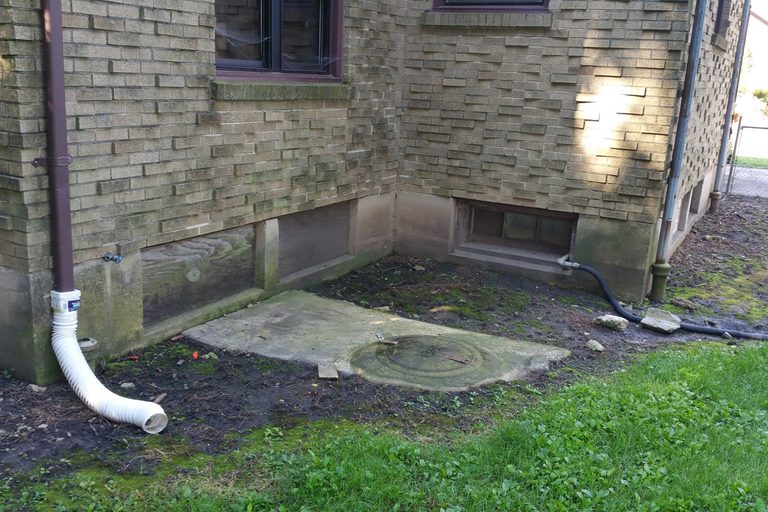
Photo: Sewer cleanout, Amherstburg, Ontario by Wikimedia Commons contributor, Wikimedia Commons (check file page for CC license).
Learn how to find your sewer cleanout, what plumbing codes require, who owns the sewer line, and what a scope or cleanout install costs.
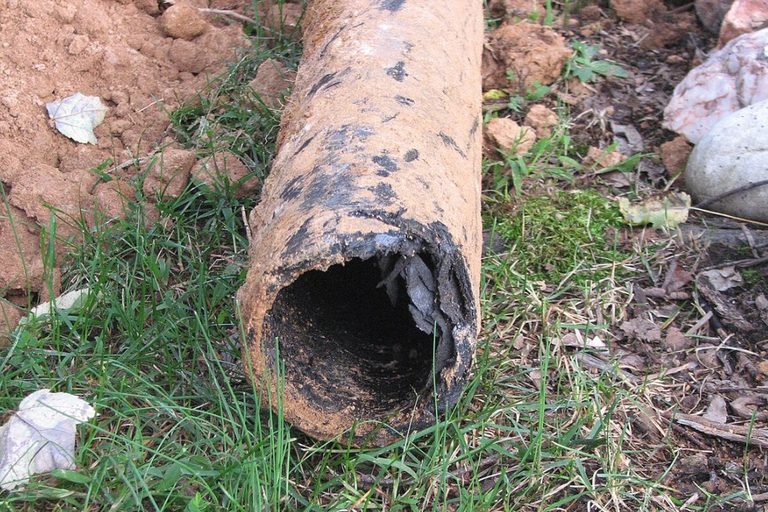
What an inspector looks for on sewer-scope video of Orangeburg pipe: out-of-round walls, blisters, roots, and separated joints.
Is a $250 sewer scope worth it on an older home? See what a camera finds in old lines, what it misses, and what to ask for.