You're walking through the house the week before closing. The paint is fresh, the counters are spotless, and the builder's rep says it passed every city inspection. It's tempting to skip your own inspector. You need one anyway, and you need a checklist to go with it. "New" doesn't mean "flawless," and the builder's warranty clock starts running on day one. Anything you find, write down, and report early is far easier to get fixed than something you discover after the warranty has expired.
01What an inspection is, and what it isn't
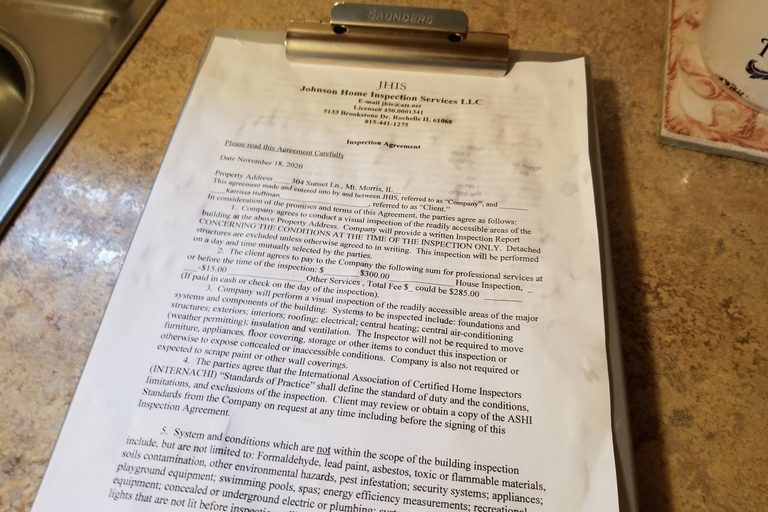
Start by knowing what you're paying for. A standard home inspection is a non-invasive visual examination. It isn't a building-code compliance check. The InterNACHI Standards of Practice say so, and the American Society of Home Inspectors (ASHI) standards specifically exclude determining compliance with past or present building codes, regulations, or ordinances. In Texas, state law and Texas Real Estate Commission rules say licensed inspectors aren't required to inspect to today's building codes. The same rules bar an inspector from also acting as the real estate agent in the same deal.
So your inspector reports what they can see and operate: what's damaged, what's missing, and what doesn't work. Some states require that in writing. Florida, for example, requires licensed inspectors to give a written report identifying systems and components that are significantly deficient or near the end of their service lives.
An appraisal won't fill that gap. For FHA borrowers, HUD requires a disclosure form titled "For Your Protection: Get a Home Inspection." It explains that an appraisal estimates market value for the lender and doesn't verify the home's condition. It also states that FHA doesn't guarantee condition or repair defects. The Consumer Financial Protection Bureau gives the same warning: a lender's appraisal is no substitute for an inspection you hire yourself.
There is builder paperwork on FHA-financed new homes. Form HUD-92541 has the builder certify the plans, specifications, and site against HUD's Minimum Property Standards. Form HUD-92544, the "Warranty of Completion of Construction," has the builder certify that the home was built in substantial conformity with the approved plans. Both are useful documents to keep. Both are signed by the builder, though, and neither replaces an independent set of eyes.
02Why timing matters: the warranty clock
Most of what a new-construction inspection buys you comes through the builder's warranty. According to the Federal Trade Commission, builder warranties typically cover:
- 1 year for materials and workmanship, such as siding, drywall, and paint
- 2 years for major systems: heating and cooling, plumbing, and electrical
- Up to 10 years for major structural defects
Some states write those terms into law. Minnesota Statutes Section 327A.02 and New Jersey's New Home Warranty and Builders' Registration Act both set statutory warranties of 1 year for workmanship and materials, 2 years for electrical, plumbing, and HVAC systems, and 10 years for major structural defects.
Read your purchase contract to see what leverage you have before closing. The CFPB notes that an inspection contingency lets a buyer cancel without penalty or negotiate repairs or credits. Builder contracts don't always work that way, though. Many route defects through the builder's warranty process rather than a price renegotiation, so don't assume an inspection report will lower your price.
If a dispute escalates, the rules can be specific. In Texas, Property Code Section 27.004 requires a homeowner with a construction defect claim to send the contractor written notice by certified mail at least 60 days before filing suit. The contractor can then make up to three inspections within 35 days and submit a written settlement offer. A dated, detailed inspection report is the foundation for any of that.
03The checklist
Use this list to walk through the house with your inspector, or on your own before the final walk-through. Where a code number is given, it's a useful benchmark from the International Residential Code (IRC) or National Electrical Code (NEC). Your area may have adopted a different edition or local amendments, and your inspector isn't obligated to rule on code compliance.
Outside: grading, steps, and surfaces
- Ground slope. IRC Section R401.3 calls for the ground to fall at least 6 inches within the first 10 feet from the foundation walls. Driveways, walks, and other hard surfaces within 10 feet should slope at least 2 percent away from the house. Look for soil sloping toward the foundation or puddles against it after rain.
- Stair handrails. IRC Section R311.7.8 requires a handrail on at least one side of any stair flight with four or more risers. Under R311.7.8.1, the handrail should sit between 34 and 38 inches high, measured vertically from the line of the stair nosings. Check porch, deck, and basement stairs, and shake each rail to make sure it's solid.
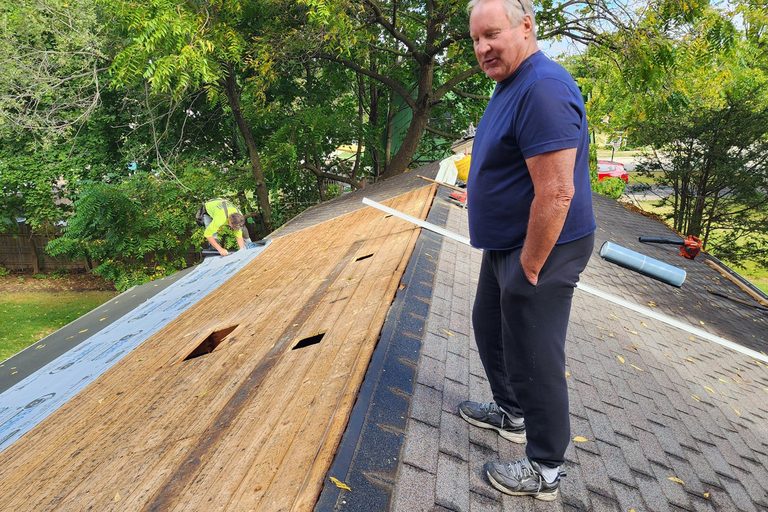
- Roof, siding, windows, and doors. Look for missing or damaged shingles, gaps or loose pieces in the siding, and windows and doors that stick, don't latch, or let daylight through. These usually fall under the 1-year workmanship coverage, so they're the items to catch first.
Plumbing
- Water pressure. IRC Section P2903.3.1 caps static water pressure inside the house at 80 psi. Where the street supply is higher, the code requires an approved pressure-reducing valve (ASSE 1003). A cheap gauge on an outdoor hose bib gives you a reading. If it's above 80 psi and there's no reducing valve, flag it.
- Fixtures and drains. Run every faucet hot and cold, fill and drain every tub and sink, flush every toilet, and look under each sink for drips.
Electrical
- GFCI protection. These outlets cut power when current leaks to ground. NEC Section 210.8(A) requires them in bathrooms, kitchens (all kitchen receptacles, not just the countertop ones), basements, crawl spaces, outdoors, and within 6 feet of tubs and showers. Look for a test/reset button on the outlet or a GFCI breaker in the panel.
- AFCI protection. These breakers or outlets guard against arcing faults. NEC Section 210.12 requires them on 120-volt, 15- and 20-amp branch circuits feeding outlets in kitchens, family rooms, dining rooms, living rooms, bedrooms, sunrooms, recreation rooms, closets, and hallways. Ask the inspector to note which circuits in the panel are AFCI-protected.
- Switches and outlets. Every switch should work and every cover plate should be secure. Note any outlet that's dead.
Smoke and carbon monoxide alarms
- Smoke alarm placement. The U.S. Consumer Product Safety Commission says smoke alarms belong on every level of the home, outside each sleeping area, and inside each bedroom.
- Smoke alarm power. IRC Section R314.6 requires smoke alarms in new homes to be hardwired to the house's electrical service, with no disconnecting switch, and to have battery backup.
- CO alarms. IRC Section R315 requires carbon monoxide alarms outside each separate sleeping area near the bedrooms, on every occupiable level, and inside any bedroom that contains a fuel-burning appliance.
- Test them yourself. Both InterNACHI and ASHI standards require inspectors only to report whether alarms are present. They aren't required to test operation or calibration. Press the test button on each one before you move in.
Kitchen and appliances
- Cabinets and counters. Open every door and drawer, and look for chips, cracks, and uneven seams in the countertops.
- Appliances. Expect the inspector to check that built-in appliances run. Don't expect a full workout. Under the InterNACHI standards, inspectors aren't required to run self-cleaning oven cycles, test microwaves for radiation leakage, or operate small appliances. If you want those checked, do it yourself while the 1-year coverage is fresh.
Extras worth asking about
- Radon test. The U.S. Environmental Protection Agency recommends testing every home for radon, new construction included. It advises fixing the problem when indoor levels reach or exceed 4.0 picocuries per liter. A brand-new house isn't exempt, and the test is often available as an add-on to the inspection.
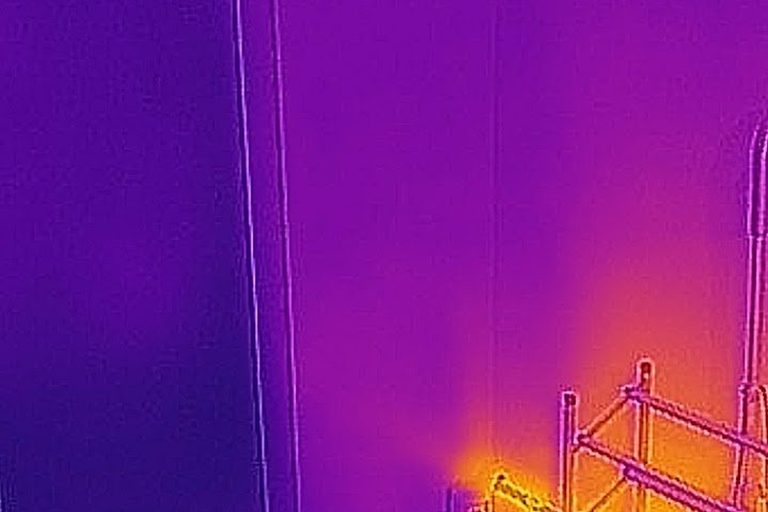
- Thermal imaging. Infrared cameras can point to missing insulation or hidden moisture. They're a supplemental tool, not part of a standard inspection, and InterNACHI advises confirming any anomaly through normal visual or physical checks. If you want a thermal scan, ask whether it's included and what it costs.
04After the report: turning findings into fixes
An inspection only pays off if the findings get fixed. Send the builder the report, or a list drawn from it, in writing. Keep copies and dated photos, and track which warranty period each item falls under: 1 year for finishes and workmanship, 2 years for systems, longer for structure.
One suggestion, not a rule: book a second inspection shortly before the first anniversary of closing. By then the house has been through a full cycle of seasons, settling cracks and drainage problems have had time to appear, and the 1-year workmanship coverage is still in force. That's a good moment to give the builder one more complete written list while you still have a warranty to back it up.
Sources (44)
- InterNACHI Standards of Practice: nachi.org
- InterNACHI Home Energy Inspection Standards: nachi.org
- InterNACHI (inspection scope reference): nachi.org
- InterNACHI forum (thermal imaging and testing tools): forum.nachi.org
- ASHI Reporter, "Code Conundrums: Plumbing": homeinspector.org
- ASHI Reporter, "Standards of Practice": homeinspector.org
- ASHI Reporter, "The New ASHI Home Inspection Standard and You": homeinspector.org
- Texas Real Estate Commission, Inspector Standards of Practice: trec.texas.gov
- TREC Standards of Practice, printable version: trec.texas.gov
- Florida Statutes §468.8323: leg.state.fl.us
- Florida Statutes §468.8311: leg.state.fl.us
- HUD, "For Your Protection: Get a Home Inspection": files.hudexchange.info
- Pennsylvania Association of Realtors, "For Your Protection" form: parealtors.org
- HUD forms library: hud.gov
- HUD archives, builder certification reference: archives.hud.gov
- HUD Form 92544, Warranty of Completion of Construction: hud.gov
- HUD Handbook 4070.1: hud.gov
- IRC 2021 Section R401.3: codes.iccsafe.org
- IRC 2018 Section R401.3: codes.iccsafe.org
- IRC 2021 Section R311.7.8: codes.iccsafe.org
- Florida Residential Code 2020 Section R311.7.8.1: codes.iccsafe.org
- Minnesota Residential Code 2015, Chapter 3: codes.iccsafe.org
- IRC 2018 Section P2903.3.1: codes.iccsafe.org
- IRC 2000, Chapter 29: codes.iccsafe.org
- NEC 210.8 GFCI content: electricallicenserenewal.com
- Leviton Captain Code, GFCI requirements: captaincode2020.leviton.com
- ExpertCE, "Where Are AFCI Breakers Required (NEC 210.12)": expertce.com
- NEC 210.12 AFCI content: electricallicenserenewal.com
- CPSC, CO Alarms: cpsc.gov
- CPSC, "Change Your Clocks, Change Your Batteries": cpsc.gov
- IRC 2021 Section R314.6: codes.iccsafe.org
- IRC 2021, Chapter 3: codes.iccsafe.org
- IRC 2021 Section R315: codes.iccsafe.org
- Utah Residential Code Section R315.3: codes.iccsafe.org
- EPA, Radon-Resistant New Construction for Home Buyers: epa.gov
- EPA, "Buying a New Home: How to Protect Your Family from Radon": epa.gov
- FTC, Warranties for New Homes: consumer.ftc.gov
- FTC, "So What's the Deal with Home Warranties?": consumer.ftc.gov
- Minnesota Statutes §327A.02: revisor.mn.gov
- New Jersey New Home Warranty Program: nj.gov
- Texas Property Code §27.004: statutes.capitol.texas.gov
- Texas Property Code (full text): statutes.capitol.texas.gov
- CFPB, Schedule a Home Inspection: consumerfinance.gov
- CFPB, Essential Steps to Close Your Home with Confidence: consumerfinance.gov