Plumbing
No cleanout. The backup is how people find out
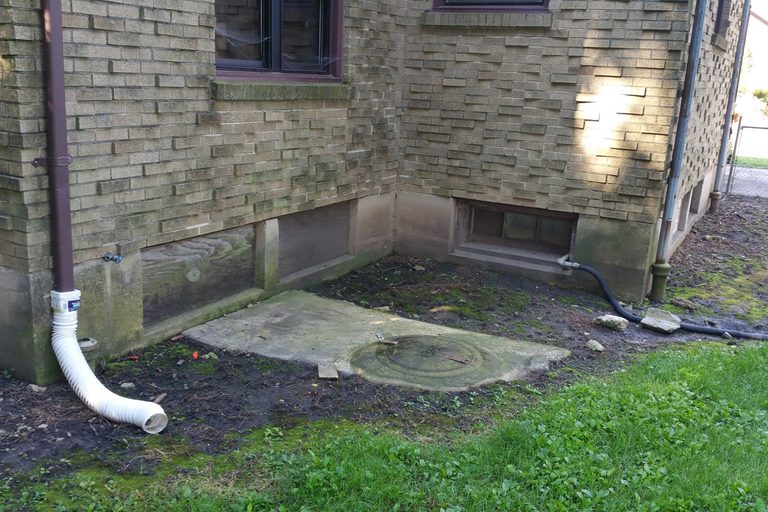
Learn how to find your sewer cleanout, what plumbing codes require, who owns the sewer line, and what a scope or cleanout install costs.
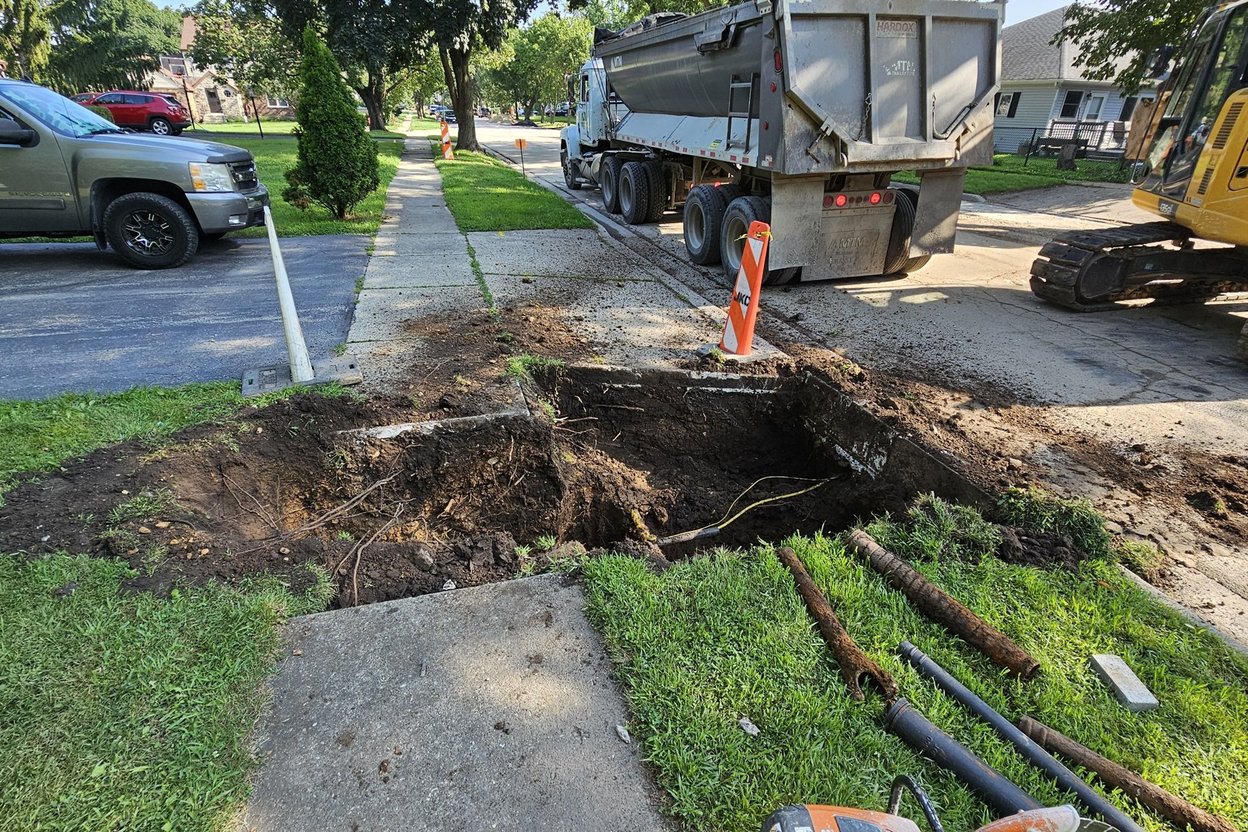
Learn who pays for a broken sewer pipe under the street or sidewalk, how to find your city's rule, and how to prove where the break is.
You see a sewer-scope report showing a break under the sidewalk or street, and the repair estimate is yours to sort out. You may have to pay for a bad section past your property line because local sewer rules, not the lot boundary, determine who owns and repairs the lateral.
Some cities put the full line to the public main on the property owner. Others split responsibility at the property line or curb. In a few places, owners remain responsible for the line, while a fee-funded public program helps pay for repairs in the right-of-way.
You may have to pay for a bad sewer pipe past your property line; your local ordinance sets responsibility, not the lot boundary. In nearly every arrangement, the city or utility handles the public sewer main itself.
Three common setups determine who pays for the lateral:
The details matter when a camera finds a defect near a boundary. A break under a sidewalk could fall on the owner or the utility, depending on the city’s definition of the maintained section. Some programs also have eligibility rules or limited funds.
Confirm the rule for your exact address with the sewer utility or city department, and ask for its answer in writing. A city’s general guidance may not resolve which side of a curb, property line, or fitting contains the defect.
Responsibility changes by city, and the dividing point may be the main, property line, curb, or a public repair program.
Use the city’s written rule and a sewer-scope report with distance readings to establish who is responsible for the defect.
A distance reading helps locate the defect along the line, though the report still needs to identify where the main begins. If the video or report leaves that point unclear, ask the plumber to state the defect’s location and the estimated distance to the main in writing.
The city or utility almost always handles a problem in the public sewer main; in split systems, it handles the section assigned to it.
Your responsibility can still include a charge if your work or property caused damage to the utility’s section. In Washington, D.C., the utility bills owners for damage they caused, and DC Water generally does not pay for damage from sewer backups.
Send the utility the sewer-scope video, the distance reading to the defect and main, and a plumber’s written finding. Ask it to confirm whether the defect lies in a publicly maintained section and whether it will inspect or repair that section. Keep the response with the report and any repair estimate.
Insurance endorsements and city programs can help with some sewer-line costs, though coverage depends on the policy and the program’s rules.
Standard homeowners policies usually exclude wear-and-tear failures of a sewer line. Optional service-line or sewer-backup endorsements exist, so read the policy wording and confirm what the endorsement covers, including any limits and deductible.
New York City directs owners to homeowners insurance or the DEP-endorsed AWR Service Line Protection Program. Seattle offers interest-free loans to qualifying low-income customers.
St. Louis County may reimburse an insurance deductible for eligible repairs. The program does not restore driveways, sidewalks, or landscaping, and it keeps a waiting list when funds run short. Ask the program administrator about eligibility and the work covered before scheduling repairs.
Some local programs make lateral compliance part of closing, so check the requirement before you reach escrow.
In the East Bay Municipal Utility District’s program area in California, a property needs a Compliance Certificate showing a leak-free lateral to close escrow. A Time Extension Certificate backed by a refundable $4,500 deposit is another option. You and the seller negotiate who arranges and pays for the work.
Ask your real estate agent or title company whether the city or sewer district for the property has a similar sale-time rule. If it does, confirm the required certificate, deposit, and deadline before closing.
Learn how to find your sewer cleanout, what plumbing codes require, who owns the sewer line, and what a scope or cleanout install costs.
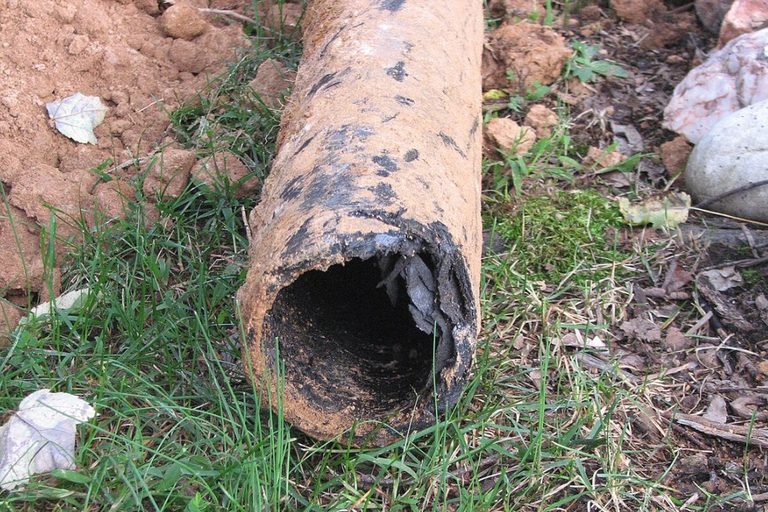
What an inspector looks for on sewer-scope video of Orangeburg pipe: out-of-round walls, blisters, roots, and separated joints.
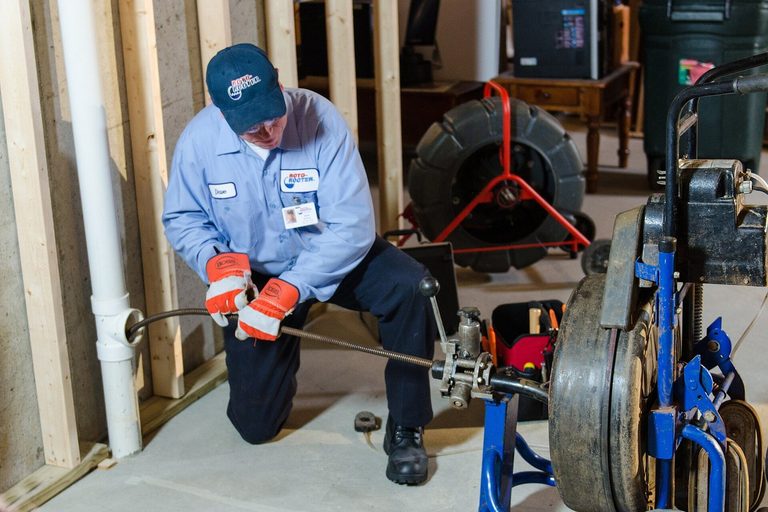
Is a $250 sewer scope worth it on an older home? See what a camera finds in old lines, what it misses, and what to ask for.