Exterior
How Mice Get In Every Fall: A Homeowner's Check for Entry Points
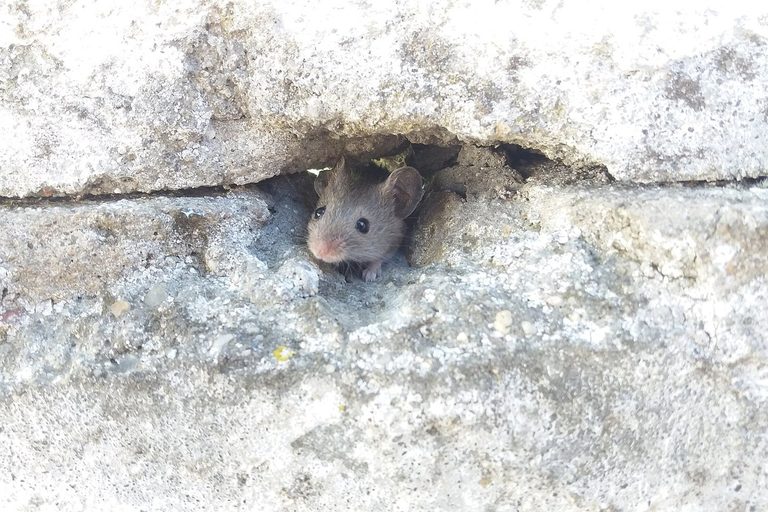
Mice need a gap about 1/4 inch wide. Here's where to look outside and inside, what to seal each gap with, and how to clean up droppings safely.
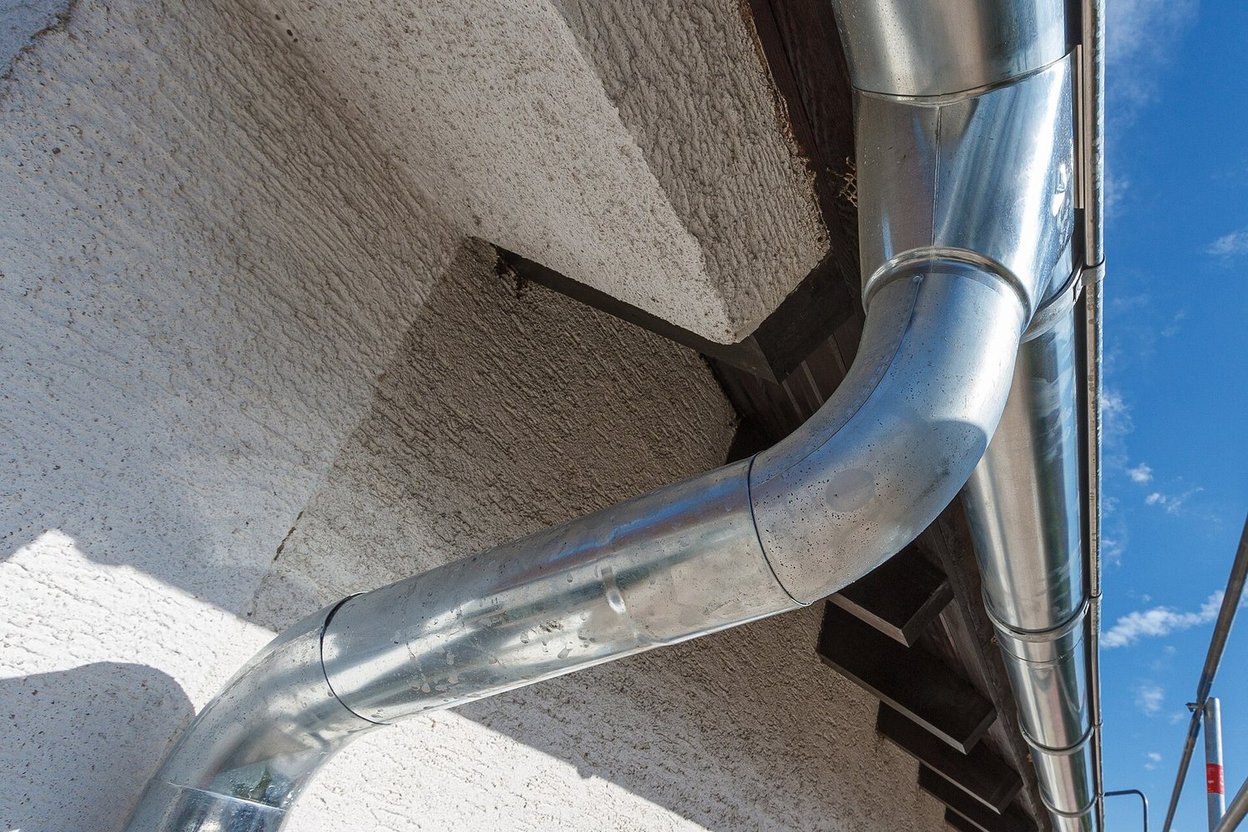
Most wet basements start at the roof edge. How to check gutters and downspouts in a fall rain, the slope and extension rules, and the quick fixes that keep water away from your foundation.
Every inch of rain on a roof sends a lot of water to the gutters. Where that water ends up decides whether your basement stays dry, your foundation stays sound and your landscaping survives. Fall, when the leaves come down and the rain picks up, is the best time to check.
The single best inspection you can do is to walk around the house during a steady rain with an umbrella. Look for:
If water is shooting over the gutter at the bottom of a steep roof valley, see preventing gutter overshoot.
On a dry day, from a safe ladder (or with binoculars from the ground):
Water that leaves the downspout has to keep moving away. The soil around your foundation should slope away from the house; building codes often call for about 6 inches of drop in the first 10 feet. Low spots, settled soil and mulch piled against the siding all send water back toward the basement.
Clogged gutters freeze solid in winter, and they help cause ice dams. See ice dams: how to spot the risk. Make sure everything flows before the first hard freeze, and keep downspout outlets clear of snow.
Ladder work causes a lot of injuries every year. Use a sturdy ladder on firm, level ground, keep three points of contact, and don't reach out past the ladder rails. For two-story houses or steep roofs, a gutter cleaning service is worth it.
Water you keep away from the house is water you'll never have to pump out of the basement. Add this to your fall home inspection checklist.
Photo: 002 2011 08 15 Regenwasserableitung by Friedrich Haag, CC BY-SA 4.0.
Mice need a gap about 1/4 inch wide. Here's where to look outside and inside, what to seal each gap with, and how to clean up droppings safely.
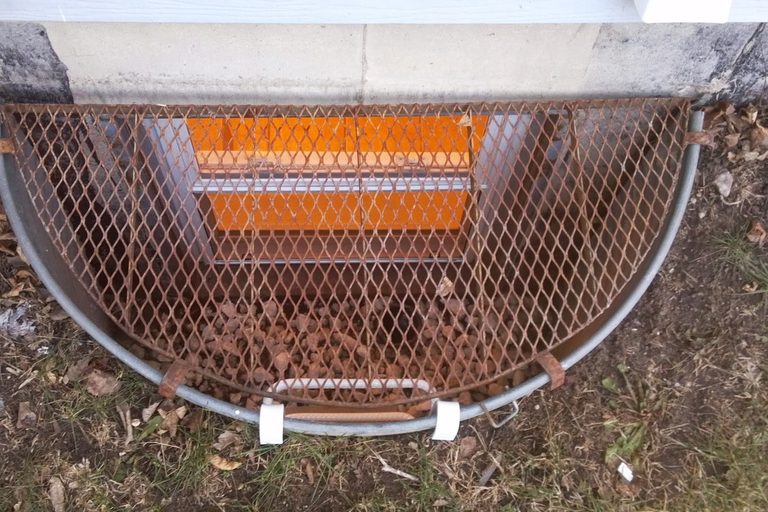
Basement window wells flood, collect leaves, trap animals, and sometimes are the only way out in a fire. How to check the well, the drain and the cover, and what makes a…
Snow adds weight to a deck that's been baking and soaking all year. How to check the ledger board, flashing, posts, fasteners, railings and stairs in an afternoon, and the warning signs…