Exterior
How Mice Get In Every Fall: A Homeowner's Check for Entry Points
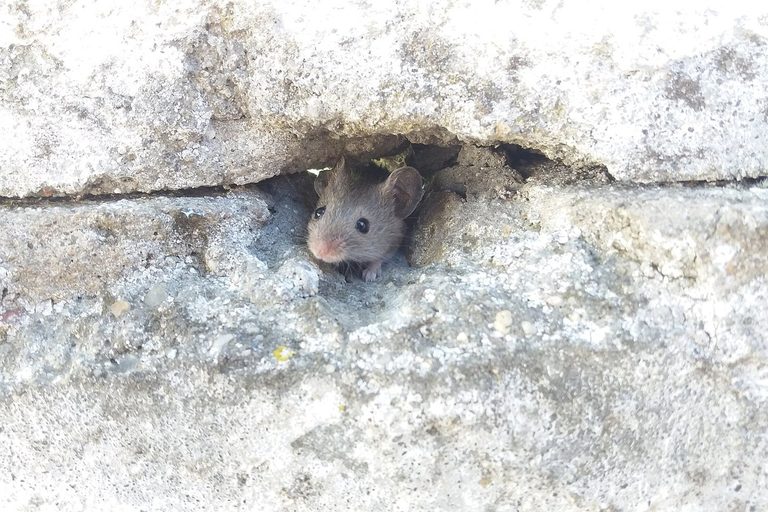
Mice need a gap about 1/4 inch wide. Here's where to look outside and inside, what to seal each gap with, and how to clean up droppings safely.
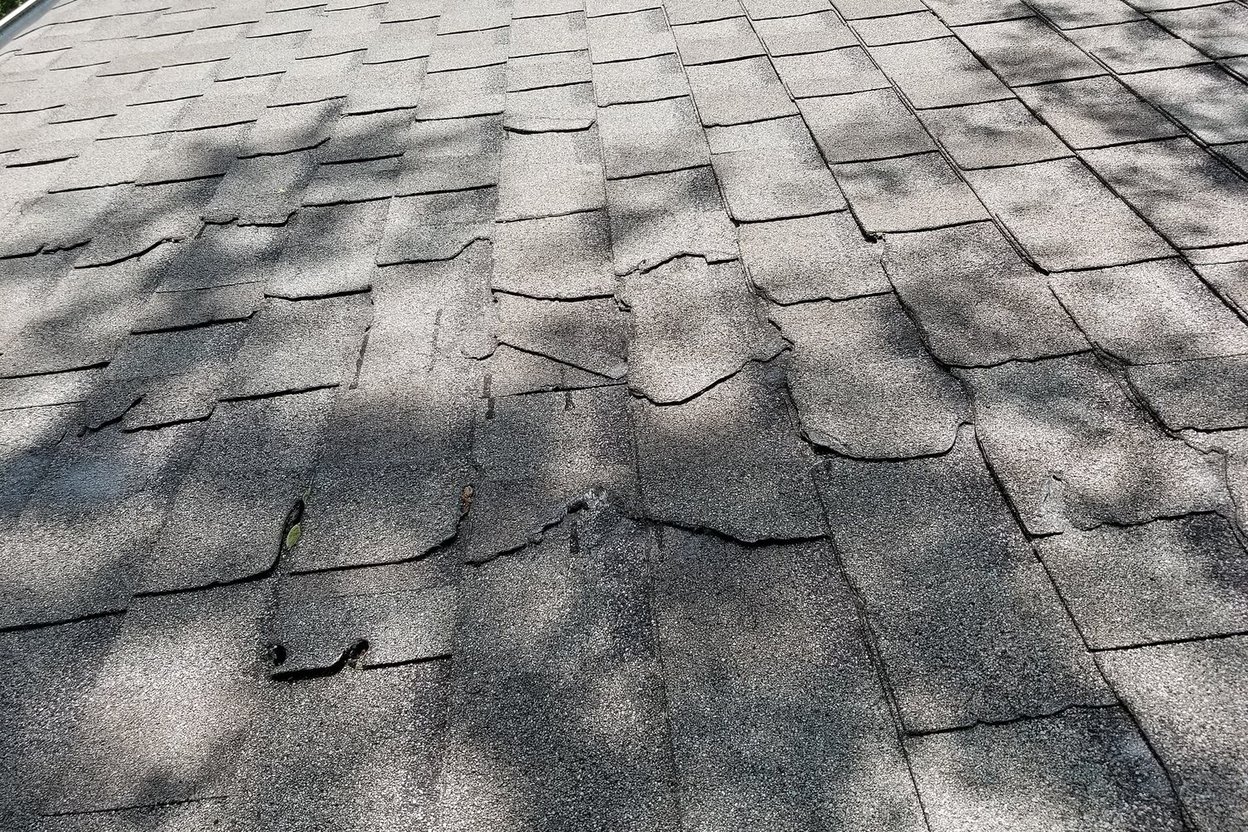
You don't have to climb a ladder to check your roof before winter. What to look for from the yard with binoculars, what the gutters tell you, and what to find in the attic.
Most roof problems can be spotted without ever leaving the ground. That matters, because falls from ladders and roofs send thousands of people to the emergency room every year, and fall weather makes shingles slick with leaves and frost. A pair of binoculars, a flashlight and twenty minutes will tell you whether you need a roofer before winter.
Walk all the way around the house. Look at each side of the roof, in good daylight.
Gutters are the roof's report card. A handful of shingle granules in the gutter or at the bottom of the downspout is normal. Piles of them mean the shingles are wearing out. While you're there, make sure the water is going where it should; our guide to gutters and downspouts covers that.
The attic shows you what the outside can't.
Look at the ceilings on the top floor, and in closets nobody opens. A brown stain, bubbling paint or a soft spot under a bathroom fan or a chimney is a leak until proven otherwise.
A roofer can get up there safely, and many will look for free. Don't wait until snow is on it; inspecting a roof under snow is much harder.
Photo: Asphalt shingles damage by Samuel Bolton, CC BY-SA 4.0.
Mice need a gap about 1/4 inch wide. Here's where to look outside and inside, what to seal each gap with, and how to clean up droppings safely.
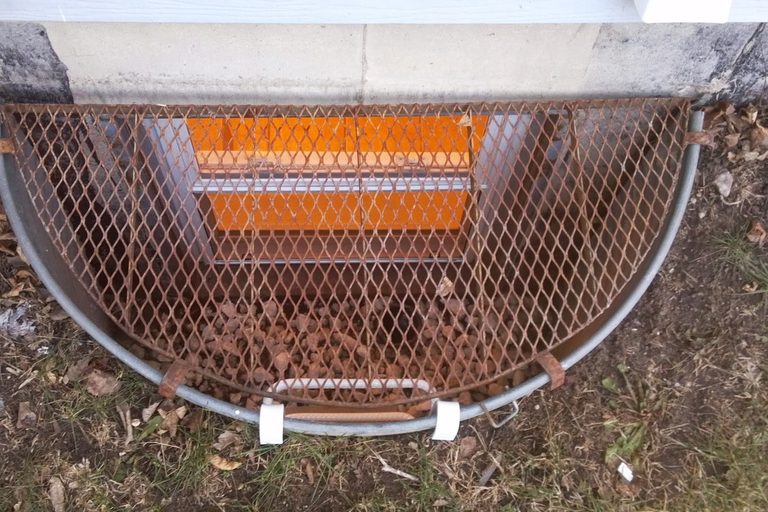
Basement window wells flood, collect leaves, trap animals, and sometimes are the only way out in a fire. How to check the well, the drain and the cover, and what makes a…
Snow adds weight to a deck that's been baking and soaking all year. How to check the ledger board, flashing, posts, fasteners, railings and stairs in an afternoon, and the warning signs…