Exterior
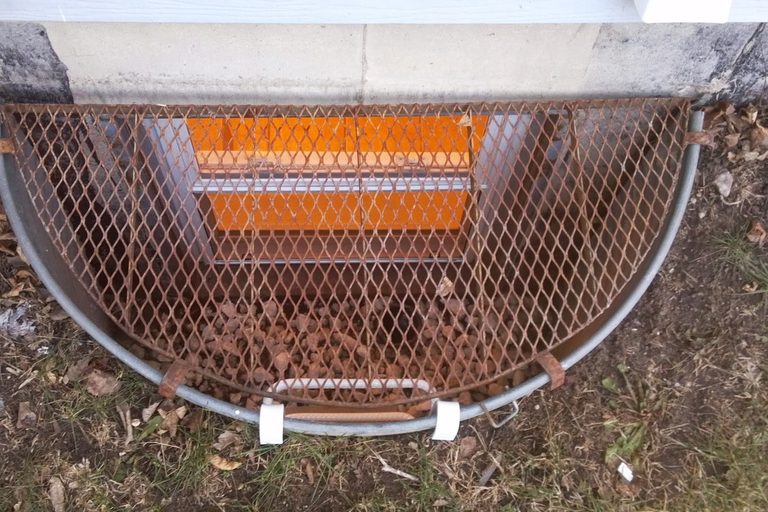
Window Wells and Basement Egress: Covers, Drains and a Way Out
Basement window wells flood, collect leaves, trap animals, and sometimes are the only way out in a fire. How to check the well, the drain and the cover, and what makes a…
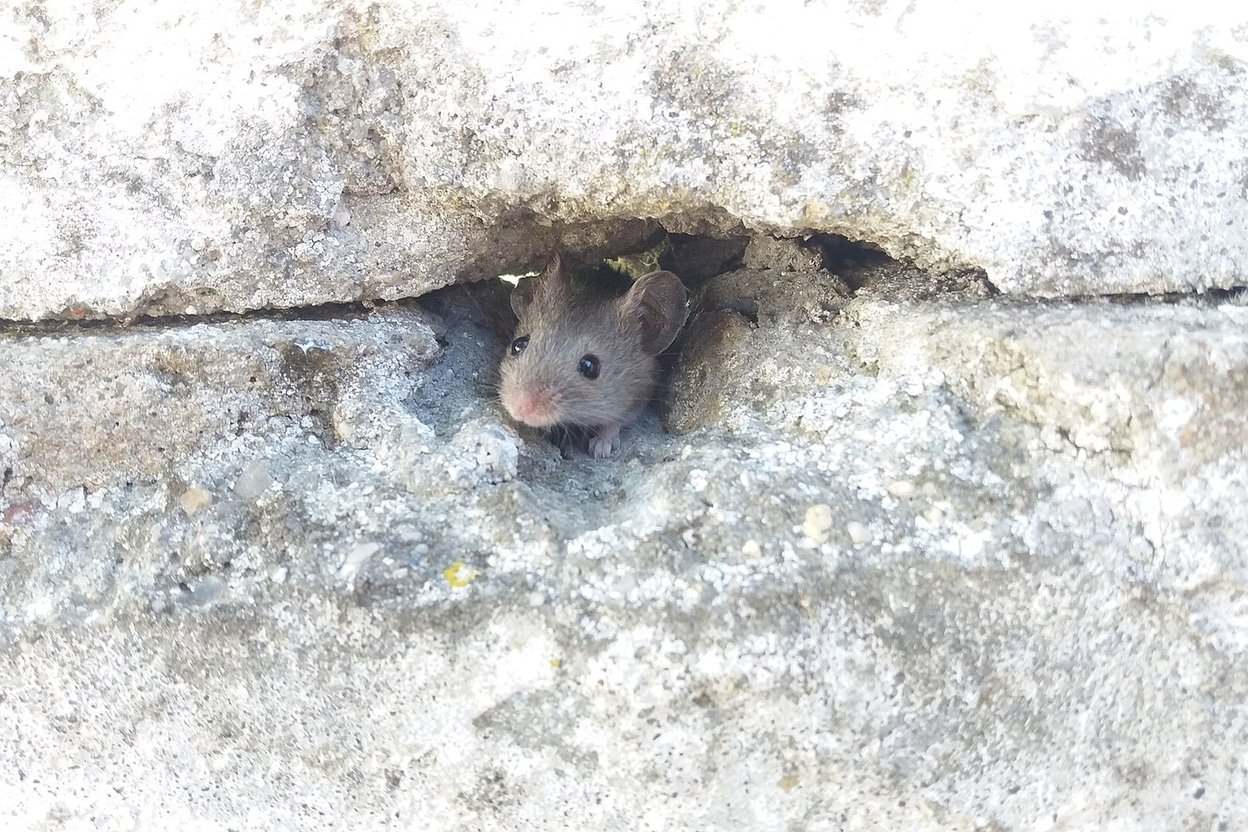
Mice need a gap about 1/4 inch wide. Here's where to look outside and inside, what to seal each gap with, and how to clean up droppings safely.
Mice get in through gaps about 1/4 inch wide, roughly the width of a pencil. In fall they use the same few spots in almost every house: utility pipe and wire holes, the bottom of doors and garage doors, the joint where the foundation meets the siding, and vents. Go around the outside with a flashlight and a pencil, push the pencil into every gap you find, and seal any hole it fits into with metal, not foam.
The rest of this post gives you the walk-around in order, then the inside check, then which material goes in which gap.
Once nights get cold, mice start looking for somewhere warm, and the warmest place around is your house. The CDC says a mouse can fit through a hole the width of a pencil (1/4 inch, or 6 mm). The University of California IPM program puts it at gaps 1/4 inch tall and openings 3/8 inch wide.
That's why you carry a pencil instead of guessing. If the pencil goes in, a mouse can get in. Gaps that look like hairline shadows from standing height often turn out to be wide enough when you get down and check.
Mice also climb. University of Nebraska Extension notes in its rodent-proofing guide that house mice can climb almost any rough vertical surface and jump about 18 inches straight up. Brick, stucco and the corner trim on siding are ladders to them, so you check high spots as well as low ones.
Do this in daylight, then again at dusk with a flashlight, when gaps around doors are easier to see. Start at one corner and work all the way around.
As you go, cut back shrubs and ivy touching the house and pull mulch and stacked firewood a foot or two away from the foundation. You need to see the gaps to seal them, and that cover is where mice wait.
The CDC's list of inside spots to look reads like a plumber's route through the house. These are the places worth a flashlight:
In the basement, look up at the rim joist, the band of wood sitting on top of the foundation wall. Every pipe and wire that goes outside passes through it, and the gaps are often stuffed with fiberglass, which doesn't stop a mouse. If you have a crawl space, the crawl space check covers pests along with moisture.
UC IPM lists the signs to look for: droppings, fresh gnaw marks, tracks, and a musky smell. Look in the back corners of the lower kitchen cabinets, inside the drawer under the oven, along basement walls and on top of the sill plate.
Also listen. Scratching inside the walls or ceiling at night that starts in the fall is usually rodents, not the house settling. The house noises post explains how to tell them apart.
If you find droppings, seal and trap together. If you only seal, mice already inside stay in. If you only trap, new ones keep coming in. UC IPM says a plain wooden snap trap is the cheapest option. Set the trigger light, and place traps behind objects, in dark corners, and wherever you've seen signs.
Mice chew through soft materials. UC IPM is blunt about it: plastic screening, rubber, vinyl, expanding foam and wood are ineffective as barriers. Here's what works, by gap size.
Small holes around pipes and wires (up to about an inch). Pack the gap tight with copper mesh or steel wool, then caulk over it so it stays in. The CDC says caulk or spray foam is fine over the steel wool; the metal is what stops the chewing. UC IPM warns that steel wool can rust over time, so outside or in damp basements, copper or stainless mesh lasts longer. A 20-foot roll of Stuf-Fit copper mesh ran about $17 to $33 at online retailers as of October 2026.
Larger holes and vent openings. Use 1/4-inch galvanized hardware cloth. Nebraska Extension specifies 24 gauge, 1/4 x 1/4-inch mesh for mice; half-inch mesh is sized for rats and lets mice through. The CDC also lists lath screen, metal sheeting and cement for larger holes.
Foundation cracks and gaps at the sill. Use mortar, concrete patch or sheet metal flashing. Nebraska Extension says that edges mice can chew, like door bottoms, can be wrapped in metal.
Doors. Install a door sweep or a new threshold so the gap stays under 1/4 inch. For the garage, replace the bottom seal and look at the retainer track it slides into. A bent track leaves gaps at the ends.
Dryer vents. Don't put a screen or hardware cloth over the dryer vent hood. The International Residential Code (section M1502 in recent editions) requires a backdraft damper on the dryer exhaust and says screens shall not be installed there, because lint builds up on mesh and becomes a fire hazard. If mice get in through the dryer vent, fix or replace the hood so the damper closes, and clean the line. The dryer vent check shows how. Local codes vary, so check yours.
Brick weep holes. Those small gaps at the bottom of a brick wall let water drain out from behind the brick. Don't caulk them shut. Pest-control and exclusion guides recommend weep-hole covers or a loose roll of mesh that lets water through but keeps mice out.
The same goes for attic soffit and gable vents: cover them with mesh, never solid material. Your attic needs that airflow, as the attic ventilation post explains.
Don't sweep or vacuum droppings or nests. The CDC's cleanup guidance warns that doing so can put virus particles into the air, which is how people catch hantavirus from deer mice. Do this instead:
If you're going around the house anyway, add this to your fall inspection checklist and do it on the same weekend you winterize the outdoor faucets. Many of the gaps are in the same places.
Photo: A mouse in a hole in a wall 2 by Sérgio R R Santos, CC0.
Basement window wells flood, collect leaves, trap animals, and sometimes are the only way out in a fire. How to check the well, the drain and the cover, and what makes a…
Snow adds weight to a deck that's been baking and soaking all year. How to check the ledger board, flashing, posts, fasteners, railings and stairs in an afternoon, and the warning signs…
You don't have to climb a ladder to check your roof before winter. What to look for from the yard with binoculars, what the gutters tell you, and what to find in…