Plumbing
No cleanout. The backup is how people find out
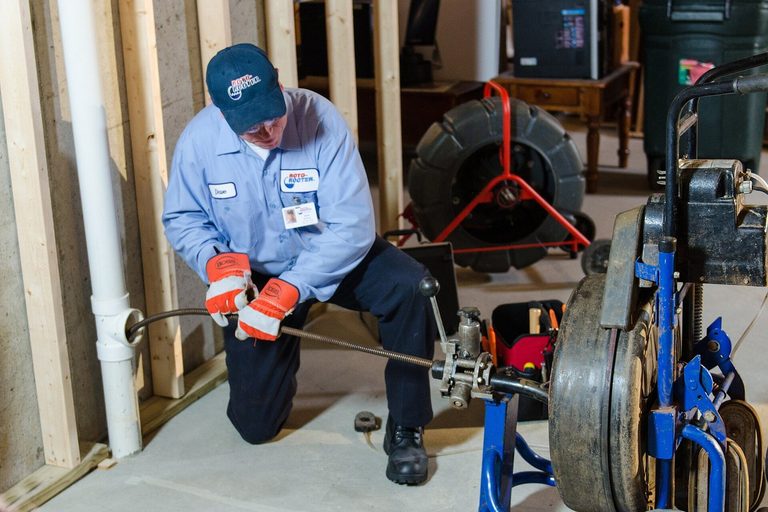
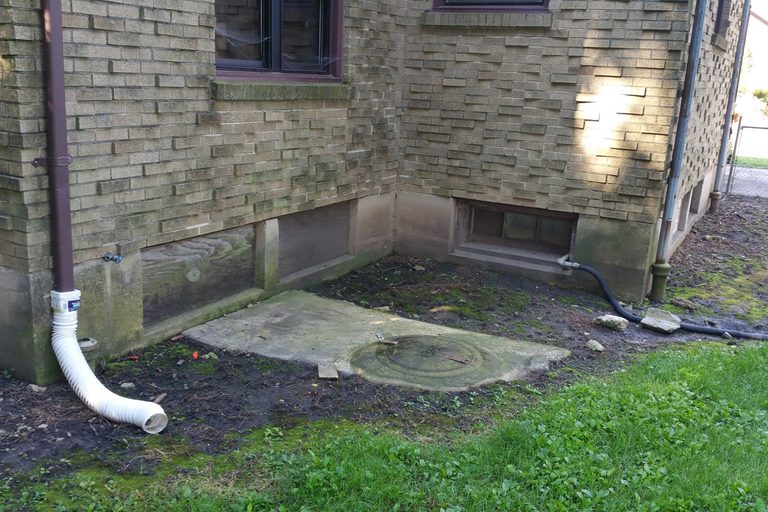
Learn how to find your sewer cleanout, what plumbing codes require, who owns the sewer line, and what a scope or cleanout install costs.
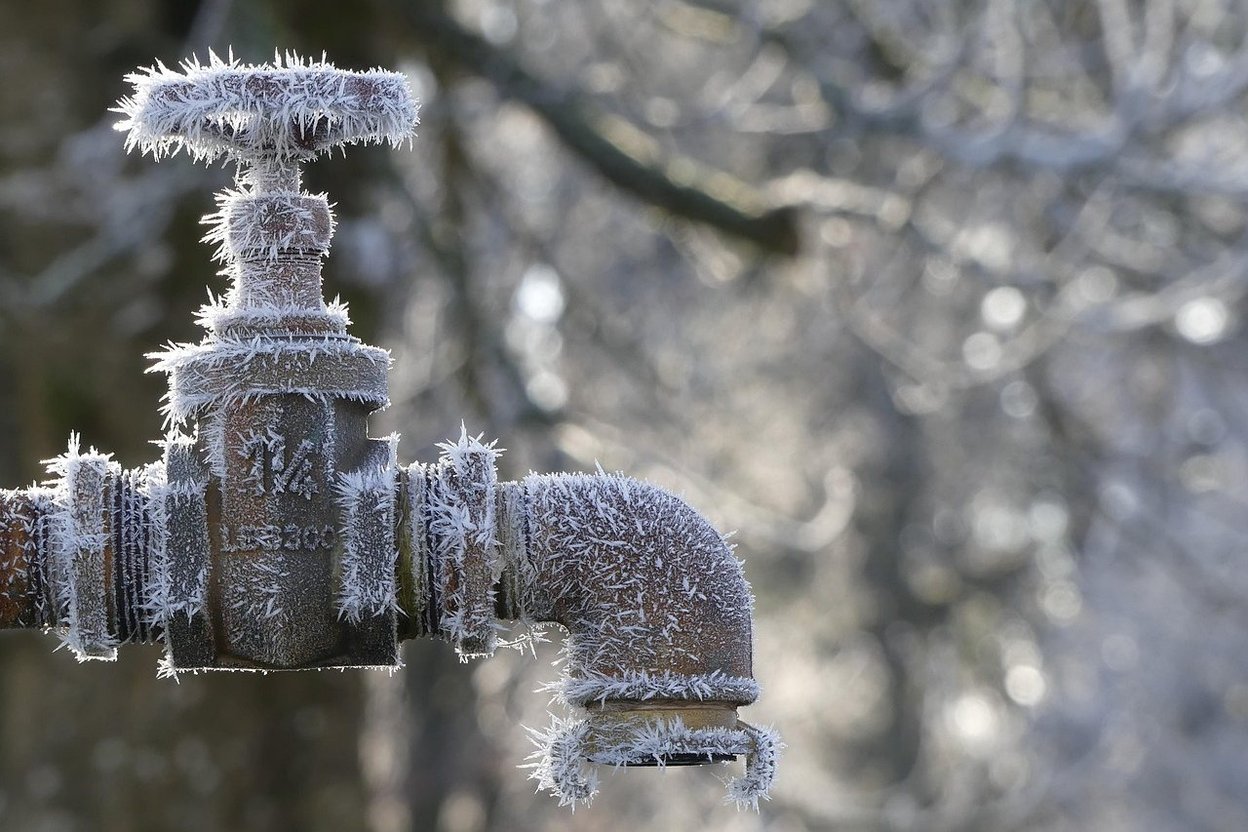
A burst outdoor faucet usually doesn't show up until you turn it on in spring, after it has been leaking into the wall. How to shut off, drain and protect hose bibs, and how to tell if yours is frost-free.
A frozen outdoor faucet is a sneaky problem. The pipe splits in January, but you don't find out until April, when you hook up the hose, turn it on, and water starts running into the basement wall instead of the yard. Ten minutes in October prevents it.
Take every garden hose off its faucet, drain it, and store it. This one matters even if you have frost-free faucets. A hose left attached traps water inside the faucet, and that water can freeze and split the pipe inside the wall, where you can't see it.
If you see any of these, shut the water off and call a plumber. Our guide to finding a hidden water leak shows how to check with your water meter.
Outdoor faucets are one item on the fall home inspection checklist. If you have an in-ground sprinkler system, it needs its own winterizing: the lines have to be drained or blown out before the ground freezes.
Photo by silviarita on Pixabay.
A foam faucet cover from the hardware store costs a few dollars and adds a layer of protection. It's not a substitute for shutting the water off on a standard hose bib, but it helps.
Learn how to find your sewer cleanout, what plumbing codes require, who owns the sewer line, and what a scope or cleanout install costs.
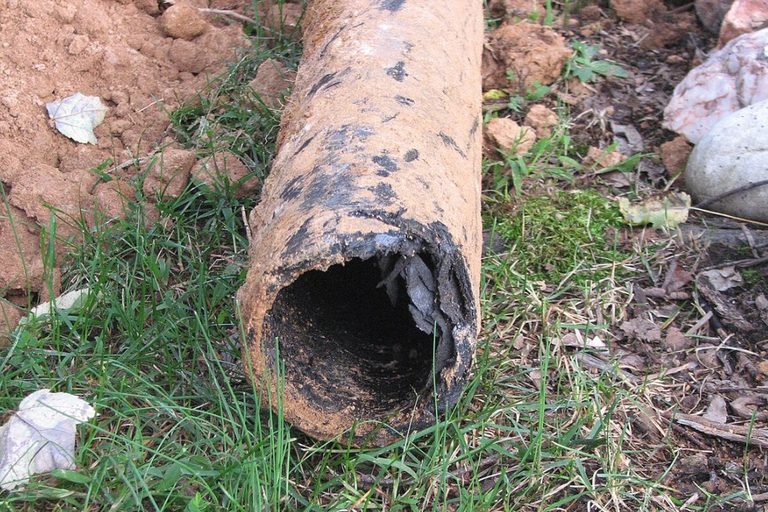
What an inspector looks for on sewer-scope video of Orangeburg pipe: out-of-round walls, blisters, roots, and separated joints.
Is a $250 sewer scope worth it on an older home? See what a camera finds in old lines, what it misses, and what to ask for.