Inspection FAQ
Credit or repairs. What buyers are asking for after the report
Compare a repair credit, completed repairs, and a price cut after a home inspection, with loan limits and how to get terms in writing.
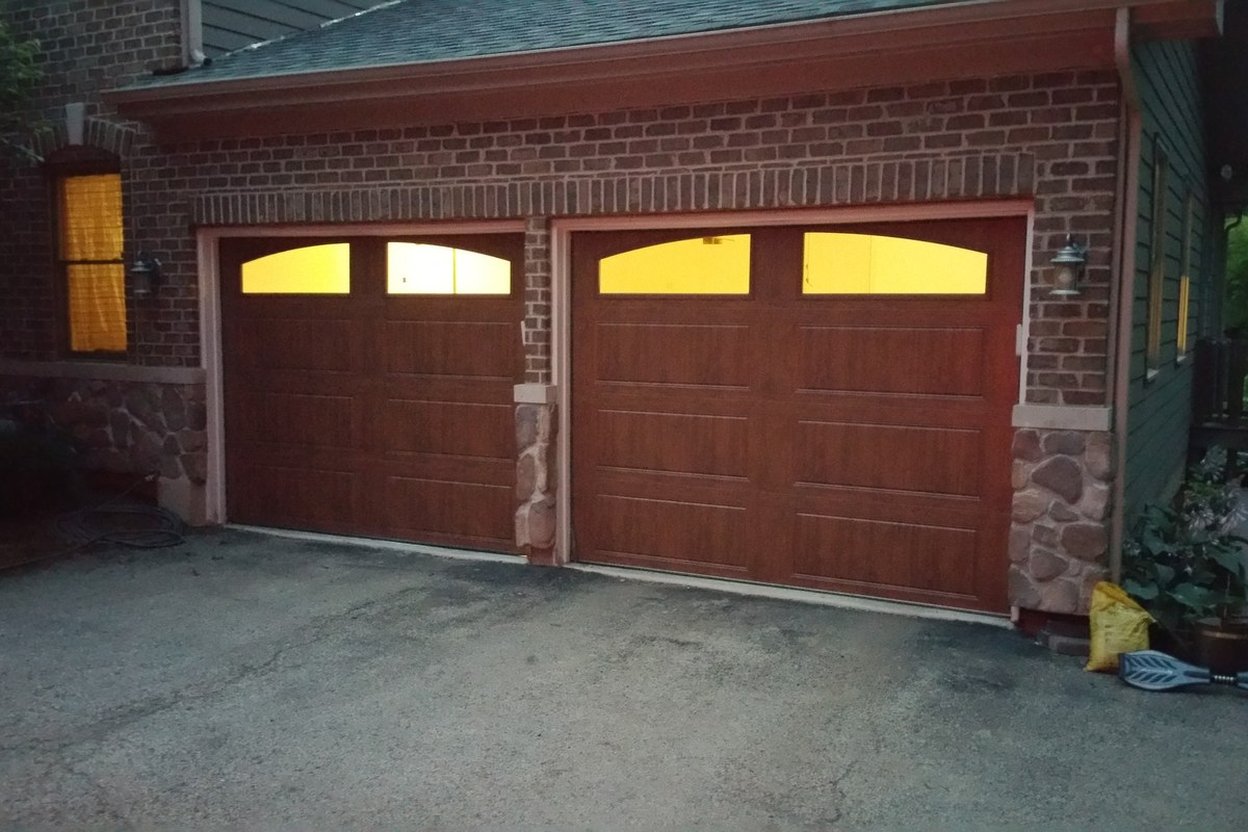
Your garage door is the heaviest moving thing in your house. How to test the auto-reverse and the photo eyes, check the balance, and spot spring and cable problems before winter.
A garage door can weigh a couple hundred pounds, and it's the largest moving object in most houses. It goes up and down several times a day without anybody thinking about it, until it doesn't. Fall is a good time to check it, because cold weather is hard on springs, and the door gets used even more once the car lives in the garage for the winter.
Since 1993, federal rules have required automatic garage door openers sold in the U.S. to reverse when they hit something. The Consumer Product Safety Commission recommends testing it every month.
If it doesn't reverse, or it stops but stays down on the board, unplug the opener and don't use it until the force setting is adjusted or the opener is repaired. Your opener's manual explains the adjustment. If the opener is old enough that it doesn't have photo eyes at all, it's time for a new one.
The two small sensors near the floor on each side of the door shoot an invisible beam across the opening. Start closing the door and wave something (a broom handle or a box, not your foot) through the beam. The door should stop and reverse.
Pull the emergency release cord (with the door closed) so you can lift the door by hand. Lift it about halfway and let go.
Reconnect the opener when you're done.
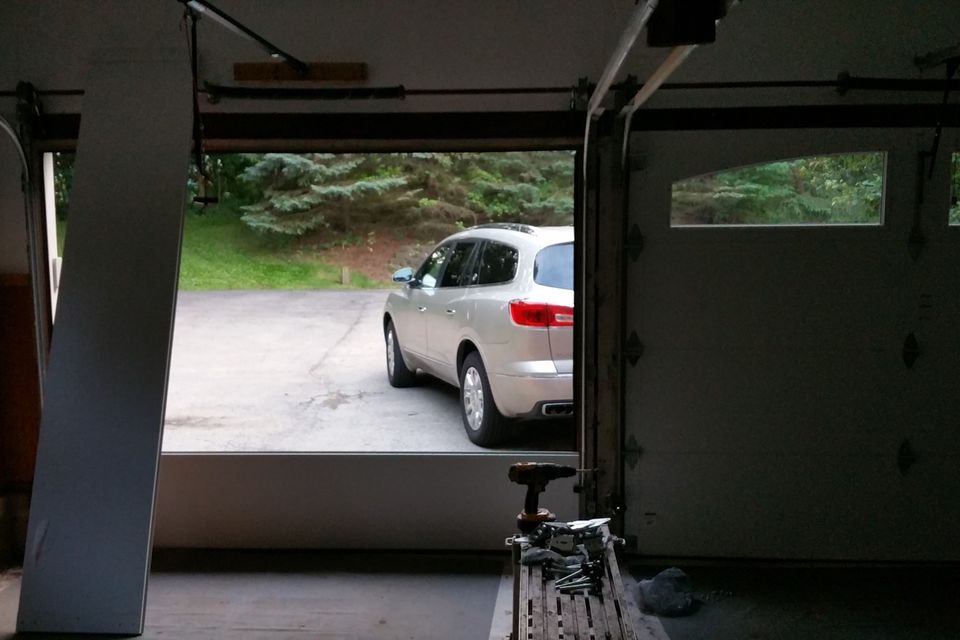
Look at the springs, either the long ones running along the tracks or the big one on a bar above the door, and at the lift cables at the bottom corners.
Garage door springs are under enormous tension. Never try to adjust or replace springs, cables or bottom brackets yourself. People get badly hurt doing it. This is a job for a garage door technician.
Keep the remote out of reach of children, and mount the wall button high enough that little hands can't reach it. Teach kids that the garage door isn't a toy, and never to run under a closing door.
While you're in the garage, take a look at the GFCI outlets out there, too. Garage doors are also on our fall home inspection checklist.
Compare a repair credit, completed repairs, and a price cut after a home inspection, with loan limits and how to get terms in writing.
Learn why an inspection report is not a repair list, how to sort findings into repair, monitor, and evaluate, and make a focused request.
A thermal camera flags possible moisture, missing insulation, air leaks and hot wiring. Learn what a scan can and can't confirm, and what it costs.