Exterior
How Mice Get In Every Fall: A Homeowner's Check for Entry Points
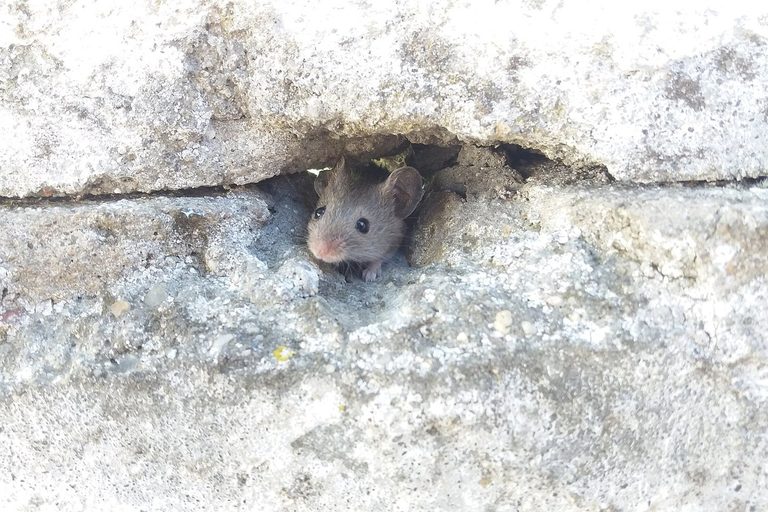
Mice need a gap about 1/4 inch wide. Here's where to look outside and inside, what to seal each gap with, and how to clean up droppings safely.
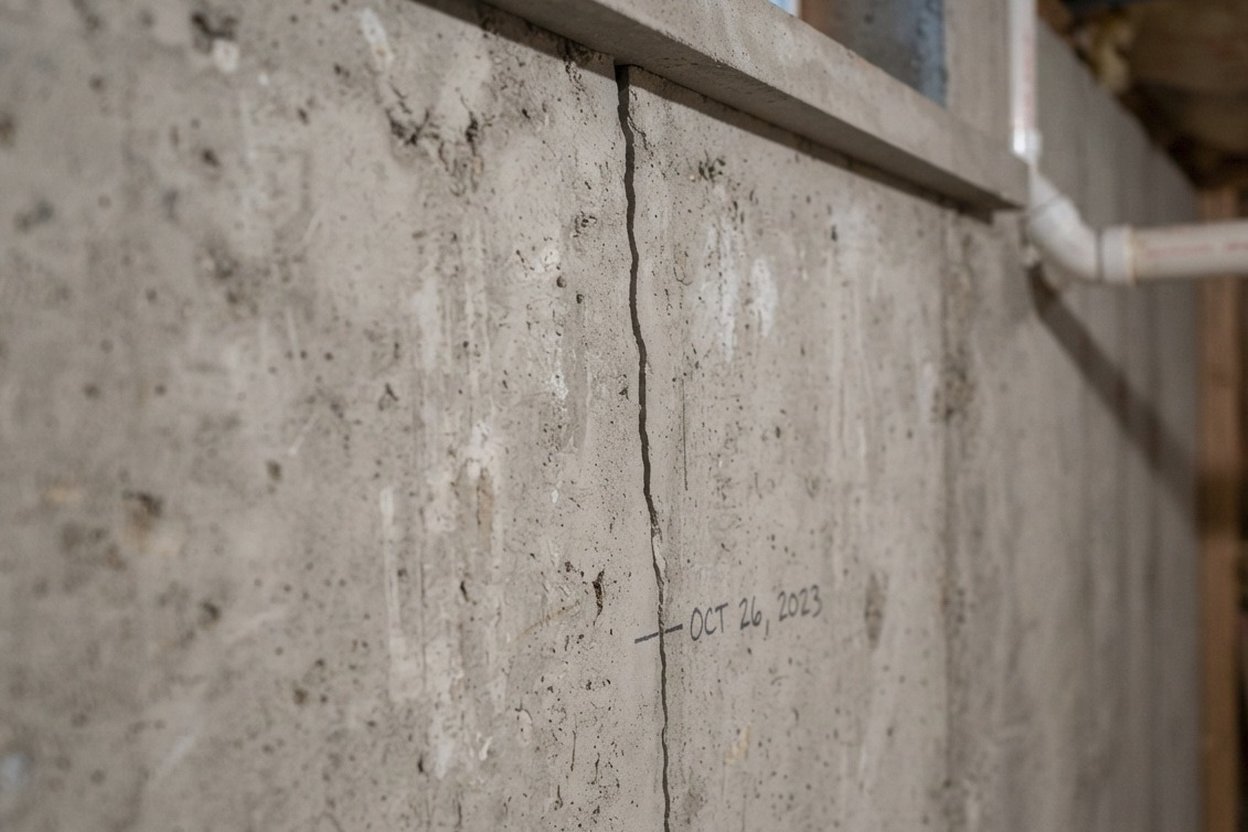
Almost every concrete foundation cracks. How to tell a harmless shrinkage crack from one that means the wall is moving, how to track a crack yourself, and when to call a structural engineer.
Find a crack in your basement wall and your stomach drops. Relax for a minute: almost every concrete foundation cracks. Concrete shrinks as it cures, and a house settles in its first few years. Most cracks are cosmetic. A few are the house telling you something is moving. Here's how to tell them apart.
Even a harmless crack can let water in. If it's dry, seal it and keep an eye on it. If it leaks, it needs a proper repair from the inside or outside.
Foundation movement shows up in the rest of the house too:
One of these alone usually isn't a big deal. Several at once, along with a foundation crack, is worth a professional look.
If the crack runs past your pencil mark or gets wider, it's moving.
Most serious foundation problems come down to water and soil:
Fix the water first. It's the cheapest repair and the one that stops a lot of cracks from getting worse. See our posts on gutters and downspouts and testing your sump pump.
For a crack that's growing, horizontal, or comes with a bowing wall, call a structural engineer first, not a foundation repair company. The engineer has nothing to sell you; they'll tell you what's wrong and what the fix should be. Then get repair quotes based on their report.
Mice need a gap about 1/4 inch wide. Here's where to look outside and inside, what to seal each gap with, and how to clean up droppings safely.
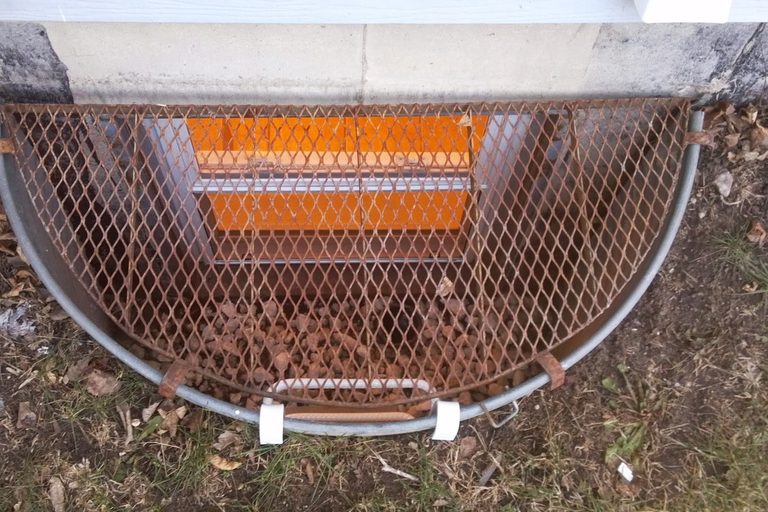
Basement window wells flood, collect leaves, trap animals, and sometimes are the only way out in a fire. How to check the well, the drain and the cover, and what makes a…
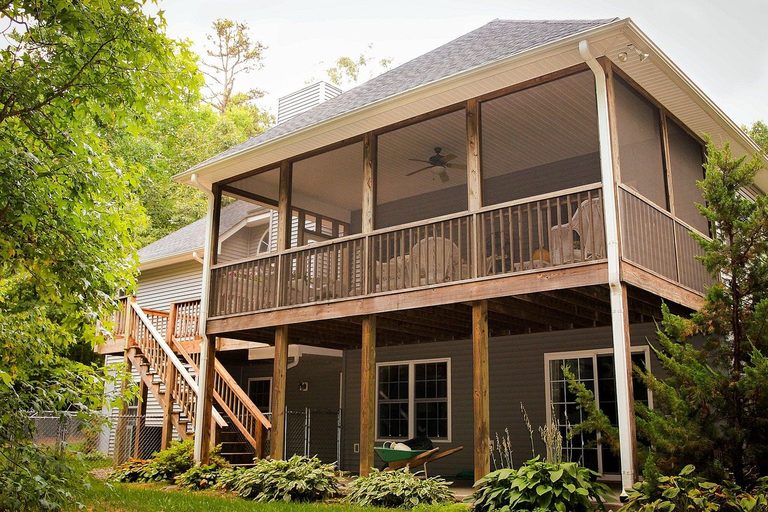
Snow adds weight to a deck that's been baking and soaking all year. How to check the ledger board, flashing, posts, fasteners, railings and stairs in an afternoon, and the warning signs…