Exterior
How Mice Get In Every Fall: A Homeowner's Check for Entry Points
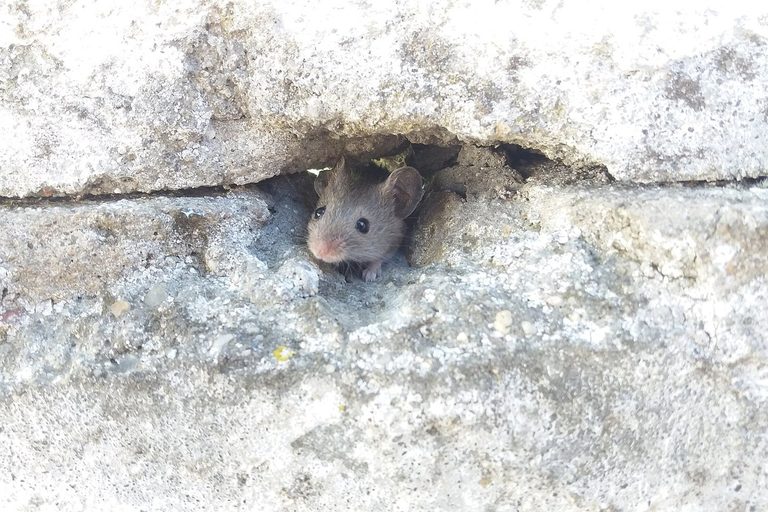
Mice need a gap about 1/4 inch wide. Here's where to look outside and inside, what to seal each gap with, and how to clean up droppings safely.
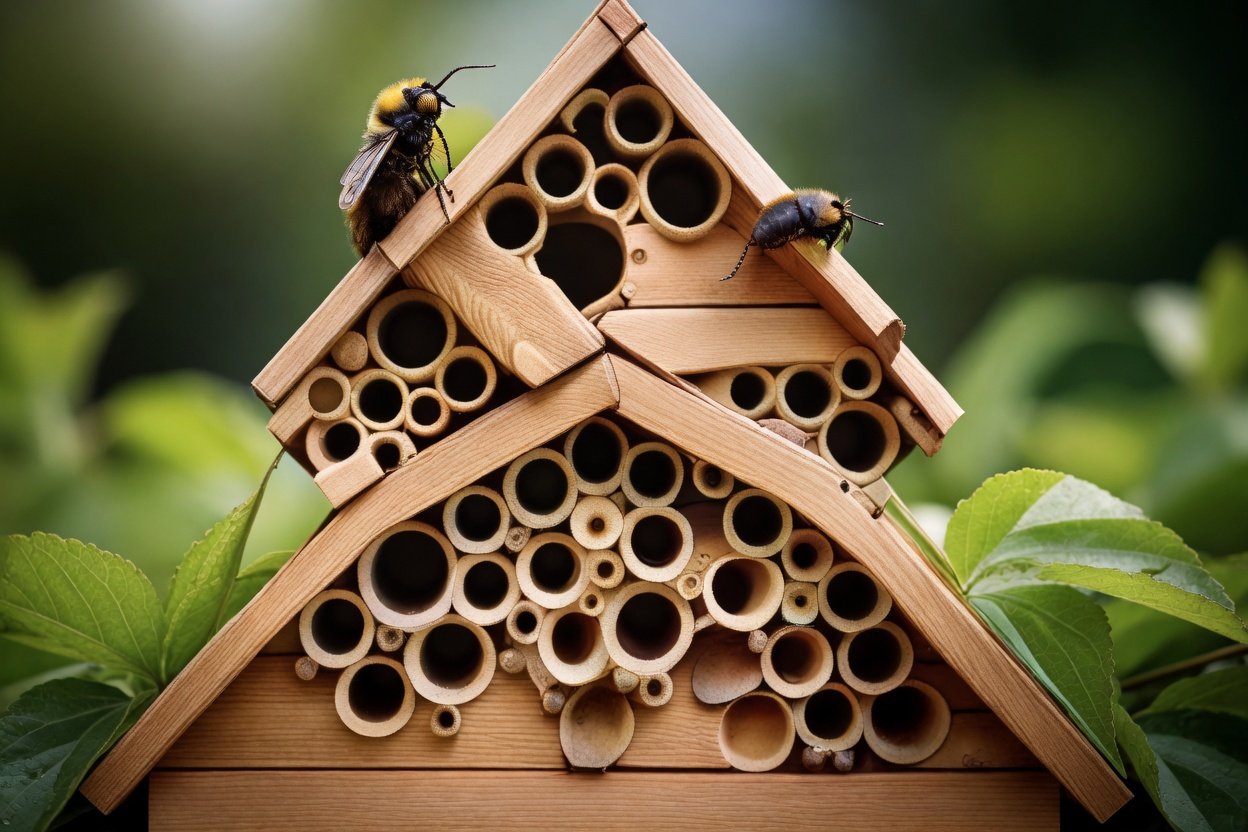
carpenter bees can quickly turn beauty into a nightmare. Carpenter bees are large, solitary insects that bore holes into wood to create their nests.
The thing that keeps carpenter bees away is a solid coat of paint. They bore into bare, weathered softwood, and university extension entomologists agree that well-maintained painted wood is rarely attacked. If bees are already nesting, the fix has three steps: dust an insecticide labeled for bees into each hole, wait a day or more, then plug the hole and paint over it. Sprays, smells and decoys are a distant second.
Here’s how to spot them, what actually works, and what’s mostly folklore.
Carpenter bees look like bumblebees, but the abdomen gives them away. A carpenter bee’s abdomen is shiny black and hairless. A bumblebee’s is fuzzy with yellow and black bands. Carpenter bees are 1/2 to 1 inch long, and in spring you’ll see them hovering near eaves, deck rails and fascia boards.
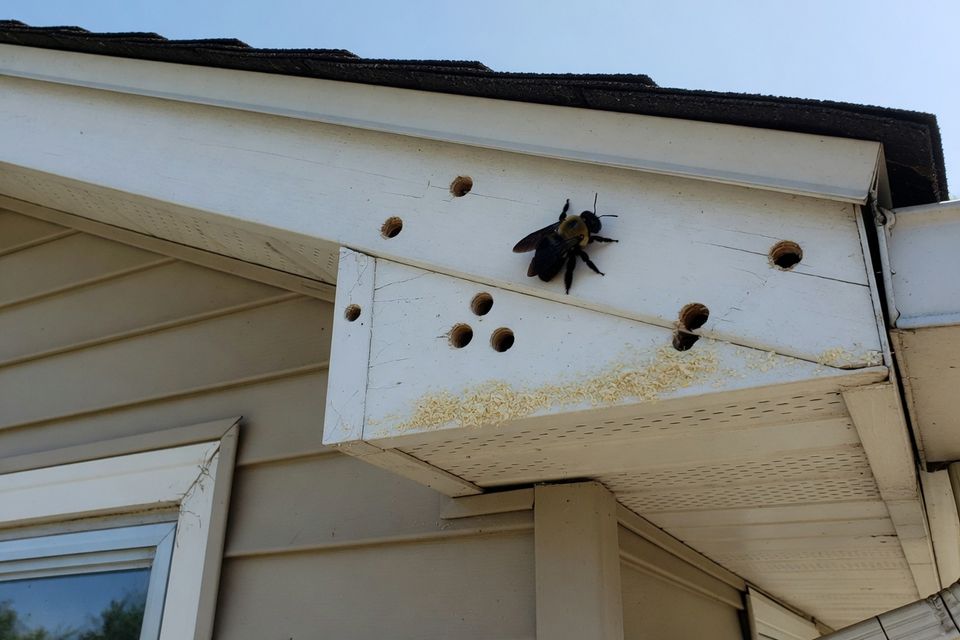
Look for this when you walk the outside of the house:
One season of one bee does little harm. The hole goes in about an inch, then turns and runs along the grain, where the female builds a row of cells for her eggs. A new gallery is usually 4 to 6 inches long.
The trouble is that they come back. New females would rather extend an old tunnel than start a fresh one, so the same board gets mined year after year. Alabama Extension reports galleries up to 2 feet long with repeated use, and other extension sheets describe much longer ones. Over several years, a fascia board or deck rail can get hollowed out enough to need replacing.
Woodpeckers make it worse. They go after the larvae inside and tear the wood open to get at them, turning a neat 1/2-inch hole into a ragged gouge. Open holes also let water into wood that was dry before, and that can lead to rot. If you’re inspecting a house you’re buying, chewed-up fascia with woodpecker damage is a sign the bees have been there for years.
Carpenter bees want bare, weathered softwood: cedar, redwood, cypress and pine are the usual targets. Common spots:
They also like wood thicker than about 2 inches, so a 2x6 rail or a 4x4 post is more appealing than thin trim.
Paint the wood. Clemson’s Home & Garden Information Center calls an oil-based or polyurethane painted surface the most effective deterrent. Penn State Extension says to paint or varnish the entire surface, not just the spots with holes.
Stain is the weak spot. Penn State notes that stained wood “is not usually protected,” and NC State says stains and preservatives are less reliable than paint, though they may give a little protection compared with bare wood. A cedar deck or fence with a semi-transparent stain will still attract bees, especially once the stain weathers.
A few more prevention options:
For more on picking and finishing wood that bees leave alone, see our guide on protecting wood from carpenter bees.
If you plug a hole while bees are still inside, they’ll often chew right back out through the caulk. The order matters: treat first, wait, then seal.
Early spring, before the females finish their tunnels and lay eggs, is the best time. Late summer is the second-best window. That’s after the new adults come out (around August) and before they settle in for winter. Treat in the evening or at night, when the females are inside. If you need a light, Penn State suggests covering the flashlight with red cellophane so it doesn’t stir the bees up.
Use an insecticide dust labeled for bees or wasps and puff it straight into each entrance with a bulb duster. Extension sheets say dusts usually work best inside galleries because they last longer than sprays. NC State lists bifenthrin, cyfluthrin, deltamethrin and lambda-cyhalothrin as active ingredients that work. Some people use boric acid dust instead; if you do, check that the product label lists carpenter bees.

Use a light hand. University of Maryland Extension notes that heavy doses can repel the bees before they pick up a lethal amount, so the goal is a light coating inside the entrance. Wear gloves, goggles and a dust mask, and follow the label; it’s the law, not a suggestion.
Bees still flying in daylight can be knocked down with a wasp-and-hornet aerosol aimed into the hole.
Leave the holes open so returning bees walk through the dust. Clemson says to wait at least 24 hours; other sources say several days, until you stop seeing activity. Then seal each hole:
Then paint over the patch. An open, unpainted hole is an invitation to next year’s bees.
Surface sprays wear off fast. Clemson says pyrethroid sprays on wood last less than 30 days. Penn State suggests checking and treating in spring, midsummer and early fall. Expect to find a few new holes the next spring if nearby wood is still bare.
Carpenter bee traps are small wooden boxes with 1/2-inch holes drilled into the sides at an upward angle and a clear bottle or jar hanging below. Bees crawl in looking for a tunnel, head toward the light, and drop into the bottle. Clemson and Kentucky’s entomology department both describe them. Traps catch bees, but they reduce numbers more than they protect a specific board. Hang them near the problem area in early spring and use them alongside paint and plugging, not instead of them.
You’ll see plenty of advice to spray citrus oil, almond oil, vinegar or eucalyptus on wood, plant mint, or hang a paper bag as a fake nest. None of these is backed by solid research on carpenter bees, and none of the extension fact sheets above recommends them as a main control. At best, a scented spray wears off with the first rain and has to be reapplied constantly. A decoy might make a bee choose a different spot, but it won’t move bees out of a nest they’ve already dug.

They’re cheap and harmless to try on a shed or a fence you don’t care much about. On fascia or a deck, don’t count on them.
Call a pest control company if:
A pro will dust the galleries the same way you would, just with better reach and gear. If the wood is hollowed out or rotten, the real fix is a carpenter: replace the board, then paint or wrap it.
Carpenter bees are pollinators, and the males are all bluster. If the bees are drilling into an old stump, a woodpile or a fence post at the back of the lot, you can leave them alone. Save treatment for wood you care about.
Mice need a gap about 1/4 inch wide. Here's where to look outside and inside, what to seal each gap with, and how to clean up droppings safely.
Basement window wells flood, collect leaves, trap animals, and sometimes are the only way out in a fire. How to check the well, the drain and the cover, and what makes a…
Snow adds weight to a deck that's been baking and soaking all year. How to check the ledger board, flashing, posts, fasteners, railings and stairs in an afternoon, and the warning signs…