Exterior
How Mice Get In Every Fall: A Homeowner's Check for Entry Points
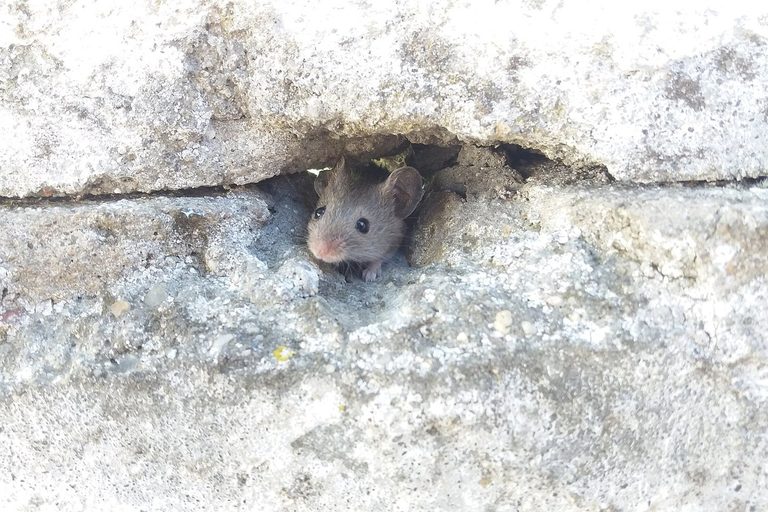
Mice need a gap about 1/4 inch wide. Here's where to look outside and inside, what to seal each gap with, and how to clean up droppings safely.
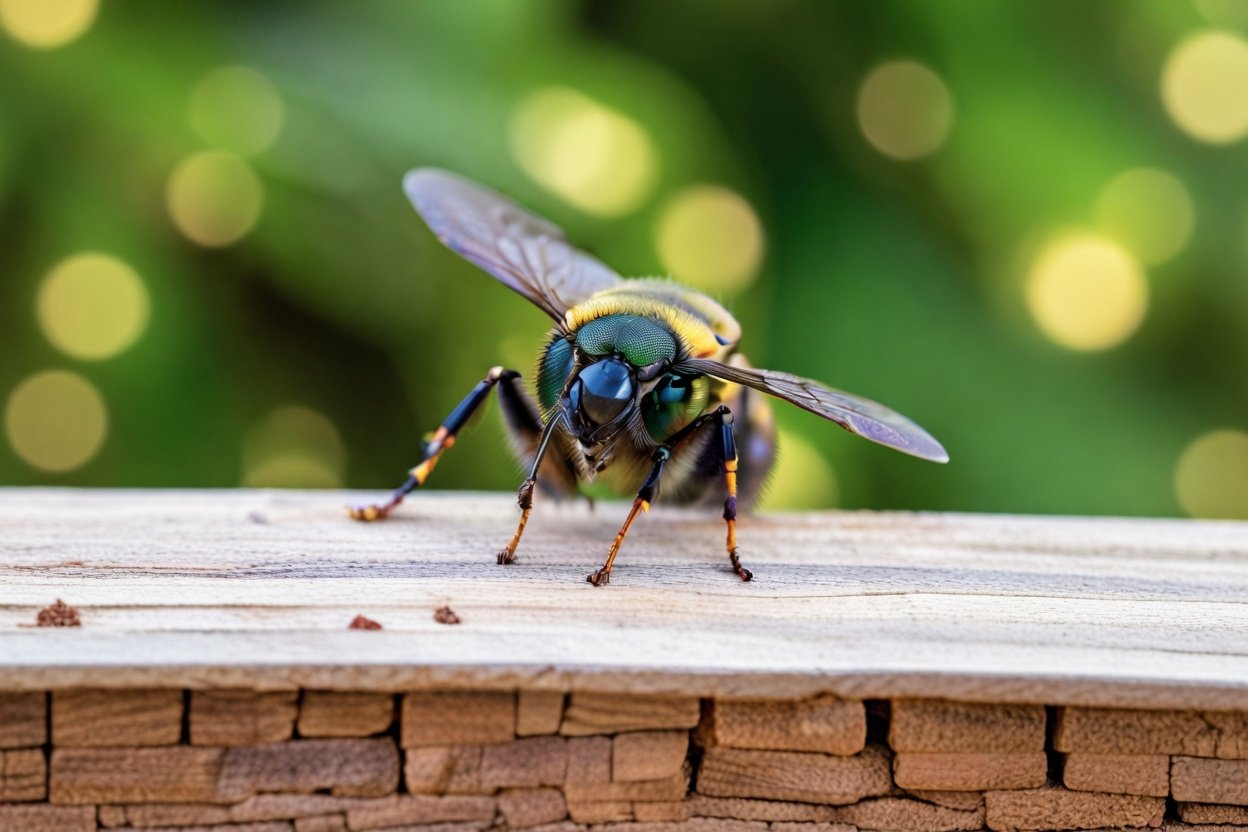
Carpenter bees are common pests that wreak havoc on wooden structures. They're called carpenter bees because they bore holes into wood to make their nests
Carpenter bees are common pests that can wreak havoc on wooden structures. They are called carpenter bees because they bore holes into wood to make their nests. These holes can cause serious damage to wooden beams, decks, and other structures if left untreated.
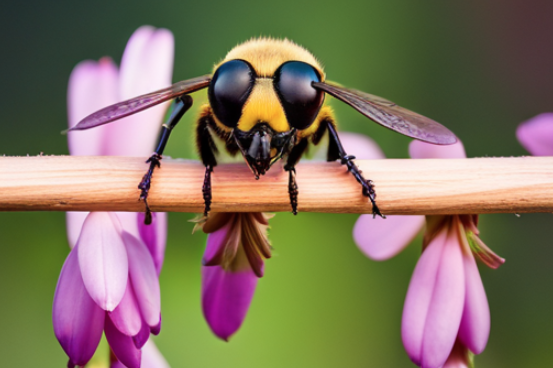
Carpenter bees look similar to bumblebees but have a shiny black abdomen and a bald thorax. The female carpenter bee is capable of stinging, but only does so if she feels threatened or provoked.
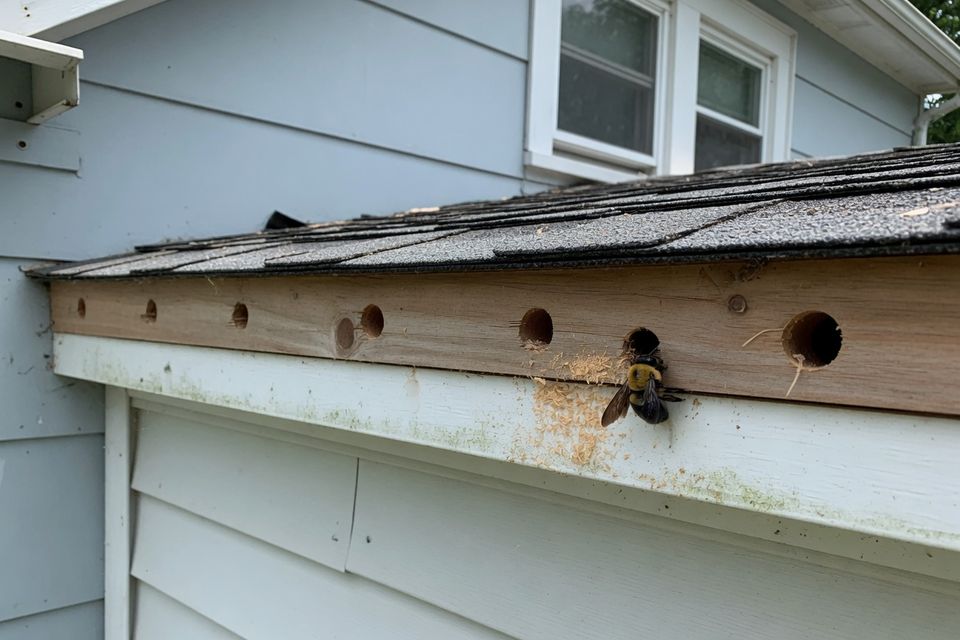
The damage caused by carpenter bees is often unseen until it has become quite extensive. They bore perfectly round holes into the wood, typically about 1/2 inch in diameter.
Once inside the wood, they create tunnels that can extend several inches in length and width. This not only weakens the structural integrity of the wood but also creates entry points for moisture and other insects that can cause further damage.
As with many pests, prevention is key when it comes to protecting your wooden structures from carpenter bees. The cost to repair or replace damaged wood can be significant, making it crucial to take steps to protect your home or property before an infestation occurs.
Additionally, untreated carpenter bee damage can lead to even more significant problems down the line such as mold growth due to moisture infiltration and weakened support beams which could lead to structural failure. Therefore, it is crucial that homeowners take proactive measures against these pests by implementing preventative measures and addressing any signs of infestation promptly.
In the following sections we will explore various methods for preventing an infestation as well as natural remedies and chemical treatments for existing problems with these pests. By following these guidelines you will be able to effectively protect your wooden structures from these damaging insects.
Carpenter bees are large, black and yellow bees that resemble bumblebees. The females are the ones that cause damage to wood, as they excavate tunnels in order to lay their eggs.
Unlike other types of bees, carpenter bees have a relatively hairless abdomen and a shiny, black color. One way to identify if you have carpenter bees on your property is by observing their behavior around wooden structures.
They tend to hover around the wood, inspecting it closely before beginning to bore into it. Another sign of their presence is the appearance of perfectly round holes about 1/2 inch in diameter on wooden surfaces.
Carpenter bees are solitary creatures that prefer to build their nests in unfinished or weathered wood. They typically do not nest in painted or varnished wood. These insects bore perfectly round holes into the wood surface which then lead into tunnels where they lay eggs and rear their young.
While they may not be social insects like ants or wasps, carpenter bees can still be quite aggressive when provoked or defending their territory. The males may even fly towards humans or animals that approach too closely.
The life cycle of a carpenter bee begins with an egg laid inside a tunnel in the wood by a female bee during springtime. After hatching, the larvae feed on stored pollen and nectar until they reach maturity as adults in late summer or early fall.
Adult carpenter bees then emerge from their nests and mate before entering hibernation for the winter months. In early spring, they emerge again to begin building new nests and laying eggs for the next generation.
Understanding these aspects of carpenter bee biology allows us to better both prevent and treat carpenter bee infestations. It’s important to take steps to protect your wooden structures from these bees before they cause significant damage.
One of the easiest ways to prevent carpenter bees from invading your wooden structures is by sealing any cracks or crevices. Carpenter bees are attracted to untreated wood surfaces, and they will enter through small openings.
By sealing up these openings, you can make it much more difficult for the bees to get inside. Using a high-quality sealant or caulking compound, fill any gaps or holes in the wood surface.
Another effective way to protect your wooden structures from carpenter bee damage is by painting or staining exposed wood surfaces. Carpenter bees are attracted to untreated, unpainted, and unstained wood surfaces because they prefer a natural-looking environment for their nests. By coating the wooden surface with paint or stain, you create a barrier that makes it unappealing for the bees.
When choosing a paint or stain product for your wooden structure, be sure to select one that is labeled as being resistant against carpenter bees. This will provide an extra layer of protection against potential infestations.
Carpenter bees are only interested in natural wood products like cedar, pine and redwood. They are not attracted to synthetic materials such as plastic lumber.
If possible, consider using synthetic materials instead of natural wood products when building new outdoor structures such as decks and porches. Synthetic decking materials have become increasingly popular in recent years because they require very little maintenance compared to traditional wooden decks that need yearly maintenance like staining and sealing.
There are many bee repellent products available on the market that can help keep carpenter bees at bay. These include insecticides formulated specifically for carpenter bees, as well as natural and organic repellents like peppermint oil, eucalyptus oil, and citrus sprays.
You can also install physical barriers such as mesh screens or bee-proof ventilation covers on your wooden structures to prevent carpenter bees from accessing them. Just be sure to select products that are safe for humans and pets, and follow the application instructions carefully.
By following these prevention techniques, you can ensure that your wooden structures remain healthy and free from carpenter bee damage. Remember to inspect your structures regularly for signs of infestation, and promptly address any issues you find.
If you prefer natural remedies over chemical treatments, then essential oils can be an effective way to repel carpenter bees. Some of the best essential oils to use for this purpose include tea tree oil, lavender oil, peppermint oil, and eucalyptus oil. These oils have a strong scent that carpenter bees don’t like and are therefore effective at keeping them away from your wooden structures.
To use these essential oils as a natural remedy for carpenter bees, you can mix a few drops of the oil with water in a spray bottle and spray it on any exposed wood surfaces. Alternatively, you can soak cotton balls in the oil and place them strategically around your property where carpenter bees are likely to be present.
Another natural remedy that can be effective against carpenter bees is citrus sprays. Carpenter bees don’t like the smell of citrus fruits such as oranges or lemons and will avoid areas where these scents are present. To make a citrus spray, simply mix the juice from one lemon with two cups of water in a spray bottle.
Spray this mixture generously on any exposed wood surfaces around your home or garden. Repeat this process every week or so to keep the scent fresh and strong enough to repel carpenter bees.
Using natural remedies such as essential oils and citrus sprays is an excellent way to repel carpenter bees without using harsh chemicals that could harm other beneficial insects or even people or pets. However, it’s important to note that natural remedies may not provide complete protection against infestations by themselves.
Using prevention techniques such as sealing cracks in wood surfaces and painting or staining exposed wood can also help prevent carpenter bee damage. Regular inspections for signs of infestation are also crucial, as prompt action can prevent further damage to your wooden structures.
Natural remedies can be effective against carpenter bees, but it’s best to use them in conjunction with other prevention techniques and regular maintenance. By being proactive in protecting your wooden structures, you can avoid costly repairs and preserve the beauty of your home or garden for years to come.
Carpenter bees can cause significant damage to wood structures, and prevention techniques may not always be enough to keep them away. In cases where an infestation has already occurred, chemical treatments may be necessary. Here are some effective chemical treatments for getting rid of carpenter bees.
Insecticides that are labeled for use against carpenter bees can be highly effective when applied directly into the nest opening. This treatment targets the adult bees and any newly hatched larvae that may be present in the tunnels.
It’s important to note that insecticides should only be used by individuals who have experience with pesticides, as they can be dangerous if not handled properly. When using insecticides, it’s best to apply them early in the morning or late in the evening when the bees are less active.
The nest opening should also be dusted thoroughly with the product so that it reaches all areas of the tunnel system. It’s also a good idea to wear protective clothing and a mask to avoid inhaling any harmful chemicals.
Boric acid is another effective chemical treatment for carpenter bee infestations. This natural substance is toxic to both adult bees and larvae, making it an ideal solution for killing off an entire colony.
Boric acid works by disrupting the nervous system of insects, causing them to become paralyzed and die. To use boric acid for carpenter bee control, mix equal parts water and boric acid powder to create a paste-like consistency.

Then apply this mixture directly into each nest opening using a syringe or dropper. The boric acid will then spread throughout the tunnel network, killing any bees or larvae that come into contact with it.
Overall, chemical treatments should only be used as a last resort when other prevention methods have failed or an infestation has already occurred. It’s important to follow all safety instructions and use the products responsibly to avoid any harm to yourself, others, or the environment.
One of the best ways to protect wood from carpenter bees is to regularly inspect wooden structures around your property. Wood that has been infested by carpenter bees will have small, round holes approximately the diameter of a pencil.
These holes are usually found on the surface of bare, unpainted wood and are often accompanied by coarse sawdust or frass. If you find any signs of infestation, it is important to act quickly to prevent further damage.
Carpenter bees prefer to burrow into bare, untreated wood that is soft or decaying. Therefore, it is important to regularly inspect your wooden structures for any signs of rot or decay.
If you find any areas that are damaged, take steps to repair them as soon as possible. This may require removing and replacing sections of damaged wood or treating the affected area with fungicide.
Painting and staining wooden structures can help protect them from carpenter bee damage. A coat of paint or stain will help seal the wood’s pores and make it less attractive to bees looking for a place to nest. It also helps prevent moisture from penetrating the wood, which can lead to decay.
Protecting your wooden structures from carpenter bee damage requires a combination of preventative measures and regular maintenance. By sealing cracks and crevices in wood surfaces, painting or staining exposed surfaces, using synthetic materials instead natural products, installing bee-repellent products like essential oils or citrus sprays, applying insecticides labeled for use against carpenter bees directly into nest openings; using boric acid among other techniques outlined above can all help prevent carpenter bee infestations. It is also important to regularly inspect your wooden structures for signs of infestation and promptly repair any damaged or rotting wood.
While carpenter bees can be difficult to control, taking steps to protect your wooden structures will help ensure they remain in good condition for years to come. With proper maintenance, you can enjoy the beauty and functionality of your wooden structures without worrying about damage from carpenter bees.
Mice need a gap about 1/4 inch wide. Here's where to look outside and inside, what to seal each gap with, and how to clean up droppings safely.
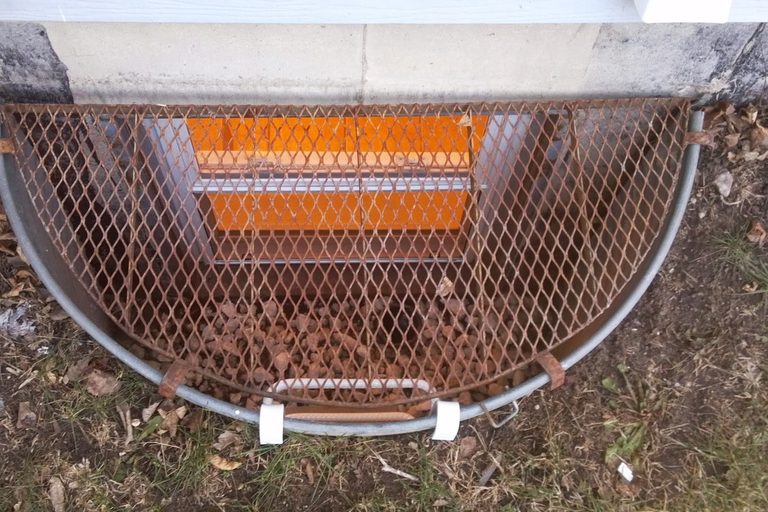
Basement window wells flood, collect leaves, trap animals, and sometimes are the only way out in a fire. How to check the well, the drain and the cover, and what makes a…
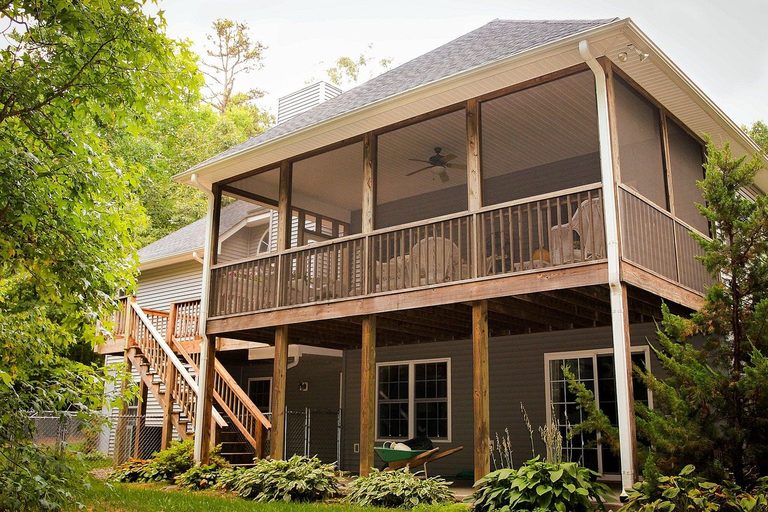
Snow adds weight to a deck that's been baking and soaking all year. How to check the ledger board, flashing, posts, fasteners, railings and stairs in an afternoon, and the warning signs…