Exterior
How Mice Get In Every Fall: A Homeowner's Check for Entry Points
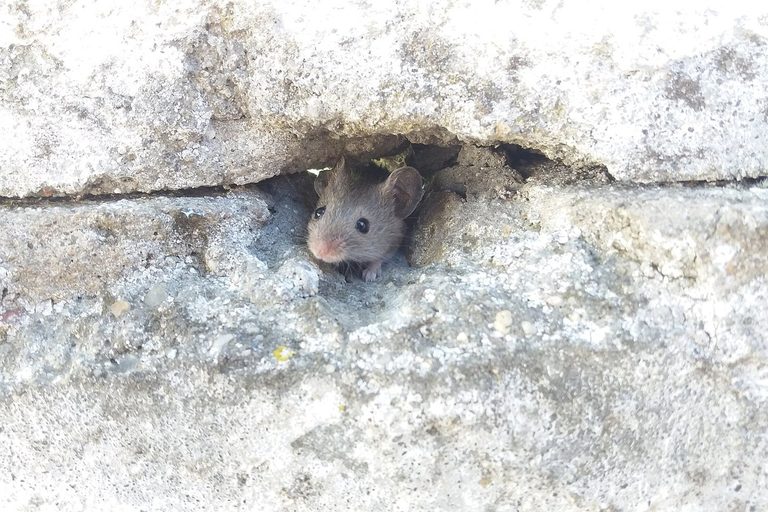
Mice need a gap about 1/4 inch wide. Here's where to look outside and inside, what to seal each gap with, and how to clean up droppings safely.
Basement window wells flood, collect leaves, trap animals, and sometimes are the only way out in a fire. How to check the well, the drain and the cover, and what makes a window a real escape route.
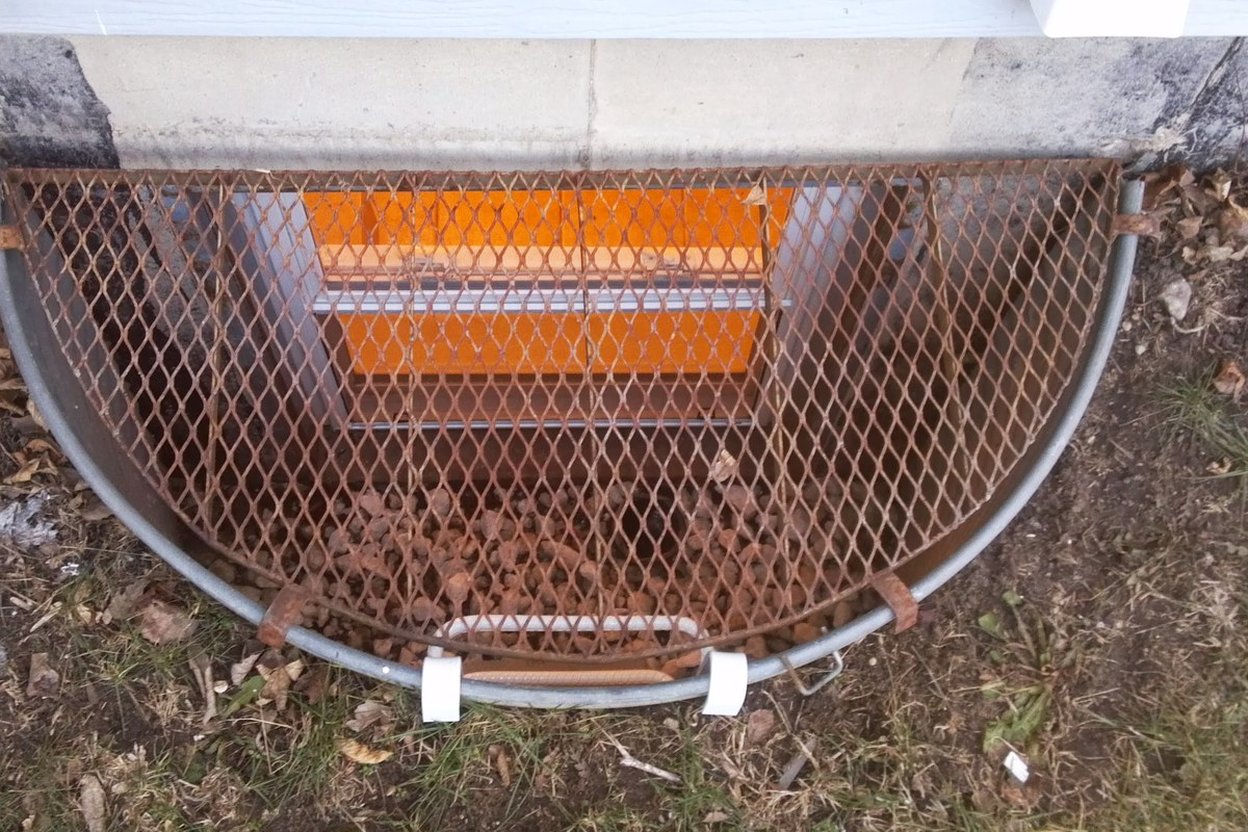
Window wells are the half-circles of metal or plastic around basement windows that sit below ground. They let light in and keep dirt off the glass. They also collect leaves, fill with water, trap animals, and, if anyone sleeps in the basement, may be the only way out in a fire. Here's what to check before winter.
Leaves, trash, and the occasional frog or chipmunk all end up at the bottom. Fall is the time to clean them out, before the leaves rot and before the snow buries them.
The bottom of a window well should drain. Most have a layer of gravel, and many have a drain pipe that ties into the footing drain around the house.
Also check the grading around the well. The soil should slope away from it, not into it. Our grading guide explains how.
A cover keeps out leaves, snow, rain and animals, and keeps people from falling in. But a cover over a bedroom egress window has to open easily from the inside without tools, keys or special knowledge. A bolted-down plastic dome or a heavy grate over an escape window can trap someone in a fire.
Any basement bedroom needs a real way out, and building codes are specific about what counts. Under the International Residential Code, an emergency escape window generally needs:
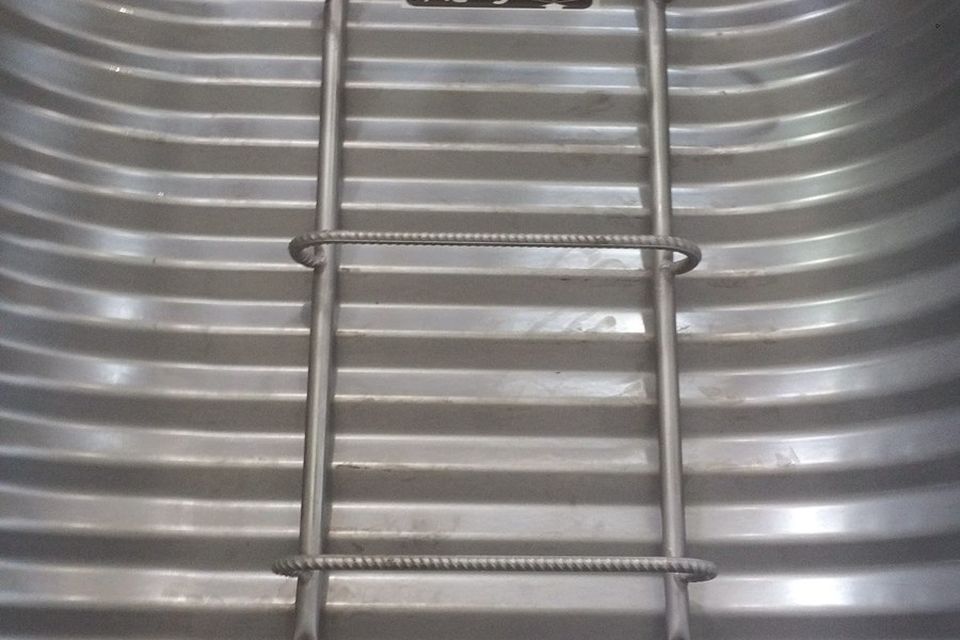
Your local code may differ a little, so check with your building department. Many older homes have basement "bedrooms" with small hopper windows that nobody could fit through. If someone sleeps down there, that's worth fixing.
If you have a basement bedroom, try it once: can an adult open the window, get over the sill, and climb out of the well and over the cover? If you can't do it easily in daylight, nobody will do it at night in smoke.
A way out only helps if people wake up in time. Make sure there's a working smoke alarm in or right outside every bedroom, including the basement. See our guide to smoke and CO alarm testing and placement.
Mice need a gap about 1/4 inch wide. Here's where to look outside and inside, what to seal each gap with, and how to clean up droppings safely.
Snow adds weight to a deck that's been baking and soaking all year. How to check the ledger board, flashing, posts, fasteners, railings and stairs in an afternoon, and the warning signs…
You don't have to climb a ladder to check your roof before winter. What to look for from the yard with binoculars, what the gutters tell you, and what to find in…