Exterior
How Mice Get In Every Fall: A Homeowner's Check for Entry Points
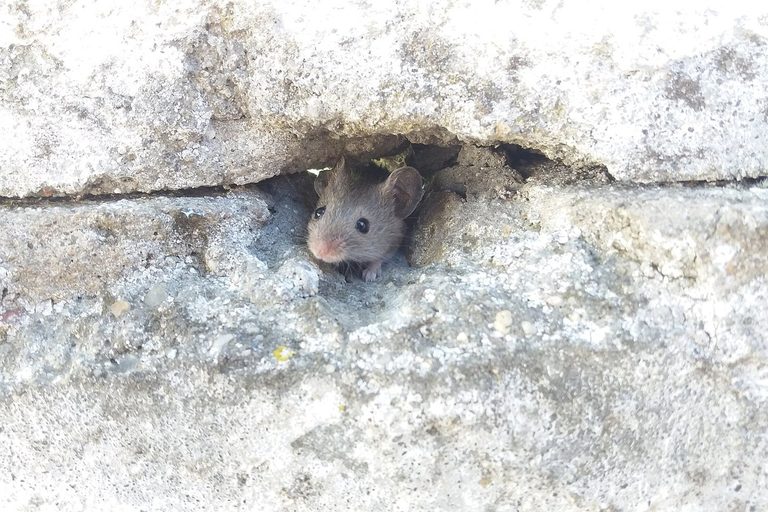
Mice need a gap about 1/4 inch wide. Here's where to look outside and inside, what to seal each gap with, and how to clean up droppings safely.
Bad grading sends rain and snowmelt straight into your foundation. How to check the slope around your house with a string and a level, what the code calls for, and simple fixes before winter.
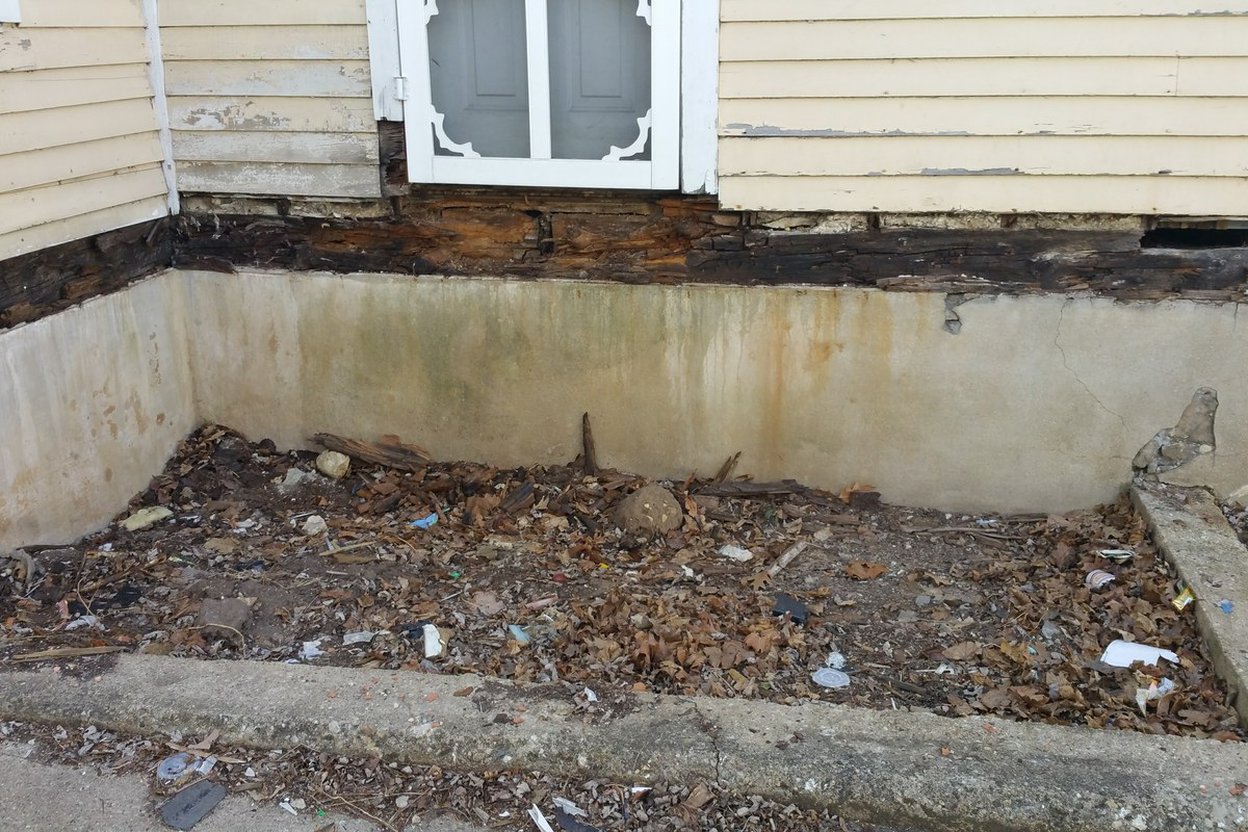
A lot of wet basements and cracked foundations don't start with the foundation at all. They start with the dirt around it. If the ground slopes toward the house, every rain and every spring thaw runs straight at your basement walls. Fixing it is often a few bags of dirt and a Saturday.
Most building codes, including the International Residential Code, call for the ground to drop at least 6 inches in the first 10 feet away from the foundation. Driveways, sidewalks and patios next to the house should slope away too, at least a little (about a quarter inch per foot).
Over time, that slope disappears. Soil settles next to the foundation, especially where it was backfilled when the house was built. Mulch, flower beds and landscaping edging get added. Before long, the low spot is right against the wall.
Walk around in the rain. The easiest test. Watch where water goes and where it puddles. Water that pools or runs toward the house is your answer.
The string test: 1. Drive one stake against the foundation and another 10 feet straight out. 2. Tie a string between them and use a line level to make the string level. 3. Measure from the string down to the ground at the outer stake. You want 6 inches or more.
Do this on every side of the house, and anywhere you see a low spot.
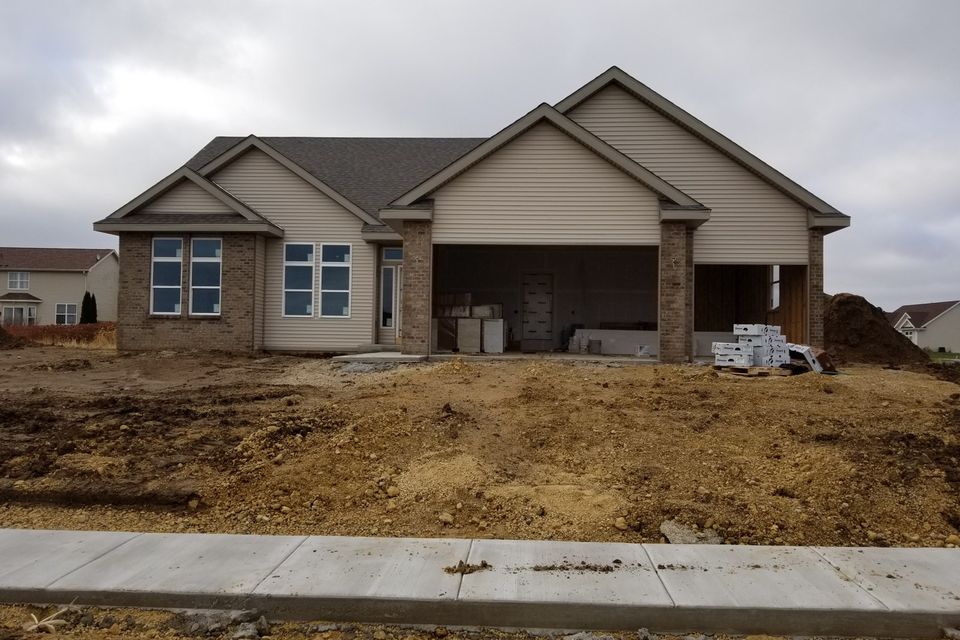
Get it done before the ground freezes. Wet soil against a foundation freezes, expands and pushes on the wall, and that's how small cracks get bigger. And whatever doesn't drain in the fall comes back as snowmelt in the spring.
If you already see water in the basement, cracks that are growing, or a sump pump that runs constantly, fix the grading and also read our guides to foundation cracks and testing your sump pump.
Mice need a gap about 1/4 inch wide. Here's where to look outside and inside, what to seal each gap with, and how to clean up droppings safely.
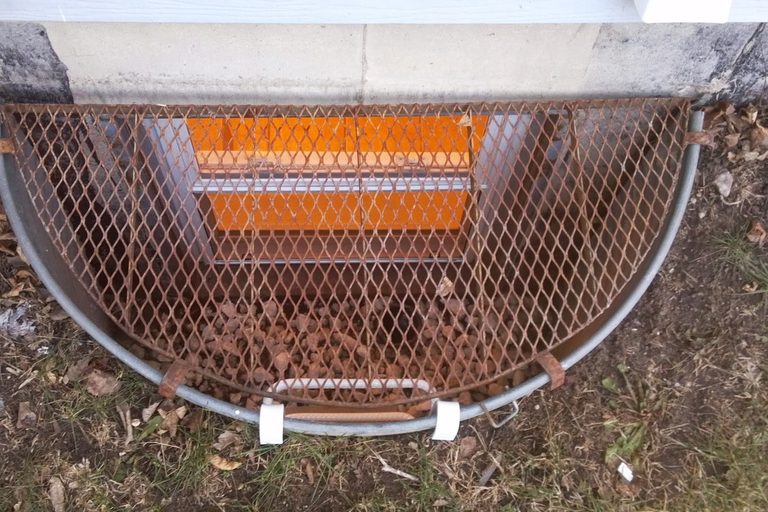
Basement window wells flood, collect leaves, trap animals, and sometimes are the only way out in a fire. How to check the well, the drain and the cover, and what makes a…
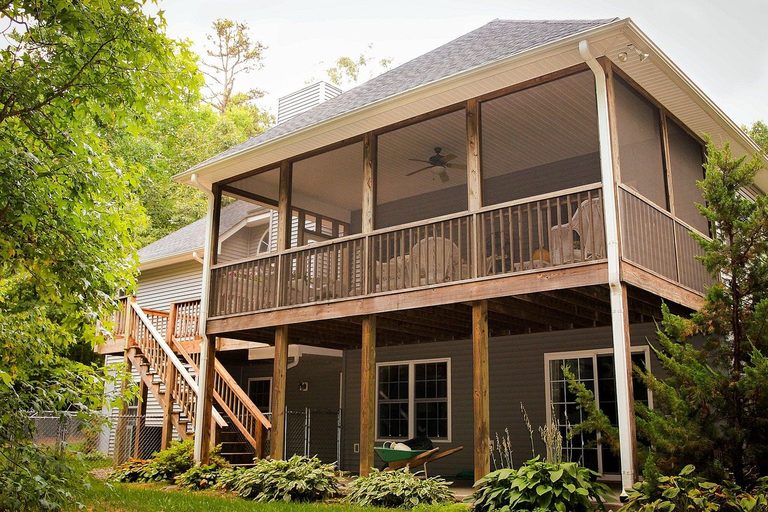
Snow adds weight to a deck that's been baking and soaking all year. How to check the ledger board, flashing, posts, fasteners, railings and stairs in an afternoon, and the warning signs…