A sump pump is one of those things nobody thinks about until the basement has two inches of water in it. It can sit unused through a dry summer and then have to run nonstop through a fall storm or a spring thaw. A ten-minute test, a couple of times a year, tells you whether it's ready.
01When to test
- In fall, before the heavy rains and before the ground freezes.
- In late winter or early spring, before the snowmelt.
- After a long dry spell, when the pump hasn't run in weeks.
- After a power outage, to make sure it came back on.
02The 10-minute test
- Find the pump and the outlet. Make sure the pump is plugged in (or hard-wired) and the outlet has power. Many pumps plug into a GFCI outlet; if it tripped, the pump is dead. Press reset.
- Take off the pit cover if it has one.
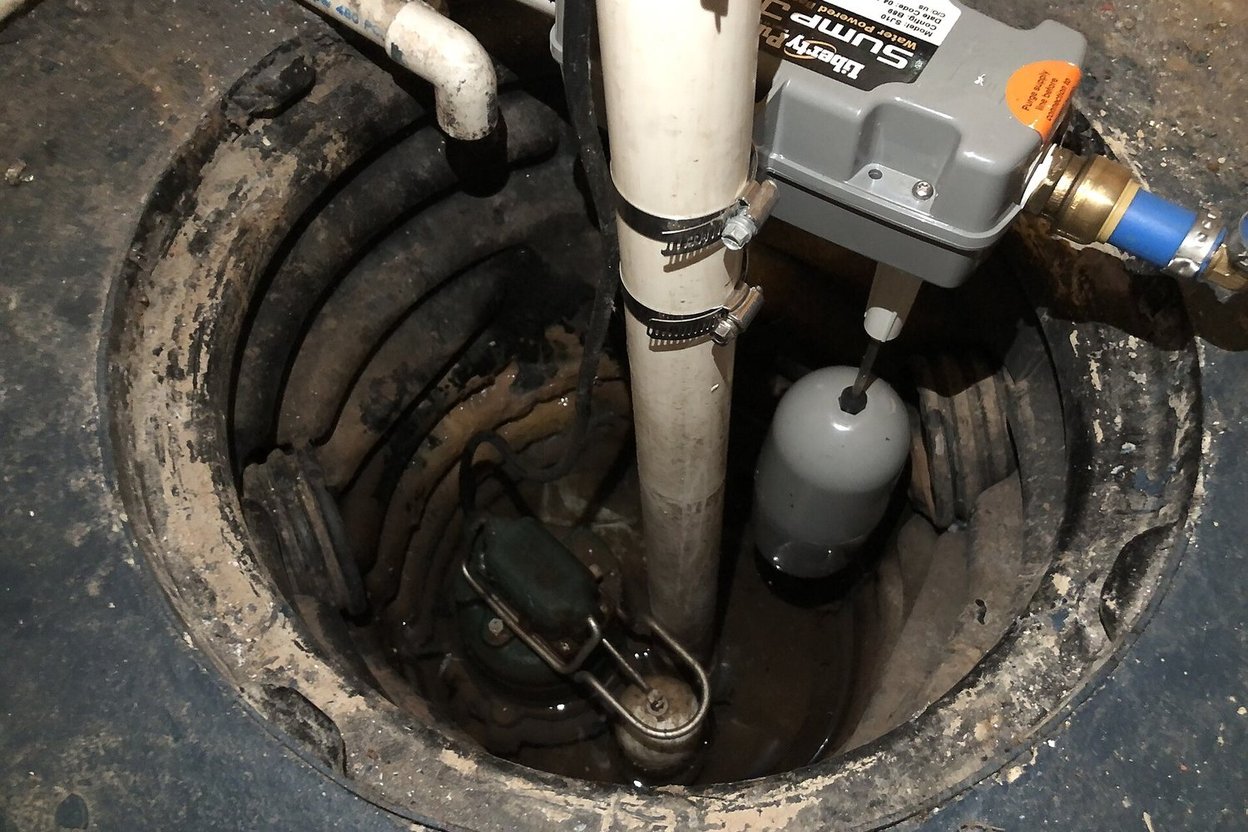
- Pour water into the pit slowly with a bucket. A 5-gallon bucket is usually enough to lift the float.
- Watch the float rise. The pump should start on its own.
- Watch it empty the pit and shut off by itself once the water drops.
- Listen. A smooth hum is normal. Grinding, rattling or screeching means wear.
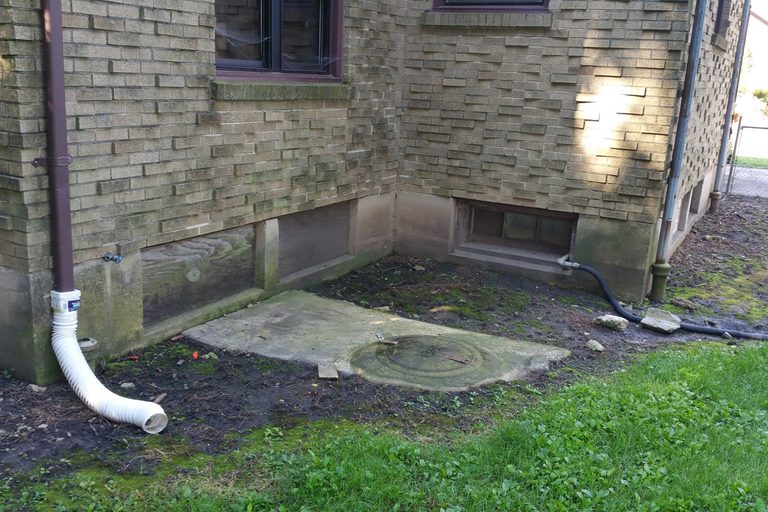
- Go outside and check where the water comes out. It should flow freely and drain away from the house.
03What else to check
- The float. It should move freely, not snag on the pit wall or the cord.
- The check valve. That's the valve on the discharge pipe that keeps water from falling back into the pit. If water rushes back after the pump shuts off, the valve may be bad.
- The discharge line outside. It should be clear, not buried, crushed or clogged with leaves. In winter, make sure it can't freeze shut; a frozen discharge line means the pump runs with nowhere to send the water.
- Where the water goes. It should drain well away from your foundation, not back toward the house or onto a neighbor's yard.
- The pit. Clear out gravel, silt and debris that can clog the pump's intake.
- The age. Many sump pumps last somewhere around 7 to 10 years, depending on how often they run. If yours is older and works hard, plan to replace it before it fails.
04Signs your sump pump needs work
- It runs constantly, even when it's dry outside.
- It turns on and off rapidly (short-cycling).
- It doesn't start when the float rises.
- It's loud, vibrates or smells burnt.
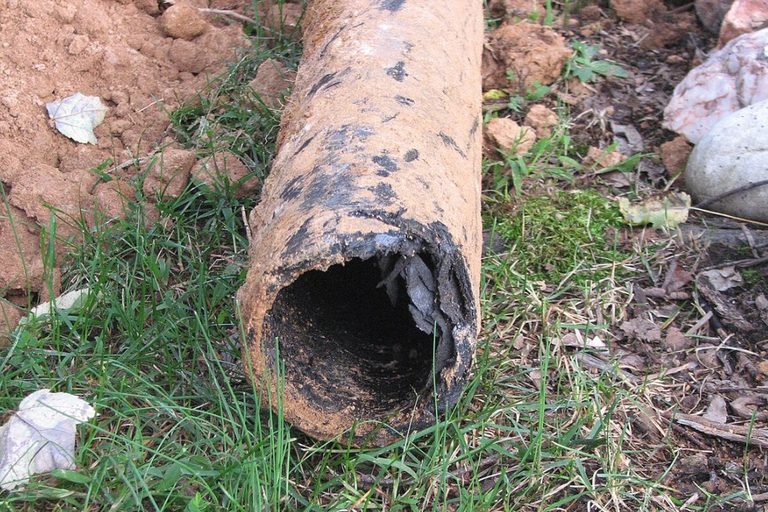
- Rust or corrosion on the pump or the pipe.
- Water in the basement even though the pump is running.
05Backups worth having
- A battery backup pump or a backup system that runs when the power goes out. Storms that bring heavy rain often knock out the power, too.
- A water alarm in the pit or on the basement floor that beeps when water gets too high.
- A water-powered backup pump in some homes with city water (check your local code).
For more on keeping the pump running when the grid goes down, see our friends at The Midwest Prepper: keeping the sump pump running in an outage.
06When to call a pro
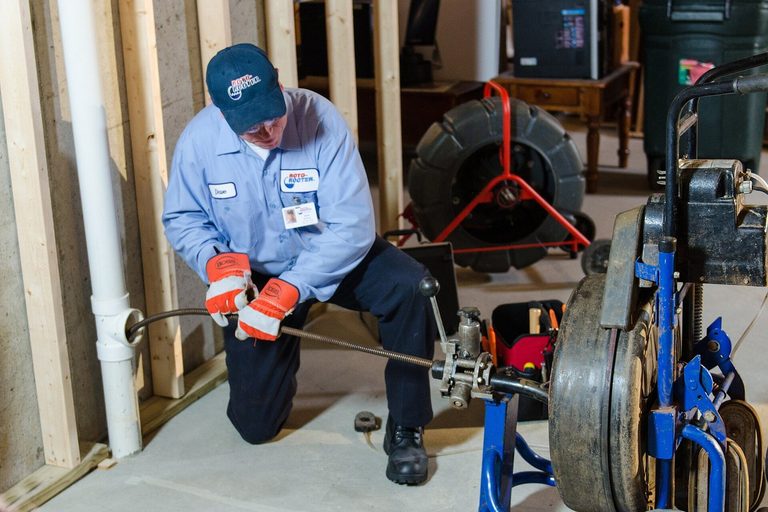
Call a plumber or waterproofing contractor if the pump doesn't start, the check valve fails, the discharge line needs rerouting, or you're not sure the pump is sized right for your house.
Ten minutes with a bucket of water is cheap insurance against a flooded basement. Put it on your fall home inspection checklist.
Photo: 2023-07-30 20 08 18 A newly-installed sump pump in the basement of a house along by Famartin, CC BY-SA 4.0.
Related: How to Find a Hidden Water Leak in Your House