Exterior
How Mice Get In Every Fall: A Homeowner's Check for Entry Points
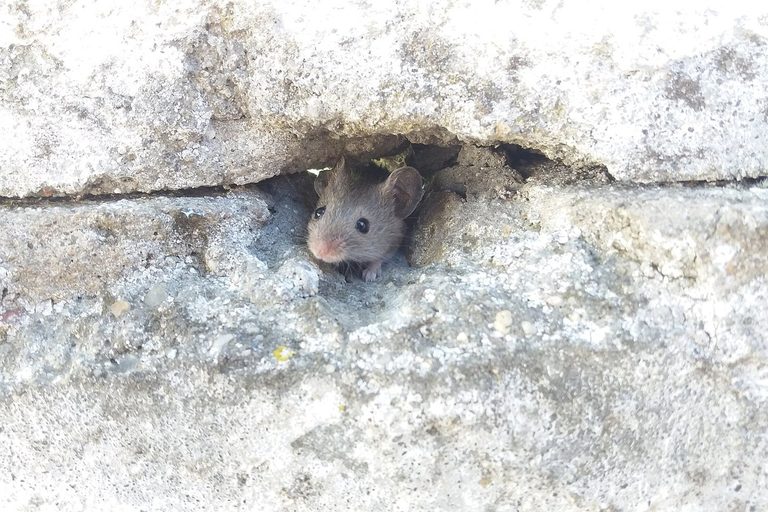
Mice need a gap about 1/4 inch wide. Here's where to look outside and inside, what to seal each gap with, and how to clean up droppings safely.

Snow adds weight to a deck that's been baking and soaking all year. How to check the ledger board, flashing, posts, fasteners, railings and stairs in an afternoon, and the warning signs that need a pro.
A deck takes more abuse than almost any other part of a house. It sits in the sun all summer, soaks up rain all fall, and then holds a foot of snow all winter. Wet snow is heavy, and a deck with a rotted connection can fail under it, or under a crowd at the next cookout.
The North American Deck and Railing Association (NADRA) puts out a free consumer checklist, and most of it can be done in an afternoon with a flashlight and a screwdriver.
The ledger is the board that attaches the deck to the house. It carries a big share of the deck's weight, and it's where most serious deck failures start.
Take a screwdriver and push it into the wood in several spots: the ledger, the posts near the ground, the joists, the beam, and the stair stringers. Sound wood resists. If the screwdriver sinks in a quarter inch or more, or the wood feels spongy, that's rot.
Look for split, cupped or soft boards, and nails or screws working their way up. Those are trip hazards, and a soft board can mean rot underneath.
A loose ledger, rotted posts or beams, railings that move, rusted-out hardware, or a deck older than about 20 years that's never been looked at. A deck builder or a home inspector can tell you whether it needs repairs or replacing.
The American Wood Council publishes the standard construction guide most deck builders use (DCA 6), if you want to see what a correctly built deck looks like. Decks are also on our fall home inspection checklist.
NADRA: Deck Evaluation Guide · NADRA: Deck Safety Checklist (PDF) · American Wood Council: DCA 6 Deck Construction Guide
Photo by JamesDeMers on Pixabay.
Mice need a gap about 1/4 inch wide. Here's where to look outside and inside, what to seal each gap with, and how to clean up droppings safely.
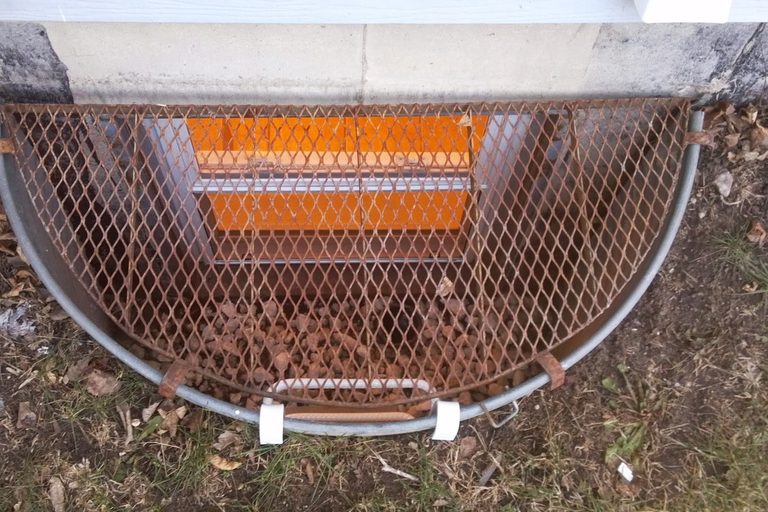
Basement window wells flood, collect leaves, trap animals, and sometimes are the only way out in a fire. How to check the well, the drain and the cover, and what makes a…
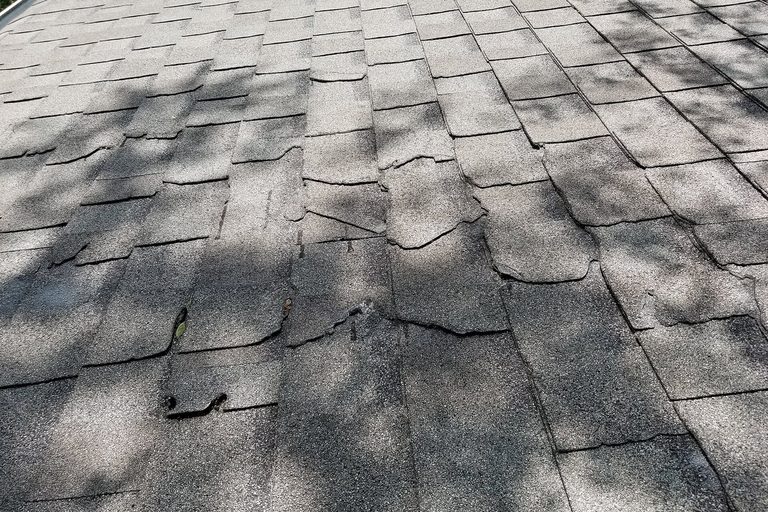
You don't have to climb a ladder to check your roof before winter. What to look for from the yard with binoculars, what the gutters tell you, and what to find in…