Inspection FAQ
Credit or repairs. What buyers are asking for after the report
Compare a repair credit, completed repairs, and a price cut after a home inspection, with loan limits and how to get terms in writing.

Learn how to pick the right home inspector with our comprehensive guide. Check their credentials, reputation, attention to detail, and more
Pick the inspector yourself, not off a list handed to you by someone who gets paid when the deal closes. Then check five things before you book: a valid state license (if your state licenses inspectors), membership in a real trade association, proof of errors and omissions insurance, a sample report you can actually read, and a straight answer about who refers them work. An inspector who clears all five, takes two to three hours on an average house, and answers your questions in plain English is the one you want.
A typical inspection runs about $300 to $425, with HomeAdvisor putting the national average around $344. That’s a small number next to the price of a house, so don’t shop on price alone. Fifty dollars saved on a rushed inspector can cost you a furnace or a roof you didn’t see coming.
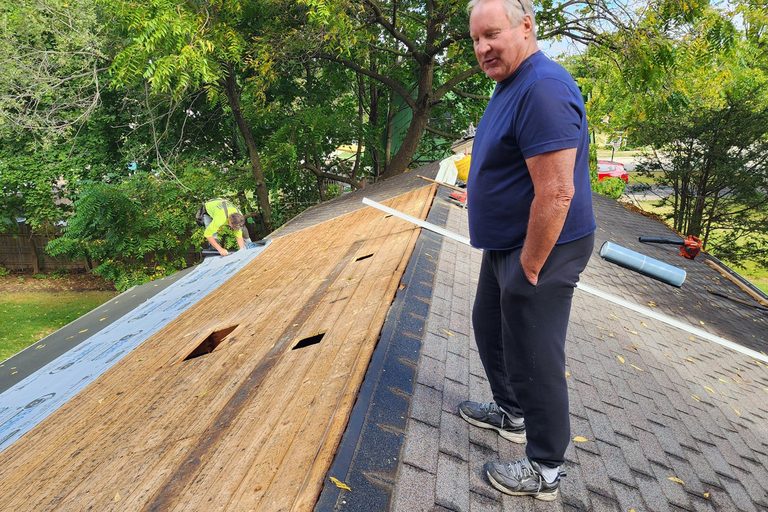
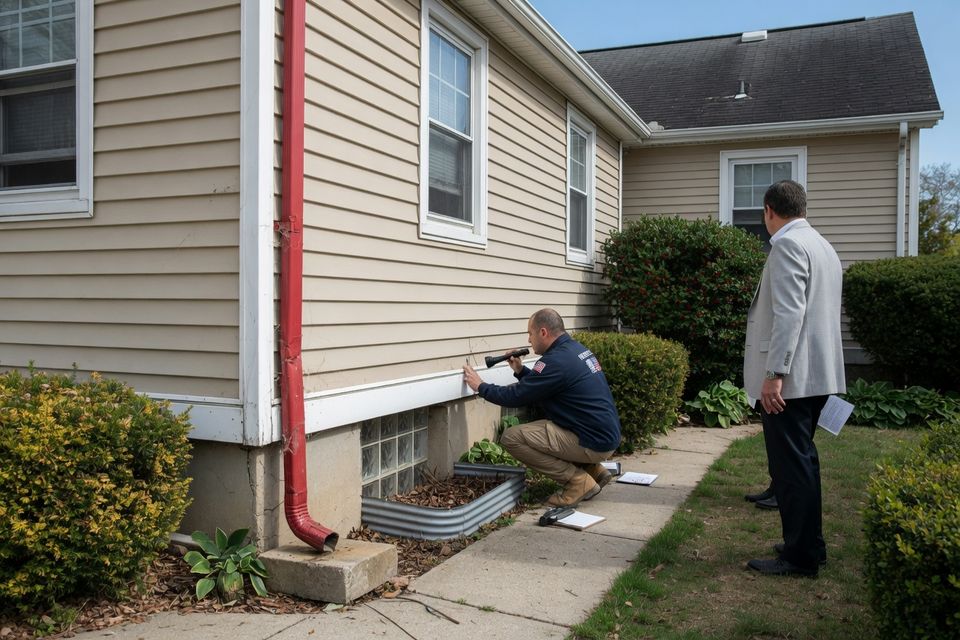
A home inspector walks the house from the roof covering to the foundation and reports what they can see: the roof, exterior, structure, plumbing, electrical, heating and cooling, interior, insulation and ventilation. It’s a visual, non-invasive check. They don’t open walls, and they’re not a code official or a contractor.

What you get is a written report, usually with photos, that tells you what’s broken, what’s unsafe, and what’s on its way out. You use that report to ask the seller for repairs or a credit, to budget for what’s coming, or to walk away while your inspection contingency is still open.
Walkthroughs show you paint and countertops. They don’t show you a double-tapped breaker, a slow drain line leak under the kitchen, or a furnace heat exchanger that’s past its life.
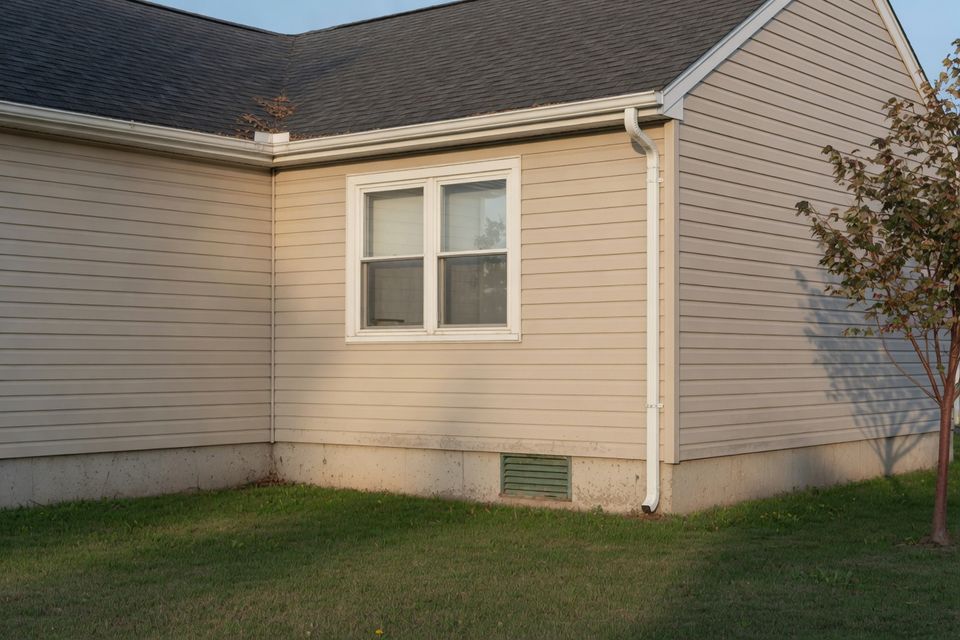
Water damage and mold behind finished surfaces can run into the thousands to fix, and once you close, that bill is yours. If you’re on the fence, read whether to inspect or not before you waive anything.
Somewhere between 32 and 35 states license or regulate home inspectors, depending on how you count. The rest don’t, which means anyone with a flashlight can call themselves an inspector there.
If your state licenses inspectors, look the person up on the state licensing board’s website before you book. You’re checking that the license is active, that the name matches the business you’re talking to, and whether there are any disciplinary actions on file. It takes two minutes.
If your state doesn’t license inspectors, the trade association membership and the insurance below matter even more.
The two big national groups are the American Society of Home Inspectors (ASHI) and the International Association of Certified Home Inspectors (InterNACHI). Both publish a standards of practice that spells out what a member must inspect, and a code of ethics that limits conflicts of interest. Most member directories let you search by name or zip code.
You may still see the National Association of Home Inspectors (NAHI) on older websites and business cards. That group closed as an independent association in 2016, and its name now belongs to InterNACHI. Treat an inspector who only lists NAHI as someone whose website hasn’t been touched in a while, and ask what they belong to today.
Membership alone doesn’t prove skill. What it gives you is a written standard to hold the inspector to and an ethics code you can point to if something goes wrong.
Ask how many inspections they’ve done, how many years they’ve been at it, and whether they inspect full-time. “Four years” from a full-timer means far more than “four years” from someone who inspects on weekends.
Then ask what they did before inspecting. Former builders, remodelers, electricians and HVAC techs tend to catch things a classroom-only inspector walks past. If your house has something unusual (a crawl space, a 1920s electrical system, a septic tank, a flat roof), ask whether they’ve inspected that kind of thing before and how they handle it.
The report is the product you’re paying for. Ask every inspector you’re considering for a sample report from a real house, with the address removed.
A good one has:
A bad one is a 60-page checklist of boxes with “satisfactory” ticked all the way down and no photos. If you can’t tell from the sample what you’d do next, you won’t be able to tell from yours either.
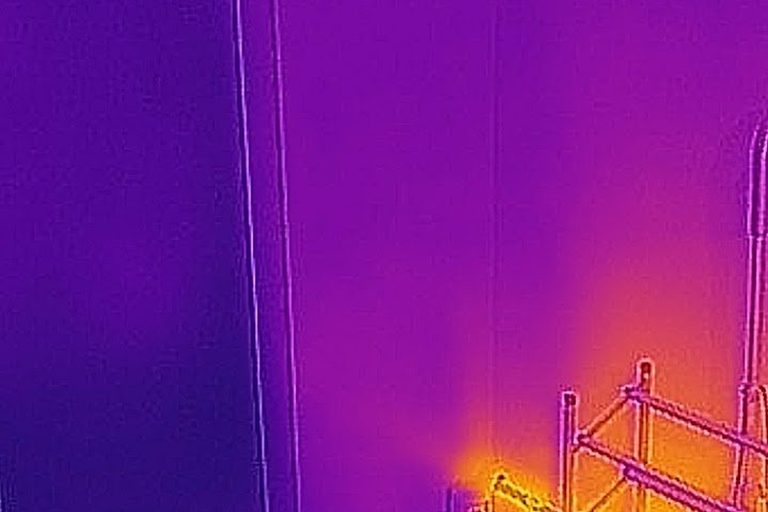
Every inspector should carry a flashlight, a ladder, a GFCI tester and an outlet tester. Beyond that, ask about a moisture meter, which confirms whether that stain on the ceiling is old or still wet, and an infrared camera, which can show cold spots, missing insulation and possible moisture behind drywall. Some inspectors fly a drone over roofs they can’t safely walk.
Tools don’t replace judgment, but an inspector who owns a moisture meter and uses it on every suspicious stain will tell you more than one who just writes “staining observed.”
This is the question most buyers skip. Your real estate agent gets paid when the sale closes. Most agents recommend good inspectors, but an inspector who depends on one agent’s referrals has a reason not to write up every problem.
Ask the inspector directly: “Where does most of your business come from?” and “Do you pay or receive anything for referrals?” Both ASHI and InterNACHI forbid their members from paying agents for referrals or taking anything from anyone with a financial stake in the sale. Some states go further. Massachusetts, for example, bars a listing agent from recommending a specific inspector at all. Check your state’s rules.
Also ask whether they do repair work. Both associations bar members from repairing anything they inspected for 12 months after the inspection. An inspector who offers to fix what he just found has a conflict you don’t want.
The safest path: get names from friends or neighbors who bought recently, check reviews on Google, Angi (formerly Angie’s List) and Yelp, and only use your agent’s list as one source among several.
Errors and omissions (E&O) insurance covers claims that the inspector missed something or got it wrong. General liability covers damage they cause while in the house, like a ladder through a window. Many licensing states require E&O as a condition of the license.
Ask for a certificate of insurance before the inspection day. A real business can email one in minutes. If they hesitate, move on.
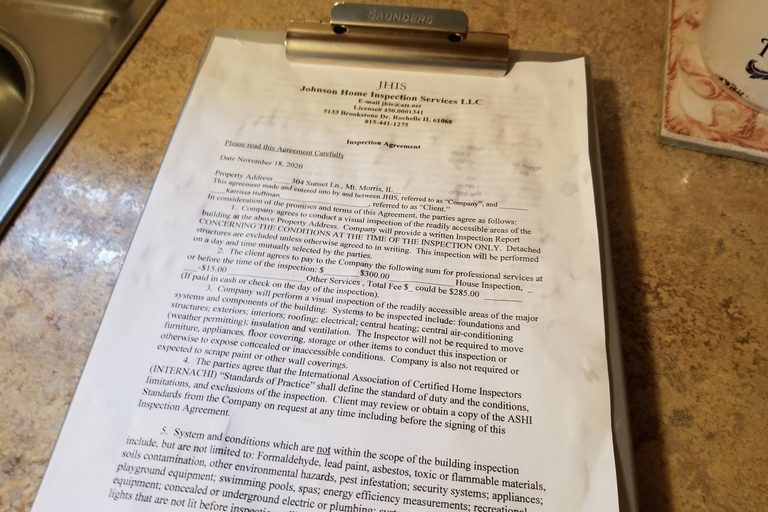
While you’re at it, read the pre-inspection agreement before you sign it. Many agreements cap the inspector’s liability at a small multiple of the fee; InterNACHI’s sample agreement, for example, caps it at 1.5 times what you paid. That’s common, but you should know it before the inspection, not after a missed problem.
One angry review doesn’t mean much; sometimes a buyer expected the inspector to find what was hidden behind a wall. What matters is the same complaint showing up three or four times: “missed the roof leak,” “report took nine days,” “never called back.”
Look at how the inspector answers negative reviews, too. A calm, specific reply is a good sign. A defensive one tells you how they’ll treat you if there’s a problem later. You can also search the Better Business Bureau for complaints filed against the business.
The first phone call tells you a lot. A good inspector calls back within a day, answers questions without talking down to you, and is happy to have you follow along during the inspection.
Ask them to explain something technical, like what “double-tapped breaker” or “negative grading” means. If they can say it in two sentences you understand, they’ll write a report you understand. If they bury you in jargon, or seem annoyed by the question, find someone else.
Ask too whether you can call them after you get the report. You’ll have questions when you’re negotiating repairs, and the best inspectors expect that call.
Book the inspection for a time you can attend, and plan on two to three hours for an average house of about 2,000 square feet. Bigger or older houses take longer. An inspector who says he’ll be done with a full house in 45 minutes is telling you how much he’ll look at.
Walk with them, especially through the basement, attic access and mechanical room. You’ll learn where the main water shutoff and electrical panel are, and you’ll understand the report better because you saw the problems in person.
Call two or three inspectors and ask each one:
Hire the one whose answers come back fast, specific and in writing. That’s usually the one whose report will be the same.
Compare a repair credit, completed repairs, and a price cut after a home inspection, with loan limits and how to get terms in writing.
Learn why an inspection report is not a repair list, how to sort findings into repair, monitor, and evaluate, and make a focused request.
A thermal camera flags possible moisture, missing insulation, air leaks and hot wiring. Learn what a scan can and can't confirm, and what it costs.