Inspection FAQ
Credit or repairs. What buyers are asking for after the report
Compare a repair credit, completed repairs, and a price cut after a home inspection, with loan limits and how to get terms in writing.

Learn what to ask your home inspector with our comprehensive checklist. Ensure an informed decision when buying a new home. Don't miss out!
The questions that matter most at a home inspection are simple: What would you fix first? What’s a safety problem versus normal wear? How old are the roof, furnace, AC and water heater? Where is water getting in? And what did you not inspect? That last one catches more buyers than any other, because a standard inspection skips pools, septic systems, radon, pests, mold and the inside of the chimney unless you pay for them separately.
Below are the questions to ask, grouped by when you ask them and which part of the house they cover, with what a good answer sounds like.
Ask these on the phone, before you pay a deposit. Most inspections happen during a short contingency window, so you want the right person the first time.
If you want a room-by-room list of what the inspector should look at, our home inspection checklist covers it. This post is about what to ask.

Inspectors are careful about calling a house “good” or “bad,” but most will answer this one honestly. It cuts a long report down to the two or three things that actually affect your offer.
A missing GFCI outlet by the sink, a gas smell at the water heater or a double-tapped breaker is a different kind of problem from a dripping faucet or worn caulk. Ask the inspector to sort the list for you. That sorted list is what you take to the seller.
Home inspectors are generalists. When they write “recommend evaluation by a licensed electrician” or “by a structural engineer,” that means they saw something they can’t fully judge. Ask how worried they are, and get that specialist in before your contingency deadline runs out, not after closing.
Age tells you what you’ll be paying for in the next few years. Ask for the age of each big item and how the inspector worked it out (data plate, permit records, or a guess from condition). InterNACHI’s life expectancy chart gives these typical ranges with normal maintenance:
So a 14-year-old tank water heater and an 18-year-old 3-tab roof are both near the end, even if neither leaks today. That’s money you can ask for in a credit, or at least budget for.
Water does more damage over time than almost anything else in a house. Ask the inspector to point out every spot: brown rings on ceilings, soft or cupped flooring, white mineral crust (efflorescence) on basement walls, rusty pipe joints, or a musty smell in the basement or crawl space. Then ask whether each one looks active or old. A moisture meter reading tells you which.
Thin vertical hairline cracks in poured concrete are common and usually from shrinkage. Cracks that are wider at one end, stair-step cracks in block walls, walls bowing inward, or doors and windows that stick on one side of the house are the ones to ask about. If the inspector hesitates, that’s the moment to bring in a structural engineer.
Ask about grading (soil should slope away from the foundation), where the downspouts empty, and whether there’s a sump pump and if it ran when tested. Downspouts that dump right next to the foundation are a cheap fix; a yard that slopes toward the house is not.
Under InterNACHI’s standards, inspectors are not required to inspect for rodents, insects or other pests, though many will mention droppings or mud tubes they happen to see. If you want a real answer on termites, order a separate wood-destroying insect report. Some loan programs require one, so ask your lender.
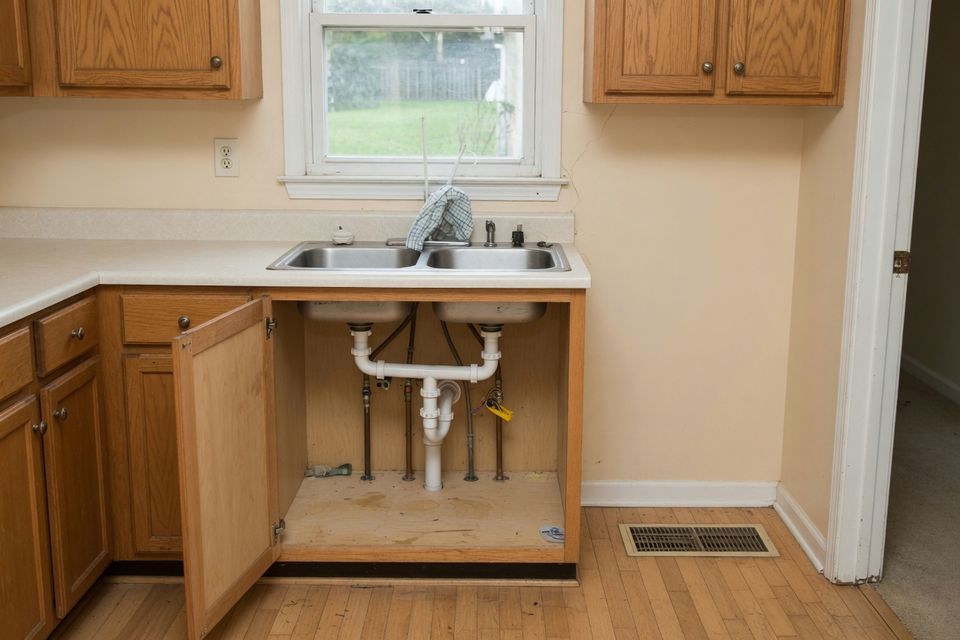
Don’t assume all of them. ASHI’s standard has the inspector run installed ovens, ranges, cooktops, built-in microwaves, dishwashers and disposals through their basic function using the normal controls. Refrigerators, washers and dryers are excluded. InterNACHI’s standards don’t require inspectors to inspect household appliances at all. Ask which ones were run, and check the rest yourself at the final walk-through.
Ask about the panel brand, the service size (amps), any aluminum branch wiring, ungrounded outlets, missing GFCI protection in kitchens and baths, and signs of DIY wiring. If the house is older, ask whether the electrical system can handle what you plan to add, like a heat pump, an EV charger or a bigger kitchen.
Galvanized steel supply lines and old cast-iron or clay drains can mean a re-pipe or a sewer-line repair down the road. The inspector can see what’s exposed, but not what’s buried. If the house is older or has big trees out front, ask about a sewer scope, where a camera is run down the main line.
The attic is where you find the truth about a roof. Ask about dark staining or frost marks on the underside of the roof sheathing, bath fans venting into the attic instead of outside, thin or packed-down insulation, and droppings or nests.
Inspectors aren’t required to identify mold under the InterNACHI standards, but they’ll usually note visible growth or the moisture that feeds it. If they flag something, the moisture source is the real problem. Fix the leak and the mold has nothing to grow on.
InterNACHI’s Standards of Practice list what inspectors don’t have to inspect, including swimming pools and spas, septic systems, wells, radon, the inside of chimney flues, mold and pests. If the house has any of these, ask: “Do you check this, does it cost extra, or who do you recommend?”
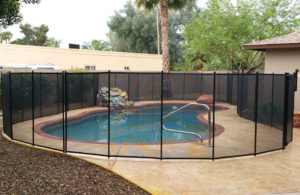
A pool inspection should cover cracks or leaks in the shell, the pump, filter and heater, the electrical bonding and GFCI protection, and the fence. The Consumer Product Safety Commission’s pool barrier guidelines call for a fence at least 4 feet high with self-closing, self-latching gates. Local codes set the actual rule, so check your town or county. Ask the seller how old the equipment is and when the filter was last serviced.
A general inspector usually just notes that the house is on septic. Hire a septic contractor to pump and inspect the tank and check the drainfield. According to the EPA, household systems should be inspected at least every three years and tanks are typically pumped every three to five years. Ask the seller for pumping records. Soggy ground, bright green strips over the drainfield or a sewage smell in the yard are warning signs. Some states and counties require a septic inspection when the house is sold, so check your local rules.
Radon is a colorless, odorless radioactive gas that comes up from the soil, and the only way to know your level is to test. The EPA recommends fixing a home at or above 4 picocuries per liter (pCi/L), and that number has become the usual line in real estate deals. Many inspectors offer a short-term test as an add-on; it needs a couple of days in the house. If it comes back high, the usual fix is a sub-slab depressurization system: a pipe through the basement floor and a fan that vents the gas above the roof. The EPA’s resources for home buyers and sellers include its Home Buyer’s and Seller’s Guide to Radon.
A home inspector will look at the firebox, damper and the chimney from the outside, but not down the flue. The chimney industry’s standard, NFPA 211, calls for a Level II inspection when a property is sold. That’s a camera inspection of the flue by a chimney sweep, ideally one certified by the Chimney Safety Institute of America. Ask when the chimney was last swept, and whether the inspector saw cracked crowns, missing caps, loose bricks or creosote buildup.
The one to remember is number 8. Most expensive surprises after closing come from things nobody inspected, not from things the inspector got wrong.
Compare a repair credit, completed repairs, and a price cut after a home inspection, with loan limits and how to get terms in writing.
Learn why an inspection report is not a repair list, how to sort findings into repair, monitor, and evaluate, and make a focused request.
A thermal camera flags possible moisture, missing insulation, air leaks and hot wiring. Learn what a scan can and can't confirm, and what it costs.