Home Inspection Checklist: A Comprehensive Guide to Ensuring Your Dream Home is Safe
Discover the importance of a comprehensive home inspection checklist with our detailed guide. Ensure your new home is safe and secure.
Read
9 min
Updated
October 6, 2026
A standard home inspection is a visual check of the roof, exterior, foundation, plumbing, electrical, heating and cooling, attic, and interior. Use the checklist below to know what the inspector should look at, what you can check yourself at the showing, and what a standard inspection leaves out. As of October 2026, a single-family inspection runs about $300 to $600, and the visit takes two to four hours depending on the size and age of the house.
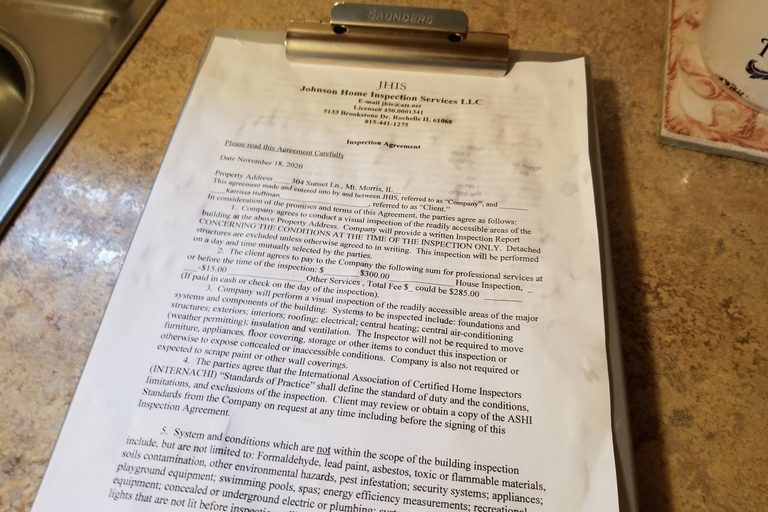
Inspectors work from a written standard of practice. The two big ones come from InterNACHI and ASHI, and many states with inspector licensing have their own version (check your state). InterNACHI also publishes a free home inspection checklist you can print and carry.
Look for cracked or missing bricks, crumbling mortar and a missing or rusted chimney cap.
Gas furnaces and water heaters vent combustion gases through a flue. A rusted, disconnected or blocked flue can push carbon monoxide into the house. Ask the inspector to point out each one.
The dryer vent must end outdoors. The International Residential Code says dryer exhaust has to terminate outside the building, with a backdraft damper and no screen. A dryer vented into the attic, crawl space or garage is a fire and moisture problem.
Bathroom fans should also vent outside, not just blow into the attic.
Siding, trim and grading
Look for cracked, loose or missing siding and gaps where siding meets trim.
Push a screwdriver gently into window trim and the bottom of door frames. Soft wood means rot.
Peeling paint in one spot often points to water getting behind it.
The soil should slope away from the house. If the yard tilts toward the foundation, water ends up in the basement or crawl space.
Windows and doors
Open and close as many windows as you can. Inspectors check a representative sample, not every one.
Fog or droplets between the panes of a double-pane window mean the seal has failed. The glass unit needs replacing; cleaning won’t fix it.
Exterior doors should close and latch without slamming, with no daylight around the edges.
Check that thresholds are solid and caulked. A loose threshold lets rain in under the door.
03Interior
Walls, ceilings and floors
Hairline cracks at drywall corners are usually normal settling. Wide cracks, cracks that run diagonally from door and window corners, or doors that stick and rub can point to movement.
Water stains on ceilings under bathrooms, the roof or the HVAC unit.
Floors that slope, bounce, or have cupped or buckled hardwood. Cupping usually means moisture from below.
Cracked tile that runs in a line across several tiles can follow a crack in the slab underneath.
Electrical
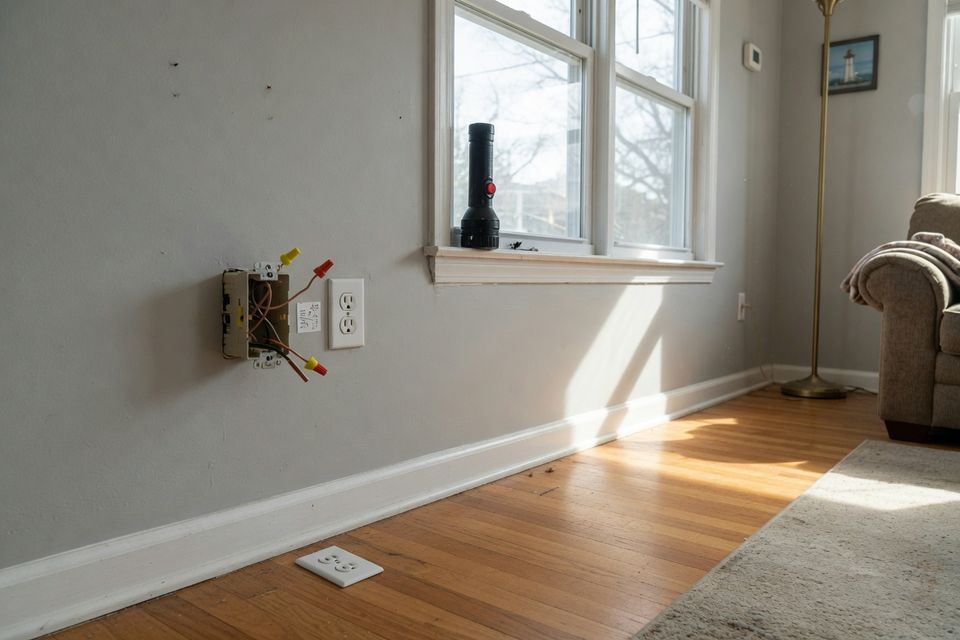
The inspector should open the main panel cover, check the breakers, wiring and grounding, and test a representative number of outlets and switches.
Outlets near sinks, in bathrooms, garages, outdoors and in unfinished basements should be GFCI-protected. Press the test button and make sure power cuts off.
Watch for warm or scorched outlets, flickering lights, two-prong outlets throughout, and extension cords used as permanent wiring.
Smoke and carbon monoxide alarms are on the InterNACHI list. Note where they are and how old they look.
Plumbing
Run every faucet and shower for a minute. Look under each sink for drips, stains and soft cabinet bottoms.
Flush toilets and rock them gently. A toilet that moves can mean a failed seal or a soft floor.
Water pressure: the International Residential Code caps static pressure at 80 psi and requires a pressure-reducing valve above that. An inexpensive pressure gauge that screws onto a hose bib gives you a reading in seconds. Very low pressure can mean corroded pipes or a partly closed main valve.
Find the main water shut-off and make sure it turns.
Water heater: read the date on the label (it is often coded into the serial number). Tank heaters commonly last about 10 to 15 years. Look for rust at the base, a drip pan, and a discharge pipe on the temperature and pressure relief valve that runs down to within a few inches of the floor.
Heating and cooling
The inspector runs the furnace and air conditioner using the thermostat. Ask them to run both if the weather allows. Many inspectors won’t run central AC when it is below about 60°F outside because it can damage the compressor.
Listen for banging, squealing or rattling, and notice any burning or gas smell.
Pull the filter. A filthy filter tells you how the system has been looked after.
Look at visible ductwork for disconnected joints, especially in the attic or crawl space.
Ask the seller for service records and the unit’s age. The data plate on the furnace or condenser usually shows the manufacture date.
04Appliances
Coverage varies here. The ASHI standard has the inspector run installed ovens, ranges, cooktops, built-in microwaves, dishwashers and garbage disposals through their main function. The InterNACHI standard leaves out anything not permanently installed, so a freestanding fridge or washer may not get checked at all. Ask your inspector which appliances they test.
Kitchen
Turn on every burner and the oven. Gas burners should light within a few seconds with a steady blue flame.
Run the dishwasher on a short cycle and look underneath for water when it finishes.
Run the disposal and the range hood fan.
Open the fridge and freezer. Check that they are cold and that there is no water pooled under the drawers or on the floor.
Laundry
Look at the washer supply hoses. Plain rubber hoses are a common cause of floods; the usual advice is to replace them about every five years, and braided steel ones roughly every five to seven.
Check for rust or water stains on the floor under and behind the washer.
Pull the dryer forward if you can and look at the vent duct. It should be rigid or semi-rigid metal, not crushed plastic or foil.
05Structure
Foundation
Thin vertical cracks in poured concrete are common from shrinkage. Horizontal cracks, stair-step cracks in block walls, or cracks wider than about 1/4 inch deserve a closer look.
A basement wall that bows inward usually means soil and water pressure pushing on it from outside.
Look for white chalky residue (efflorescence), water lines on walls, and rust on the bottom of steel posts. All three mean water has been getting in.
If the inspector flags serious foundation movement, hire a structural engineer before your inspection contingency runs out. Lenders may also want repairs done or documented before they fund the loan.
Walls and framing
Sagging rooflines or floors, bowed walls and doors that won’t stay square can all point to framing problems.
In unfinished areas, look for cut or notched joists, sistered boards, and posts sitting on bare dirt.
Water getting into wall cavities over years leads to rot. Stains at the base of exterior walls are the clue to follow.
06Attic, basement and crawl space
Attic
Dark stains on the underside of the roof deck, or rusty nail tips, mean moisture. That is either a leak or poor ventilation.
Insulation should be evenly spread, not crushed or missing in patches. The inspector should note the type and rough depth.
Soffit and ridge or gable vents should be open, not blocked by insulation.
Look for droppings, nests or chewed wiring.
Bath fan and dryer ducts should run all the way to the outside.
Basement and crawl space
A musty smell when you open the door is the first sign of a moisture problem.
Check for standing water, a working sump pump if there is one, and a vapor barrier on the crawl space floor.
Look at pipes and ducts running through the space for leaks, rust and loose straps.
Mud tubes on the foundation walls are a sign of termites. Probe soft wood near the sill plate.
A dehumidifier running nonstop can be good upkeep or a sign the seller has been fighting water. Ask which.
07Before inspection day
Book the inspection the day your offer is accepted. Contingency windows are often 7 to 10 days.
Ask the inspector which standard they follow and which appliances they test.
Add radon, sewer scope, septic or well tests if the house calls for them.
Ask the seller to clear access to the attic hatch, electrical panel, furnace, water heater and crawl space entrance.
Go to the inspection, bring this list, and ask the inspector to show you each problem in person.
When the report comes, sort the findings into safety issues, big-ticket repairs and routine upkeep. Negotiate on the first two.