Inspection FAQ
Credit or repairs. What buyers are asking for after the report
Compare a repair credit, completed repairs, and a price cut after a home inspection, with loan limits and how to get terms in writing.
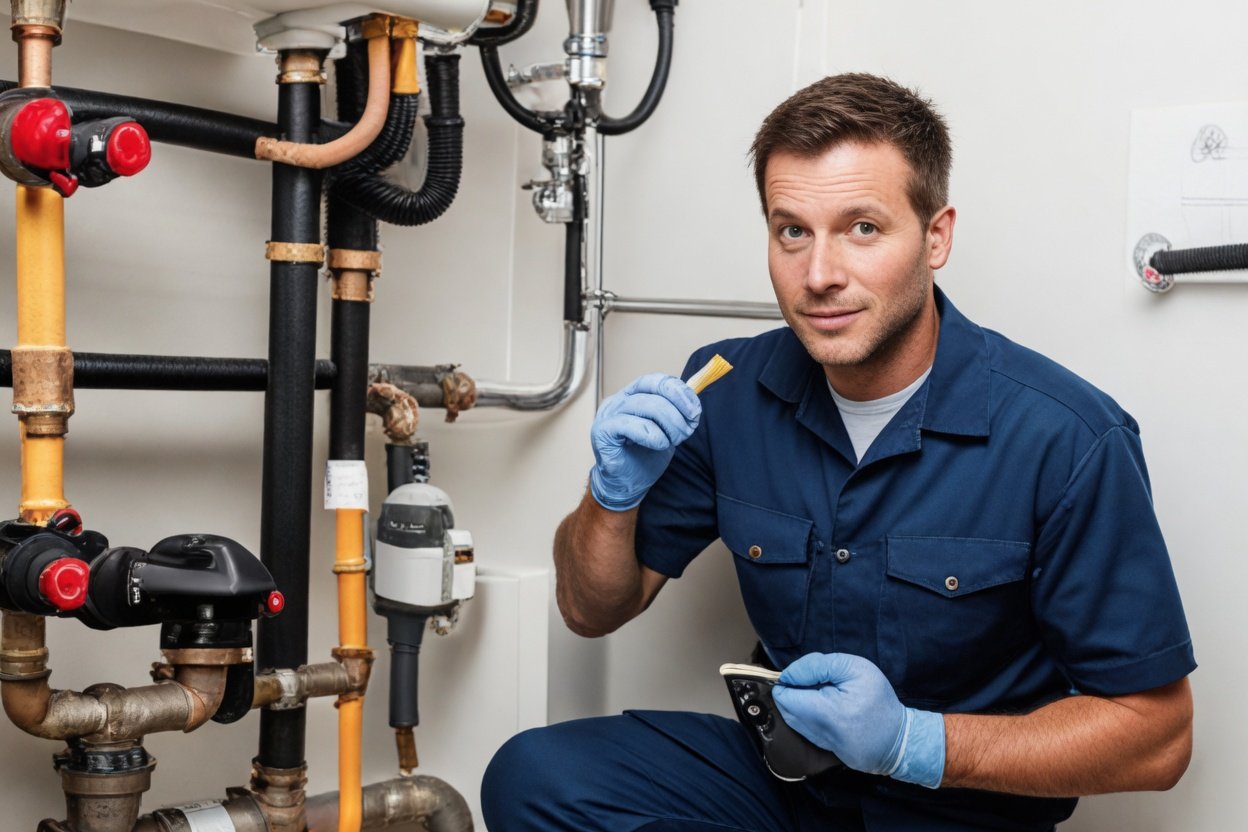
Learn about Inspecting Plumbing systems, the components of a plumbing system, testing procedures, and common issues to look out for.
Buying a home is one of the biggest investments that most people make in their lifetime. It is essential to ensure that the property you are planning to buy is free from any potential problems, including plumbing issues.
A home inspector Inspecting Plumbing is a vital process that helps identify any underlying plumbing problems and ensures the home’s overall safety and functionality.
The plumbing system plays an integral part in any house. The quality of water supply and drainage services can significantly impact your daily life.

A faulty or damaged plumbing system can cause significant damage to your property, leading to costly repairs. Therefore, inspecting the plumbing system during a home inspection is essential for evaluating its condition before buying or selling.
A thorough plumbing safety inspection can detect any underlying issues with the water supply lines, drainage systems, leaks and drips around faucets and pipes that might require fixing or replacing. Identifying these issues early on assists in avoiding unexpected repair bills and prevents future complications with the property.
There are four primary types of plumbing systems found in residential homes:
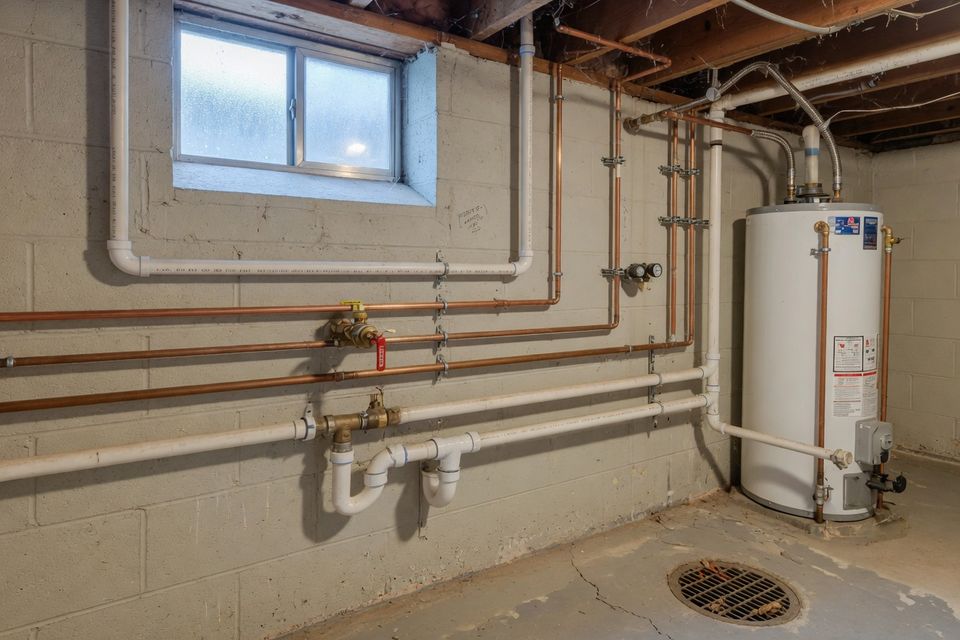
Water supply systems distribute pressurized water throughout the house using pipes made from materials like copper or PVC.
Drainage systems collect wastewater from sinks, toilets, showers etc., and move it to a sewer or septic tank.
Potable water distribution: This type of system provides clean drinking water to households through a network of pipes installed throughout the property.The primary sources of this water are public utilities or private wells.
Sanitary drainage: This type of system collects wastewater from homes and moves it via gravity into sewage treatment plants or septic tanks for disposal.
A typical plumbing system has several components that work together to provide potable water and drain waste effectively. Here is an overview of some essential components:
A home inspector’s exterior inspection involves an assessment of the incoming water supply line. The objective of this inspection is to determine if there are any visible defects or damages that could affect the water supply. The inspector will inspect the piping, connections, and valves to check for any wear or leaks.
They will also ensure that the line meets current building codes and regulations. The inspector may use a pressure gauge to measure the water pressure at various fixtures around the house.
This test ensures that there is enough water pressure to run appliances such as washing machines and dishwashers effectively. If any deficiencies are identified, they should be noted in their report so that repairs can be made.
During an exterior inspection, a home inspector will also check the condition of your sewer line. The purpose of this inspection is to identify any possible blockages or damages in your sewer lines before they become major problems. The inspector will use a camera to inspect your sewer line from outside your home.
The camera can identify issues such as tree roots growing into pipes, cracks or breaks in pipes, as well as blockages caused by debris buildup. These issues could lead to sewage backup into your home if left unaddressed.
An exterior inspection includes checking for proper drainage on the property surrounding your house. A good drainage system prevents flooding and helps protect against foundation damage which affects overall structural integrity.
A home inspector checks downspouts and gutters for proper installation and functionality while looking at whether they are sending water away from foundation walls Drainage systems frequently involve grading soil away from homes while avoiding soil erosion underneath sidewalks and driveways. Any deficiency, such as standing water or soil erosion caused by poor drainage, should be noted for repair.
After completing the exterior inspection, the home inspector will move indoors to evaluate the plumbing system components. Interior inspection covers water heaters, faucets and fixtures, and toilets and sinks. This section will take a closer look at each of these components.
Hot water is an essential component of a modern home plumbing system. The water heater is responsible for heating and distributing hot water throughout the house. During the inspection process, a home inspector will evaluate the condition of your water heater by checking for corrosion, leaks, or other signs of wear and tear.
The inspector will also check if there are any cracks or damage to the gas lines or electrical connections that could pose safety risks. They may also measure the temperature of outgoing hot water to ensure it’s in line with recommended levels.
During an interior inspection, a home inspector will check all faucets and fixtures to make sure they are functioning properly without leaks or drips while providing adequate pressure. These inspections involve turning on each faucet or fixture one by one while observing their performance.
The inspector may also test showerheads using a flow meter to measure the output rate in gallons per minute (GPM). Faucet handles should turn smoothly with no excessive resistance, dripping when turned off completely or leaking within in its baseplate.
Toilets can be prone to many issues like:
-running too long after flushing,
-clogging up due to flushing non-degradable items (such as wipes)
Therefore, inspecting these fixtures is especially important during interior inspections.
Home inspectors evaluate toilets for their flush power, sinks for proper drain flow rate, as well as look for leaks underneath the basin.
If there are any issues found, the inspector may recommend repairs or replacement, depending on the severity of the problem.
The water pressure test is used to determine if the water pressure in your home is at an adequate level. A low or inconsistent water pressure could indicate an issue with your home’s plumbing system.
During this test, the inspector will attach a gauge to an outside faucet or washing machine connection and measure the amount of force behind the water flow. The ideal range for most residential homes is between 40-80 psi.
If your home has high water pressure (above 80 psi), it can cause damage to your pipes, fixtures, and appliances over time. Alternatively, low water pressure (below 40 psi) can result in slow-filling toilets and showers with weak streams of water.
The drainage flow test is used to evaluate how well wastewater drains from sinks, bathtubs, showers, and toilets in your home. During this test, inspectors pour large amounts of water down each drain simultaneously while observing how well it flows through pipes and whether there are any backups or slow drains in other areas of your property.
A lack of proper drainage could indicate a blockage in pipes or even septic tank issues depending on whether there’s an onsite sewage facility (OSSF) installed on the property. It’s important to address any issues related to improper wastewater removal quickly as they can lead to costly repairs down the line.
The leak detection test is used to identify leaks within your home’s plumbing system. During this test, the inspector will turn off all the faucets and appliances that use water supply and then monitor the water meter. If it shows any changes in readings, it means that there is a leak in the system.
Leaks can be caused due to various reasons like a broken pipe, loose connection or even a faulty appliance. Leaks can cause major damage to your home as they can result in mold growth or even lead to structural damage if not caught early enough.
Overall, testing procedures are critical for an accurate evaluation of your home’s plumbing system. By conducting these tests, home inspectors can identify potential issues that may not be visible during initial inspections and prevent costly repairs down the line.
One of the most common plumbing issues that homeowners face is leaks and drips. These seemingly minor issues can quickly escalate into major problems if not addressed promptly. Leaks and drips can cause damage to your walls, floors, and ceilings, as well as lead to mold growth and other health hazards.
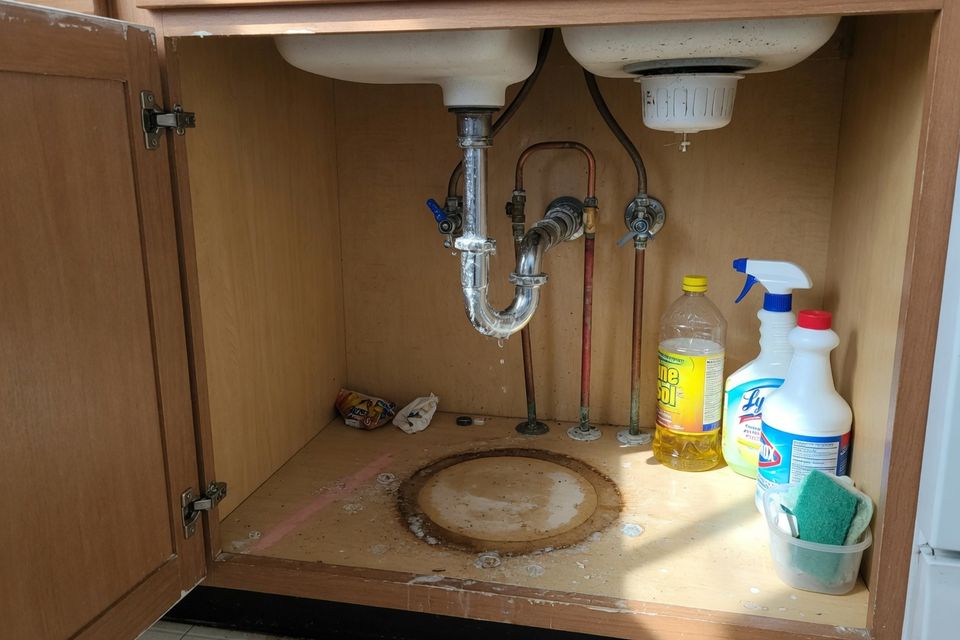
To identify leaks and drips during a home inspection, plumbers will often use specialized equipment such as moisture meters or thermal imaging cameras. They will also visually inspect all visible pipes under sinks, toilets, showers, and tubs for signs of water damage or corrosion.
If left unchecked, leaks and drips can cause significant damage to your property over time. It’s essential to address these issues immediately by calling in a professional plumber before they become more severe.
Clogs and blockages are another common plumbing issue that homeowners may face. A clogged drain can cause water backups in your sink or shower, leading to unpleasant odors or even flooding in severe cases.
During a home inspection, plumbers will check all drains for proper flow by running water through them while observing the rate at which it drains away. If there are any signs of slow drainage or water backup during this test, the plumber may use specialized equipment such as a drain snake or hydro-jetting machine to clear any blockages.
There are several things you can do at home to prevent clogs from forming in the first place. Avoid pouring grease down your kitchen sink drain, always use a hair catcher in your shower or bathtub drains to catch any hair before it goes down the drain.
Corrosion and rust are two signs of wear-and-tear that can occur in any plumbing system. These issues are often caused by exposure to hard water or chemicals, and they can lead to a variety of problems, including leaks and reduced water pressure.
To identify corrosion and rust during a home inspection, plumbers will visually inspect all visible pipes under sinks, toilets, showers, and tubs for signs of discoloration or rust. They may also test your water for hardness or use specialized tools such as a borescope to inspect hidden pipes for signs of corrosion.
If left unchecked, corrosion and rust can cause severe damage to your plumbing system over time. It’s crucial to address these issues promptly by calling in a professional plumber who can recommend the best course of action based on the severity of the damage.
Overall, a thorough plumbing inspection during a home inspection is essential to ensure the long-term functionality and safety of a home. Plumbing issues can cause significant damage and pose serious health risks, so it’s crucial to catch them early. By working with a qualified home inspector who understands the ins and outs of plumbing systems, you can take proactive steps to keep your home in top condition.
The plumbing system is one of the most critical components in any home. It carries water through pipes, removes waste, and helps maintain comfortable living conditions. Unfortunately, plumbing problems can happen at any time, leading to costly repairs and potential health hazards for you and your family.
That’s why it’s vital to hire an experienced home inspector who knows how to assess your plumbing system accurately. A comprehensive plumbing inspection should cover both interior and exterior elements of the system.
For instance, inspectors should check for leaks or signs of corrosion on pipes inside your walls or under sinks. At the same time, they must determine whether external factors such as tree roots have infiltrated your sewer lines or if there are other drainage-related issues that need addressing.
In addition to hiring a professional inspector who can evaluate your entire plumbing system thoroughly, there are some practical steps homeowners can take on their own. Maintaining good hygiene practices like not flushing non-degradable objects down toilets will help prevent clogs from forming in drains.
Regular inspections by plumbers will also help identify minor problems before they escalate into something more significant. Ensuring that valves are frequently used regularly also goes a long way toward avoiding issues with sediment build-up when they aren’t frequently opened or closed.
Regular maintenance and inspection of your plumbing system is an essential part of keeping your home safe and sound. With the right professional assistance and some basic preventive measures, you can enjoy a healthy, comfortable living space for years to come.
Compare a repair credit, completed repairs, and a price cut after a home inspection, with loan limits and how to get terms in writing.
Learn why an inspection report is not a repair list, how to sort findings into repair, monitor, and evaluate, and make a focused request.
A thermal camera flags possible moisture, missing insulation, air leaks and hot wiring. Learn what a scan can and can't confirm, and what it costs.