Inspection FAQ
Credit or repairs. What buyers are asking for after the report
Compare a repair credit, completed repairs, and a price cut after a home inspection, with loan limits and how to get terms in writing.
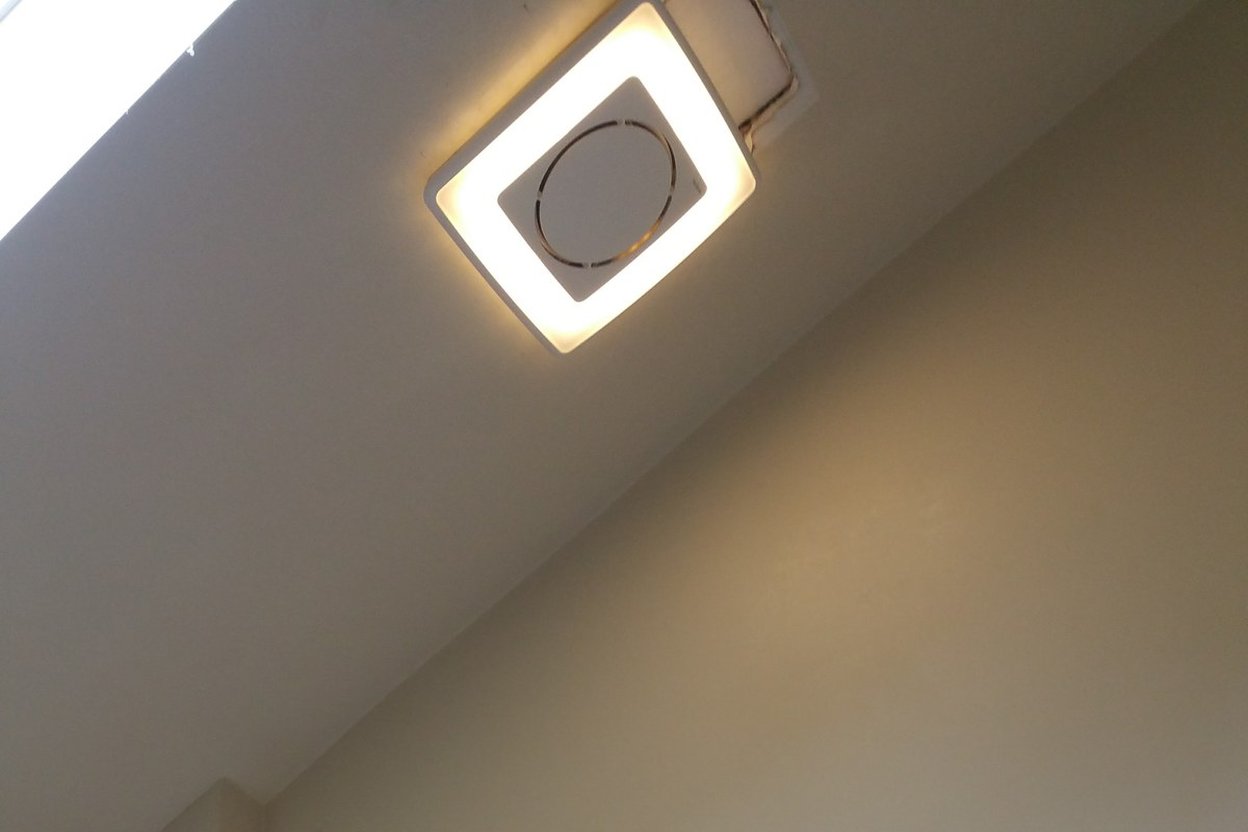
A bathroom fan that dumps steam into the attic causes mold, frost and rot all winter. How to tell where yours goes, whether it's working, and how long to run it.
A bathroom fan is supposed to take the steam from your shower and send it outside. A surprising number of them send it into the attic instead, or into the space between the ceiling and the roof, or nowhere at all. It's one of the most common things a home inspector writes up, and in winter it can do real damage.
A hot shower puts a lot of moisture into the air. If the fan dumps it into a cold attic, that moisture condenses on the underside of the roof boards, freezes into frost on the nails, and then melts and drips. Over a winter or two you get stained insulation, moldy roof sheathing and rotting wood. Building codes require bathroom exhaust to go outdoors, not into an attic, soffit or crawl space.
If the fan doesn't work at all, the moisture stays in the bathroom instead: peeling paint, mildew on the ceiling, and moldy grout.
Pull the grille off (they usually pop down on spring clips) and vacuum the dust off the fan blades and housing. A clogged fan moves a fraction of the air it should.
From the attic (carefully, stepping only on the joists): find the fan housing above the bathroom and follow the duct.
From outside: look for a vent cap on the roof or wall near the bathroom. Turn the fan on and see if the flap opens.
Run it during the shower and for about 20 minutes after. A timer switch or a humidity-sensing switch makes this automatic and is a cheap upgrade.
Extending the duct to a proper roof or wall vent is a straightforward job for a handyman or a roofer. If there's already mold on the roof boards, get it looked at by someone who handles mold and ventilation. Our guides to attic insulation and ventilation, ice dams, and mold vs. mildew explain how it all ties together.
Compare a repair credit, completed repairs, and a price cut after a home inspection, with loan limits and how to get terms in writing.
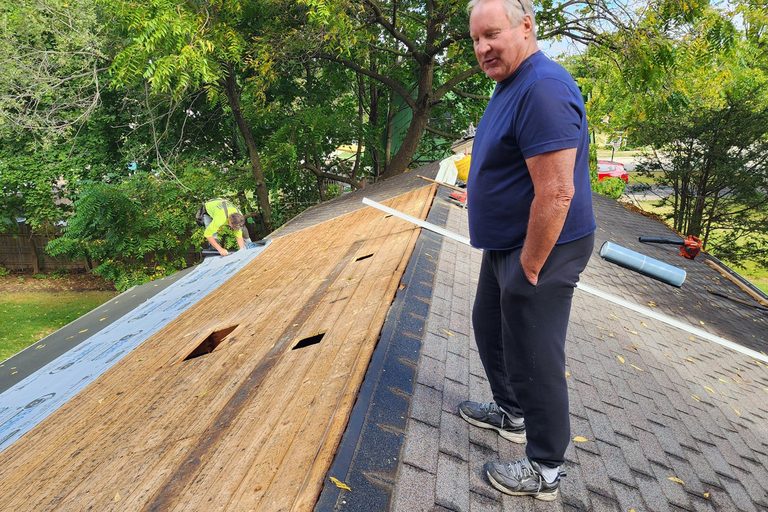
Learn why an inspection report is not a repair list, how to sort findings into repair, monitor, and evaluate, and make a focused request.
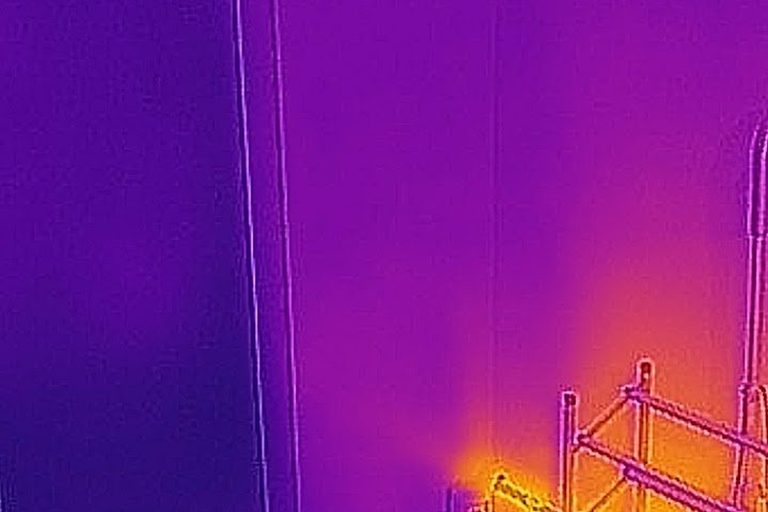
A thermal camera flags possible moisture, missing insulation, air leaks and hot wiring. Learn what a scan can and can't confirm, and what it costs.