Inspection FAQ
Credit or repairs. What buyers are asking for after the report
Compare a repair credit, completed repairs, and a price cut after a home inspection, with loan limits and how to get terms in writing.
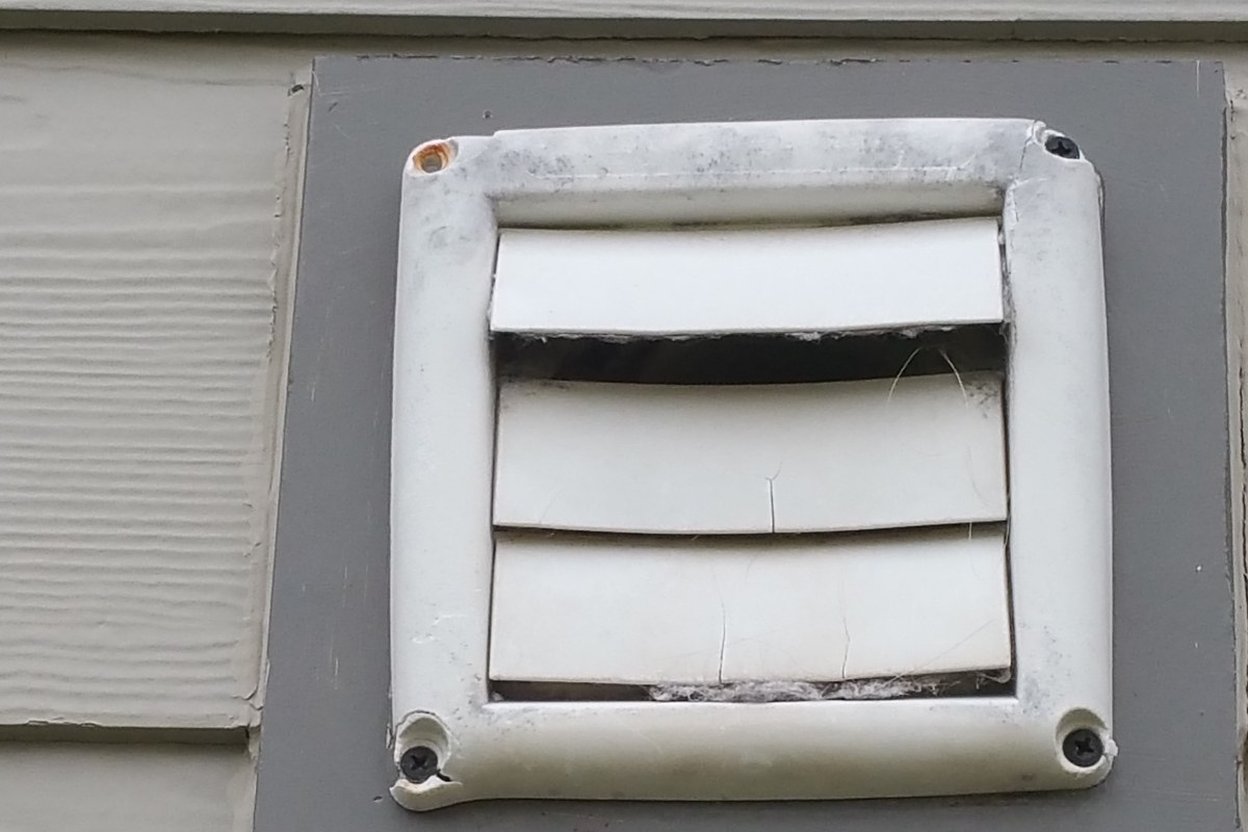
About 2,900 home dryer fires a year, and failure to clean is the top cause. How to check the lint trap, the duct, and the outside flap in ten minutes, and what kind of duct is safe.
Clothes dryers start about 2,900 home fires a year in the U.S., according to the U.S. Fire Administration. The leading cause is simple: nobody cleaned it. Lint is mostly fine fibers, and a duct packed with it sitting next to a heating element is kindling.
Fall is a good time to check, because laundry loads get heavier with sweatshirts, blankets and towels, and a clogged vent outside often gets worse once leaves and snow show up.
Clean the lint screen every load. Clean the duct at least once a year, more often for big families or long duct runs. If the run is long, goes up through the roof, or you can't reach it, hire a dryer vent cleaning service.
Every home should have working smoke and CO alarms, especially on the laundry floor. Dryer vents are also on our fall home inspection checklist.
Compare a repair credit, completed repairs, and a price cut after a home inspection, with loan limits and how to get terms in writing.
Learn why an inspection report is not a repair list, how to sort findings into repair, monitor, and evaluate, and make a focused request.
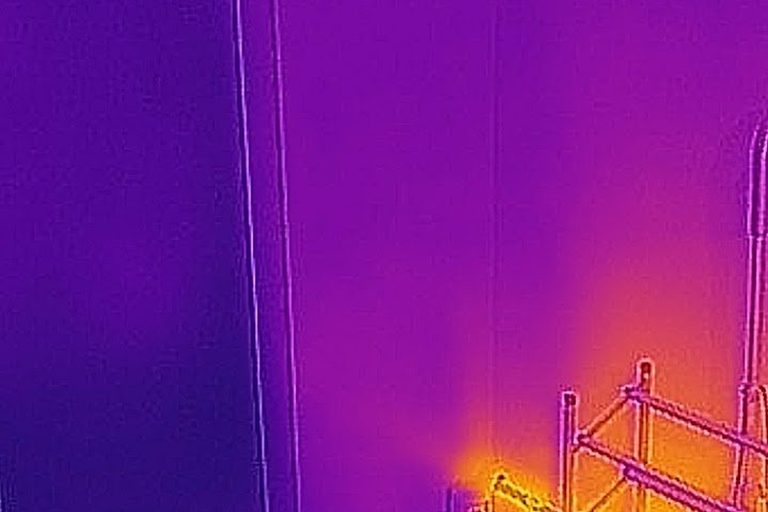
A thermal camera flags possible moisture, missing insulation, air leaks and hot wiring. Learn what a scan can and can't confirm, and what it costs.