Inspection FAQ
Credit or repairs. What buyers are asking for after the report
Compare a repair credit, completed repairs, and a price cut after a home inspection, with loan limits and how to get terms in writing.

Learn about the importance of home inspections when selling a house. Discover what to expect, how to prepare, and what to do if an issue arises.
For most sellers, yes: get a pre-listing inspection. It costs roughly $300 to $500 for a typical 2,000-square-foot house (as of October 2026), and it shows you what the buyer’s inspector will find before a buyer can use it to cut your price or walk away. The main catch is that once you know about a defect, most states expect you to disclose it, so only order one if you’re ready to fix things or be upfront about them.
Below is how to decide, what buyers usually inspect, how to get ready, and what to do when the report comes back ugly.
The buyer is almost certainly going to hire their own inspector. The only question is whether you hear the bad news first, with time to fix it on your terms, or in the middle of escrow, with a deadline and a nervous buyer.
A pre-listing inspection gives you:

Skip it if the house is only a few years old and still under a builder warranty, if you’re selling as-is to an investor or cash buyer who’s pricing in a gut rehab anyway, or if you already know the big problems and plan to disclose them and price the house to match.
Also weigh the disclosure question. Most states require sellers to disclose known material defects, usually on a state disclosure form. A few states, such as Alabama and Arkansas, lean toward “buyer beware,” but even there you can’t lie when asked or actively hide a defect. Once a pre-listing report puts a cracked heat exchanger on paper, you know about it. Check your state’s disclosure rules, or ask your listing agent, before you book the inspection.
For most buyers, no inspection is legally required. What you’ll run into are lender rules, contract terms, and a few federal and local requirements:
With a few add-ons, buyers often spend $800 to $1,500 total (as of October 2026). That’s small next to the cost of replacing a collapsed sewer line or a failed septic field.
Sellers: several weeks before you list. That leaves time to get quotes and schedule contractors without pushing back your listing date.
Buyers: Right after your offer is accepted, inside your inspection contingency. That window is often 7 to 10 days, but it’s whatever your contract says, and it can be shorter in a hot market. Book the inspector the day the offer is signed, because good inspectors are often booked several days out, especially in spring.
Don’t waive the contingency to win a bidding war unless you can afford to absorb a major surprise. Without it, finding a bad furnace or a rotted deck doesn’t get you out of the contract.
Usually the buyer, the buyer’s agent, and the inspector. Plan on a few hours for an average-size house, longer for big or old ones.
Sellers generally stay away. It’s awkward for the buyer to ask frank questions with the owner standing there, and sellers tend to explain or argue with every finding. The listing agent may let everyone in, or there may just be a lockbox.
As the buyer: a notebook or your phone for notes and photos, a list of questions (that ceiling stain, the age of the water heater), and clothes you don’t mind getting dusty if you plan to look in the attic or crawl space with the inspector.
As the seller, leave out for the inspector:
Most of this costs nothing and keeps the report from filling up with “could not access” notes, which make buyers suspicious.
Then leave for the afternoon.
Many inspectors prefer you arrive near the end for a walk-through of what they found. Seeing a soft spot in the subfloor in person tells you more than a photo in a 60-page PDF.
Photograph the items the inspector points to, and note where the main water shutoff, gas shutoff, and electrical panel are. You’ll want that on move-in day.
Inspectors aren’t contractors and often won’t quote repair prices, but they’ll tell you whether something is a safety issue, a “watch it” item, or routine maintenance, and what kind of pro to call.
Follow along, but don’t hover. An inspector who’s interrupted every two minutes is more likely to miss something.

Every house has a list, new construction included. A 20-year-old house with 40 findings is normal. What matters is the handful of big-ticket or safety items.
Most inspectors send the report within a day or two, often as a PDF or web report with photos. Expect it to be long. Inspectors write up everything from missing outlet covers to roof damage.

Sort the findings into three piles:
Then, through your agent, you either accept the house as is, ask for repairs, ask for a credit or price cut, or cancel within the contingency period.
If you’re the seller and the buyer’s report comes back rough:

If the buyer walks away, you now know about those defects, and in most states you’ll need to disclose them to the next buyer. Fix what you can and price for the rest.
If you’re the buyer: one bad roof isn’t automatically a reason to walk. Get a quote, ask for a credit, and decide whether the house still works at the new number. Walk when the problems are bigger than your budget or when the seller won’t move on safety issues.
No. An inspection report isn’t a repair list, and in a normal sale no law makes a seller fix what’s on it. What you owe depends on your contract and your state’s disclosure rules.
In practice, though:

Fixing every item also won’t guarantee the buyer stays. Focus on what a reasonable buyer would worry about, and let the small stuff go.
Not sure a pre-listing inspection is worth the money? Walk the house with a flashlight first. If you find any of these, book the inspection:
If you find none of them, you may be fine skipping it. Either way, fill out your state’s disclosure form honestly.
Compare a repair credit, completed repairs, and a price cut after a home inspection, with loan limits and how to get terms in writing.
Learn why an inspection report is not a repair list, how to sort findings into repair, monitor, and evaluate, and make a focused request.
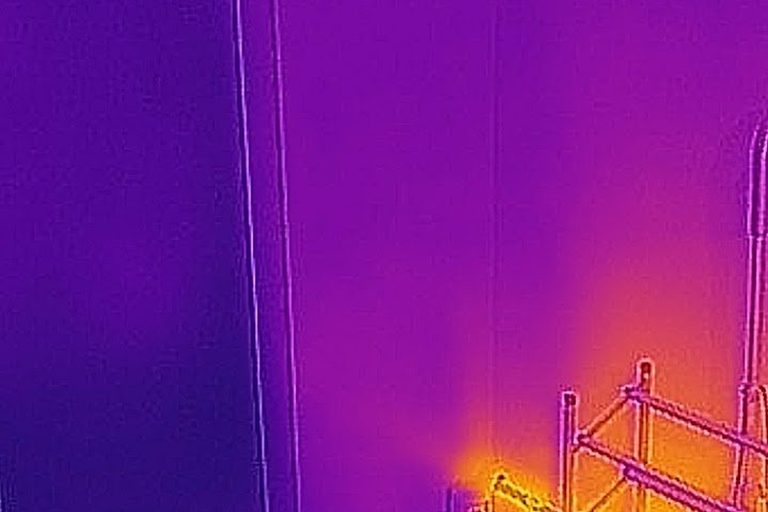
A thermal camera flags possible moisture, missing insulation, air leaks and hot wiring. Learn what a scan can and can't confirm, and what it costs.