Exterior
How Mice Get In Every Fall: A Homeowner's Check for Entry Points
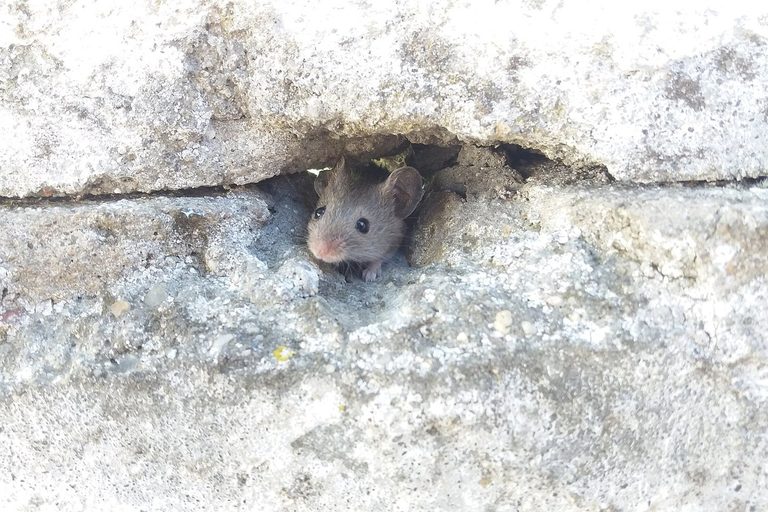
Mice need a gap about 1/4 inch wide. Here's where to look outside and inside, what to seal each gap with, and how to clean up droppings safely.

Cold air sneaking in around windows and doors costs you money all winter. Simple ways to find the leaks yourself, cheap fixes that work, and what low-E glass actually does.
The first cold night of fall tells you where your house leaks. You feel it on your ankles near the patio door, or on your face when you sit next to the living room window. Finding those leaks takes an afternoon and a few things you already own, and most of the fixes cost less than a tank of gas.
If a double-pane window looks foggy or has water spots between the two panes, the seal has failed. The insulating gas or dry air that was sealed in has leaked out. You can't wipe it clean, and it won't insulate as well as it did. The glass unit can often be replaced without replacing the whole window.
Low-E stands for "low emissivity." It's a microscopically thin metal coating on the glass that reflects heat. In winter it bounces your furnace heat back into the room; in summer it helps keep the sun's heat out. You can't see it, but you can find it: hold a lit match or a flashlight near the glass and look at the reflections. On many low-E windows, one of the reflections has a slightly different color than the others.
Low-E glass helps with heat moving through the glass. It does nothing for air leaking around the window. A brand-new low-E window with a bad seal or no caulk still lets cold air in, so check the seal first.
Call a window contractor if the frame is rotted, the window won't lock, the sash won't stay up, or the seals have failed on several windows. Rot around a window can mean water is getting into the wall, too.
Drafts and ice dams have the same root: warm air escaping where it shouldn't. While you have the incense out, check the attic hatch and insulation too.
Mice need a gap about 1/4 inch wide. Here's where to look outside and inside, what to seal each gap with, and how to clean up droppings safely.
Basement window wells flood, collect leaves, trap animals, and sometimes are the only way out in a fire. How to check the well, the drain and the cover, and what makes a…
Snow adds weight to a deck that's been baking and soaking all year. How to check the ledger board, flashing, posts, fasteners, railings and stairs in an afternoon, and the warning signs…