Inspection FAQ
Credit or repairs. What buyers are asking for after the report
Compare a repair credit, completed repairs, and a price cut after a home inspection, with loan limits and how to get terms in writing.
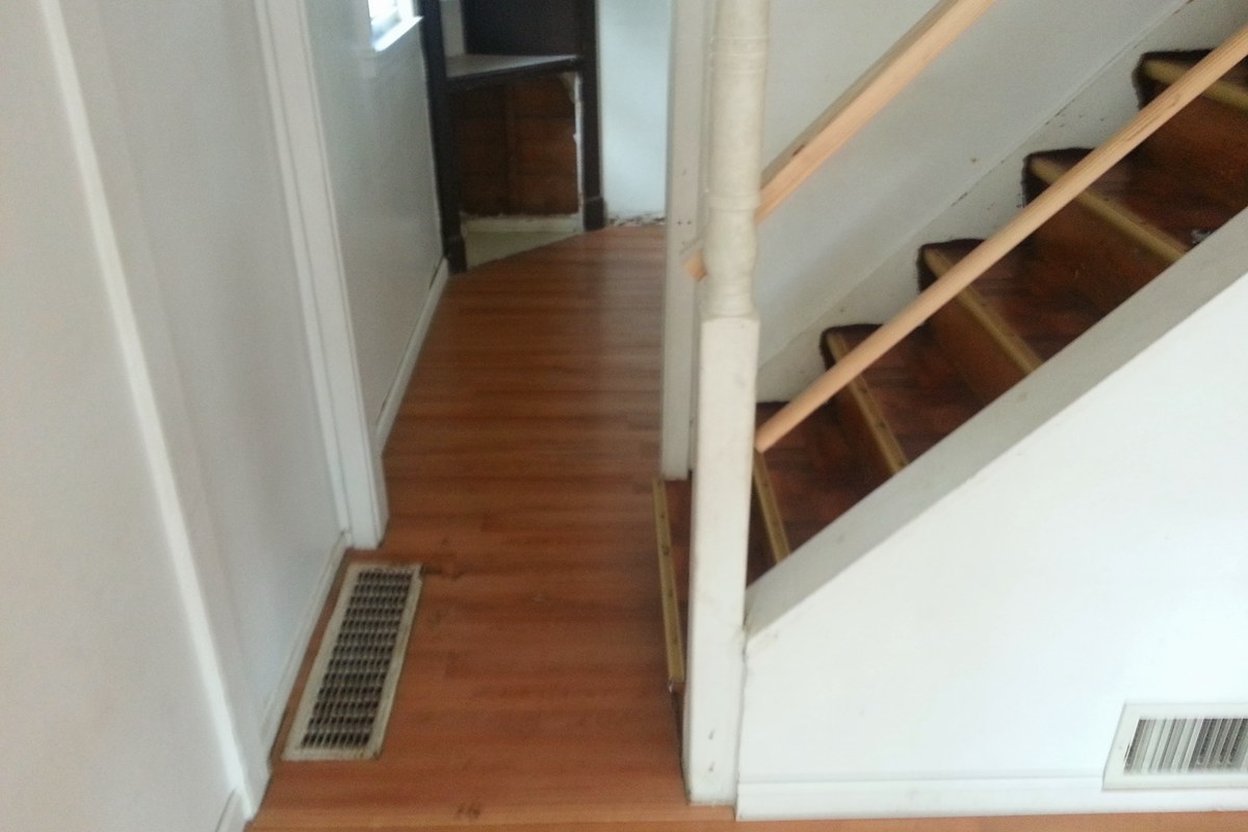
Thanksgiving brings grandparents, toddlers and a lot of traffic on the stairs. How to check handrails, steps, lighting and outdoor stairs before guests show up.
Thanksgiving is about seven weeks out. That means grandparents who don't do stairs every day, toddlers who do stairs badly, people carrying casserole dishes up from the basement freezer, and everybody going up and down in socks. Falls are one of the leading causes of injury for older adults, and stairs are where a lot of them happen. A half hour now can make the house a lot safer for the holidays.
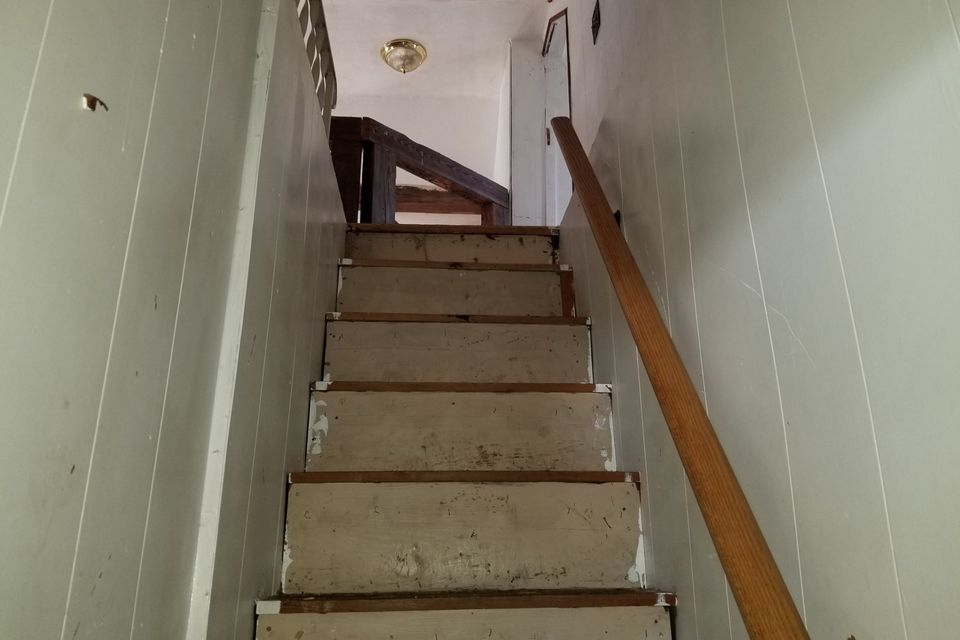
These are often the worst in the house: steep, poorly lit, no rail on the open side, and nobody looks at them because it's "just the basement." If guests or grandparents will be going down for the extra fridge, check them first.
If toddlers are visiting, get a hardware-mounted gate for the top of the stairs. Pressure-mounted gates are meant for the bottom of stairs or doorways, not the top, because they can give way when a child pushes on them.
While you're getting the house ready for guests, test the smoke and CO alarms and check that the furnace is working; our furnace check covers what to look for.
Compare a repair credit, completed repairs, and a price cut after a home inspection, with loan limits and how to get terms in writing.
Learn why an inspection report is not a repair list, how to sort findings into repair, monitor, and evaluate, and make a focused request.
A thermal camera flags possible moisture, missing insulation, air leaks and hot wiring. Learn what a scan can and can't confirm, and what it costs.