Inspection FAQ
Credit or repairs. What buyers are asking for after the report
Compare a repair credit, completed repairs, and a price cut after a home inspection, with loan limits and how to get terms in writing.

Learn what to expect from a home inspection as sellers. Our expert guide covers everything from exterior and interior inspections to report findings.
As a seller, expect the buyer’s inspector to spend about two to three hours going through your house top to bottom: roof, foundation, electrical, plumbing, heating and cooling, plus anything the buyer adds on, like radon or termites. A report usually follows within a day or two, and the buyer uses it to ask for repairs, a credit, or a lower price. You can get ahead of all of it by hiring your own inspector before you list. As of October 2026 that typically costs $300 to $500 for an average single-family home.
Here’s what the inspector looks at, what tends to show up, and what to do before and after.

A pre-listing inspection is the same visual inspection a buyer would order, but you hire the inspector and you get the report first. The upside is time. If the inspector finds a failing water heater in March, you can collect three quotes and pick one. If the buyer’s inspector finds it in May, you’re fixing it on their deadline or knocking money off the price.
The downside: once you know about a defect, you generally have to disclose it. Most states require sellers to disclose known material defects, and a written report makes the knowledge hard to deny. So a pre-listing inspection works best when you’re prepared to either fix what it finds or price the house with those problems in mind. Disclosure rules vary a lot from state to state (a few states lean closer to “buyer beware”), so check your state’s rules or ask your agent before you order one.
Some inspectors market seller inspections under a program name. InterNACHI’s “Move-In Certified” is one: an InterNACHI-certified inspector does the pre-listing inspection, and you can show the report to buyers. Buyers will usually still hire their own inspector, but they go in with fewer surprises.
The home inspection usually takes two to three hours for a house of around 2,000 square feet. Bigger, older, or more complicated houses take longer, and so do add-ons like radon testing. Buyers and their agents often attend. Most agents suggest the seller be gone, so the buyer can ask questions freely.
Before the inspector shows up:
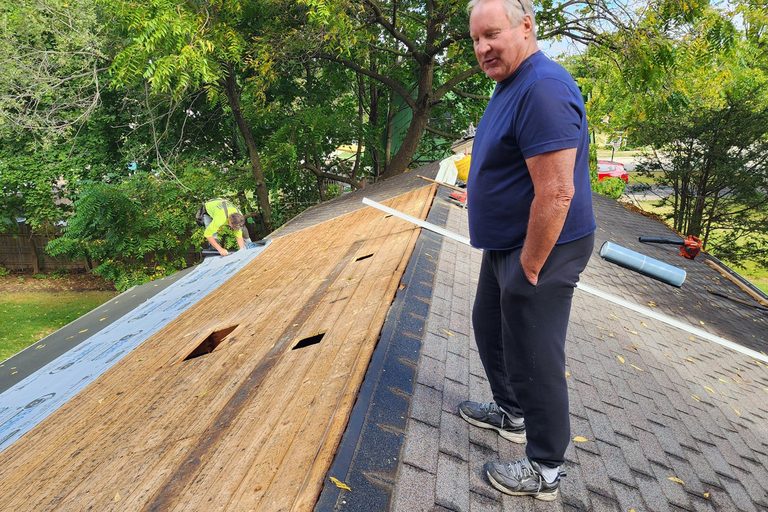
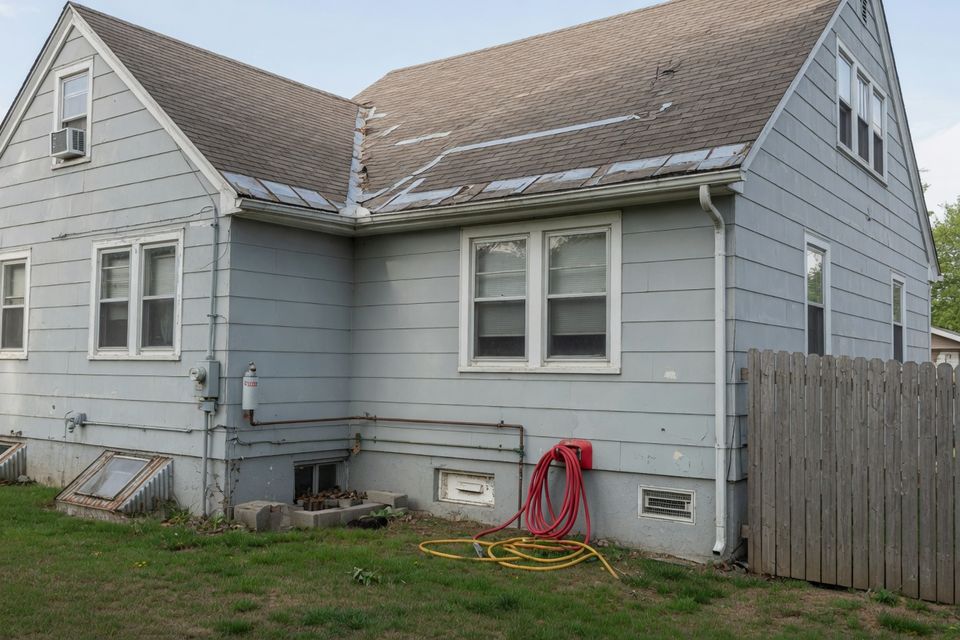
The roof is usually the first thing an inspector looks at outside. They check for missing, curled, or cracked shingles, sagging sections, worn flashing around chimneys and vents, and stains on the attic sheathing underneath. Many inspectors walk the roof if it’s safe, and use binoculars or a drone if it isn’t. Gutters full of leaves and downspouts that dump water right at the foundation get written up almost every time, and they’re cheap to fix before you list.
The inspector looks at the outside of the chimney for crumbling mortar, a loose cap, or a cracked crown, and at whatever part of the flue they can see. A home inspection isn’t a full chimney inspection. If there’s damage, or the fireplace gets a lot of use, the report will probably tell the buyer to hire a chimney sweep for a Level 2 inspection. Dryer, bath fan, and furnace vents should run outdoors, not into the attic.
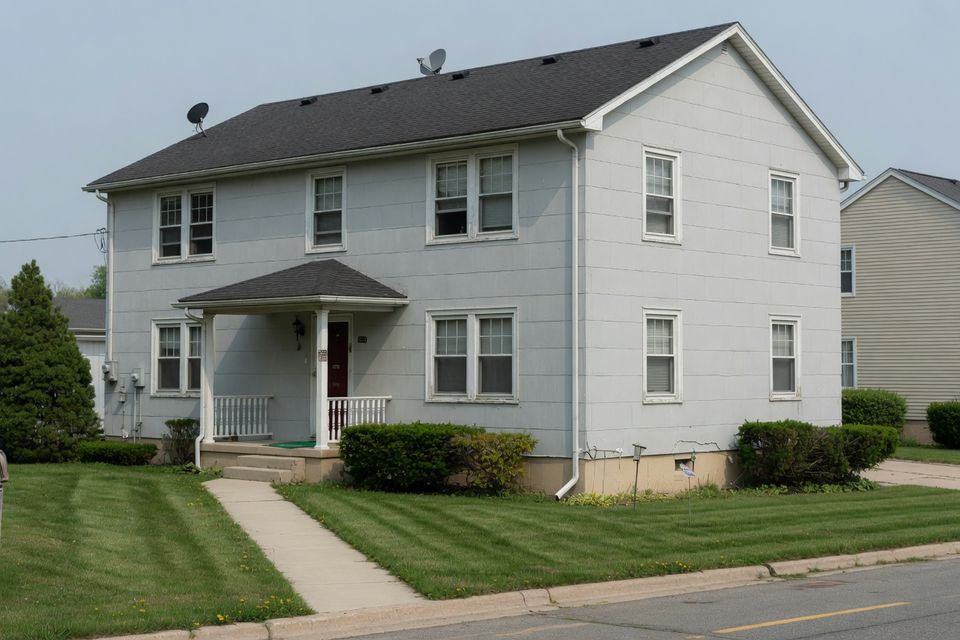
Expect notes on soft or rotted wood trim, cracked or loose siding, gaps where caulk has failed, and peeling paint. On wood clapboard, rot near the bottom courses and around windows is common. Double-pane windows that look foggy between the glass have lost their seal. That isn’t a safety issue, but buyers notice it.
The inspector looks for cracks, bowing walls, and doors or floors that are out of level, and judges whether a crack looks like ordinary shrinkage or ongoing movement. They also check that the soil slopes away from the house. Ground that slopes toward the foundation is one of the most common causes of wet basements, and adding fill dirt is one of the cheapest fixes on any report.
The inspector takes the cover off the main panel (if it’s safe to) and looks for double-tapped breakers, breakers that are too big for the wire they protect, scorch marks, and missing grounding or bonding. Around the house they test a sample of outlets and check GFCI protection in kitchens, bathrooms, garages, and outside. Knob-and-tube wiring, older aluminum branch wiring, and some panel brands with known problems get flagged right away. Buyers’ insurers often ask about those too.
Expect the inspector to run every faucet, flush every toilet, and watch the drains. They look for leaks under sinks, slow drains, low pressure, corroded supply lines, and the age and condition of the water heater, including its temperature-and-pressure relief valve and discharge pipe. Water stains on the ceiling below a bathroom will get a note and probably a moisture-meter reading.
The inspector runs the furnace and the AC (in safe weather; most won’t run an AC below about 60°F outside because it can damage the compressor), checks the temperature at the registers, looks at the filter and ductwork, and estimates the equipment’s age from the data plate. Anything 15 to 20 years old will be called near the end of its service life even if it runs fine. A gas smell or a cracked heat exchanger is a safety item, not a negotiating point.
Stains, cracks over doors and windows, soft spots in floors, and loose or missing stair railings all go in the report. Stains matter more than cracks. A dry old stain from a repaired leak is fine if you have the receipt; a stain that reads wet on a moisture meter is a current problem.
Radon is a colorless, odorless radioactive gas that seeps up from the soil. The EPA recommends fixing a home at 4 picocuries per liter (pCi/L) or higher. During a sale the EPA suggests a short-term test of at least 48 hours: two test kits side by side, two tests back to back, or a continuous monitor. Expect the house to be kept closed up during the test. If the result is high, a sub-slab mitigation system generally runs about $800 to $2,000 installed as of October 2026, and sellers often agree to pay for it or give a credit.
Standard inspections note visible mold and the moisture behind it, but don’t identify or test it. If the buyer orders a separate mold inspection, the assessor may take air or surface samples. The thing to fix is the water source (a leaky pipe, a bath fan that doesn’t vent outside, a damp crawl space). Without that fix, cleanup won’t last.
Termite inspectors look for mud tubes on foundation walls, hollow-sounding or damaged wood, and discarded wings near windows. Some lenders require one. VA loans need one in many areas, reported on the NPMA-33 form, and active infestations usually have to be treated before closing. A wood-destroying insect inspection typically costs about $50 to $200 as of October 2026. VA buyers have been allowed to pay for it themselves since 2022, but who pays is still negotiable.
This one is federal law, not a buyer add-on. If your house was built before 1978, you have to disclose any lead-based paint you know about, hand over any reports you have, give the buyer the EPA pamphlet “Protect Your Family From Lead in Your Home,” and offer a 10-day window for a lead inspection (the buyer can waive it, or both sides can agree in writing to a different length). Your agent will have the forms.
The report will have dozens of items, sometimes 50 or more on an older house, with photos. Most are minor: a loose doorknob, a missing outlet cover, caulk around the tub. Look for the summary, where the inspector pulls out the safety hazards and major defects. Those are what the buyer’s agent will focus on.
Once the buyer has their report, you’ll usually get a repair request. You have three basic options:
Whatever comes up, put it on your state’s disclosure form if the form asks about it. Hiding a known defect is how sellers end up in court after closing. Disclosing it usually just means a slightly different price.
Compare a repair credit, completed repairs, and a price cut after a home inspection, with loan limits and how to get terms in writing.
Learn why an inspection report is not a repair list, how to sort findings into repair, monitor, and evaluate, and make a focused request.
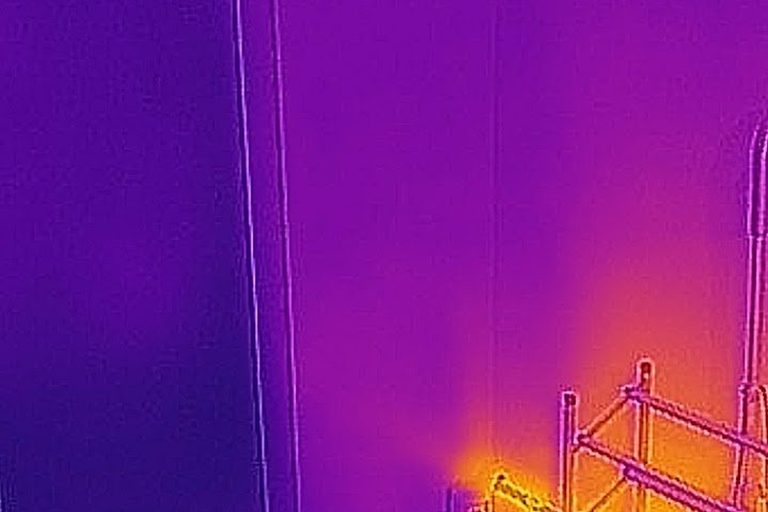
A thermal camera flags possible moisture, missing insulation, air leaks and hot wiring. Learn what a scan can and can't confirm, and what it costs.