Inspection FAQ
Credit or repairs. What buyers are asking for after the report
Compare a repair credit, completed repairs, and a price cut after a home inspection, with loan limits and how to get terms in writing.

Learn how a home inspection helps buyers. Find answers to popular questions such as when to get an inspection, how to prepare, and more.
A home inspection is your one cheap look behind the walls before you sign for a few hundred thousand dollars. It costs about $300 to $425 for a typical house (as of October 2026), takes a morning, and gives you three options: buy as-is, ask the seller to fix or credit the problems, or walk away with your deposit, as long as your contract has an inspection contingency and you act before it runs out.
Below are the questions buyers ask most, answered plainly.
Yes, if the seller lets you in. A pre-offer inspection is common in hot markets, where buyers waive the inspection contingency to make their offer look stronger. Inspecting first means you can still waive it without buying blind.
The catch: you pay for the inspection on a house you may not get, and the seller doesn’t have to allow it. Some inspectors offer a shorter “walk-and-talk” visit for these situations, where they walk the house with you and point things out without writing a full report. It’s cheaper and faster, but you won’t have a report to show anyone later.

It makes sense when you expect several offers and plan to waive the inspection contingency, or when the house is older and you want to know how big the problems are before you name a price. If the market is slow and you can include a normal contingency, inspect after your offer is accepted instead. You only pay once, on a house you’ve actually got under contract.
Yes. Nothing stops you from hiring an inspector for a house you already own. You lose the bargaining power, since the seller has the money and won’t be fixing anything, but you get a list of what needs work and in what order.
It’s worth doing if you waived the inspection to win the house. Book it in the first month, before you open up walls or move furniture in front of problems. If one system worries you more than the rest, go straight to that trade: an HVAC tech for an old furnace, a plumber with a camera for the sewer line.
Usually, yes. Lenders require an appraisal, not an inspection. HUD says plainly that it does not require home inspections for FHA-insured loans; the FHA appraiser only checks that the house meets HUD’s minimum property standards and is worth the price. HUD does make lenders give you a form called “For Your Protection: Get a Home Inspection” so you know the appraisal is not an inspection.
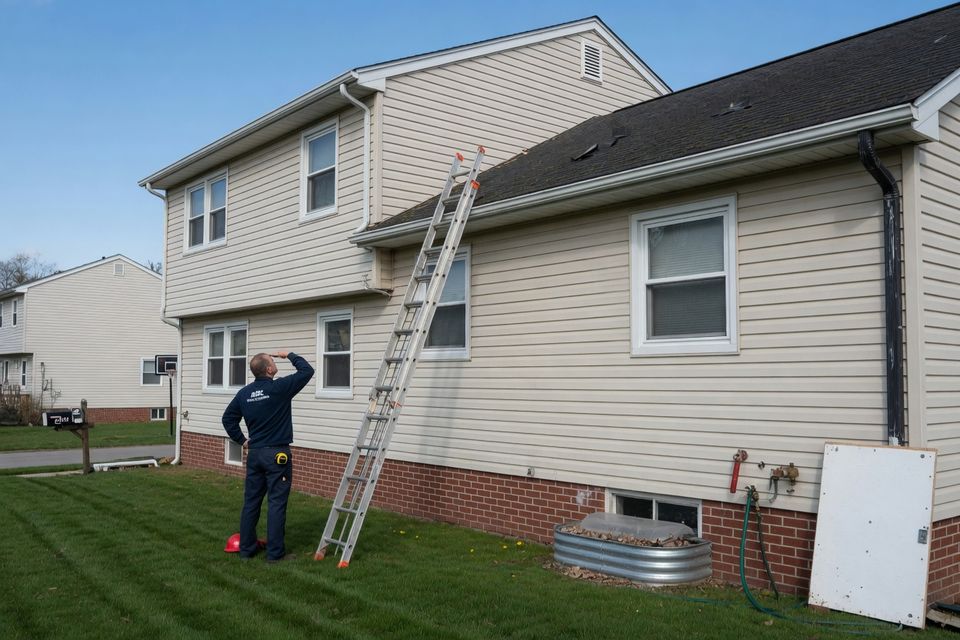
VA loans and conventional loans work about the same way: the appraisal protects the lender, and the inspection is your call. The exception is when the appraiser flags a problem such as a damaged roof, peeling paint on an older home or no working heat. Then the lender may require a repair or a specific inspection (a roof certification or a pest inspection, for example) before closing.
So you can close without an inspection. You just find out about the problems after you own them.
You can, and on this site we think every buyer should do their own walk-through. Run the faucets, flush the toilets, open the windows, look under the sinks, check the ceilings for stains, and sniff the basement. It helps you decide whether the house deserves an offer at all.
It doesn’t replace a professional, for three reasons:
If you want to see what a pro is supposed to cover, read the InterNACHI Standards of Practice. It lists the roof, exterior, foundation and structure, heating, cooling, plumbing, electrical, fireplace, attic and interior. It also lists what a standard inspection skips, including mold, radon and pools, which is useful to know before you assume something was checked.
Most inspectors can come within a few days to a week. In spring and early summer, good inspectors in busy areas can book up a week or two out. Since your contingency clock usually starts when the offer is accepted, call inspectors the same day your offer goes in, not after it’s accepted.
The inspection itself usually takes two to four hours for an average house, longer for big or old homes or if you add radon, sewer or termite checks. Most inspectors send the report within a day or two.
Before you book, check whether your state licenses home inspectors. Most states do, but a handful don’t regulate them at all, so in those states ask about training, certifications (InterNACHI or ASHI) and insurance, and ask to see a sample report.
Yes. A report full of photos and terms like “efflorescence” or “double-tapped breaker” is much easier to understand after the inspector has pointed at the actual thing. Plan to show up for at least the last hour, when most inspectors walk you through what they found.
Follow the inspector, stay out of the way, and ask questions. Good ones to ask: “Is this a safety issue, a repair, or just maintenance?”, “Roughly how old is this?” and “Would you call in a specialist for this?” Take your own photos of anything they point out. Don’t spend the time measuring for curtains; you can do that at the final walk-through.
There’s no expiration date. A report describes the house on the day it was inspected. For a purchase, that report is the one that matters, because it’s tied to your contingency deadline.
If a deal falls apart and you come back months later, or a seller hands you a report from a year ago, get your own. A season of storms, a burst pipe or a quick flip can change a lot, and the old inspector worked for someone else.
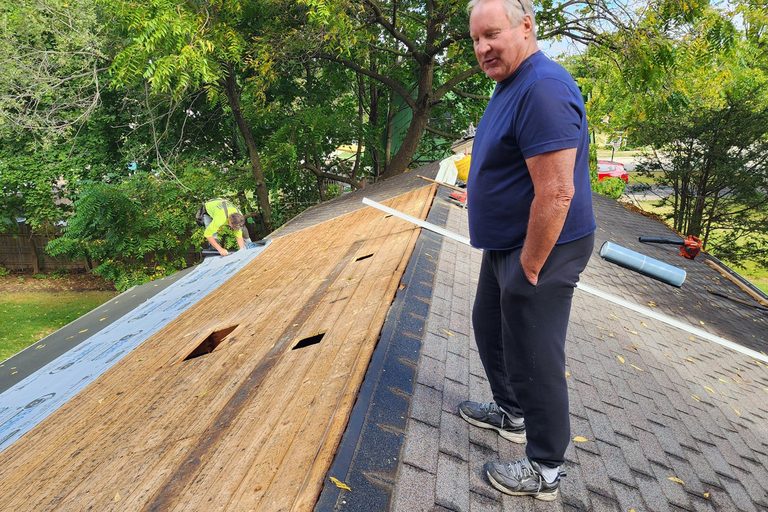
As many as you can fit into the contingency period and the seller will allow access for. A general inspection often leads to specialists: a structural engineer for a foundation crack, an electrician for an old panel, a roofer for a soft spot. The general inspector’s job is to spot the problem; the specialist tells you what it costs to fix.
Book the follow-ups fast, and ask your agent to request a contingency extension in writing if a specialist can’t come in time.
Yes. A city or county building inspector checks that the house meets code at certain stages, but those visits are short and code is a minimum standard. Builders’ crews miss things too: missing insulation, disconnected ducts, gutters that drain toward the foundation, a GFCI outlet wired wrong.
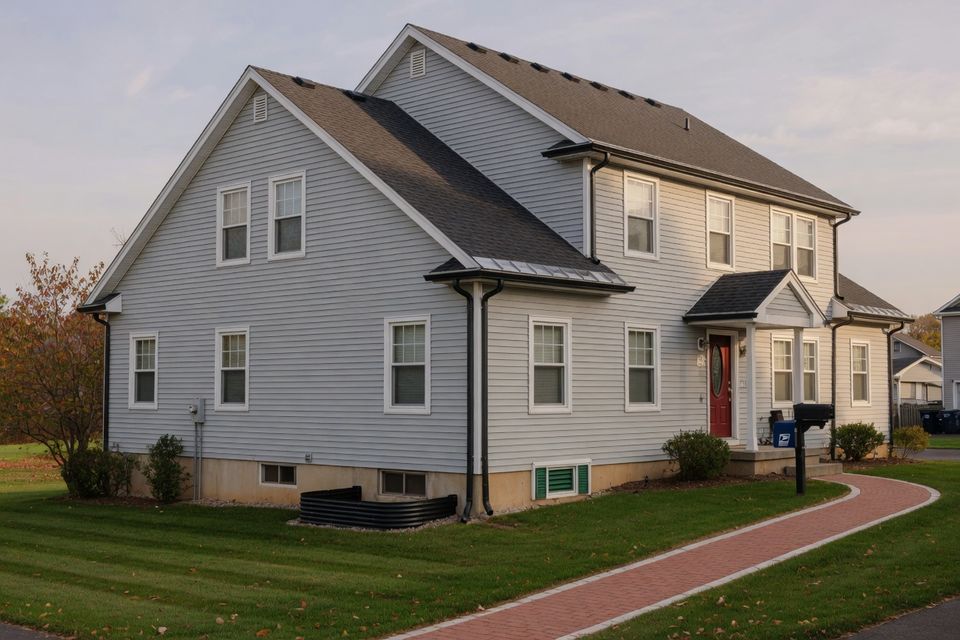
For new construction there are three useful times to inspect:
Read your builder’s contract first. Some limit when outside inspectors can come on site, so ask about it before you sign.
Yes, if your contract has an inspection contingency and you use it before the deadline. That clause lets you cancel and get your earnest money back, usually without having to prove anything was badly wrong. Some contracts are stricter, so read yours.
To back out, your agent sends a written notice of termination citing the contingency, on time. Telling your agent “I don’t want it anymore” isn’t enough. If you miss the deadline, or you waived the contingency, walking away can cost you your deposit.
You don’t have to choose between buying as-is and walking away. You can also ask the seller to make repairs, give a credit at closing or lower the price.
More often than you’d think. Redfin reported that about 15% of home-purchase agreements were canceled in September 2025, and in a survey of its agents more than 70% of failed deals fell through during the inspection period. The usual story isn’t a single disaster; it’s a long repair list and a seller who won’t come down on price.
Whatever your contract says. The clock usually starts when the offer is accepted, not when the report arrives. Typical inspection periods run 7 to 10 days, and some standard state forms set their own default:
Every state and form is different, so check your contract and ask your agent or attorney for the exact deadline date, written on the calendar.
Walk away when the repairs cost more than you can afford or more than the seller will give back, or when the problem is one nobody can price yet. The usual reasons:
Peeling paint, a dripping faucet and a loose railing aren’t reasons to walk away. Every house, including new ones, comes with a list like that.
Compare a repair credit, completed repairs, and a price cut after a home inspection, with loan limits and how to get terms in writing.
Learn why an inspection report is not a repair list, how to sort findings into repair, monitor, and evaluate, and make a focused request.
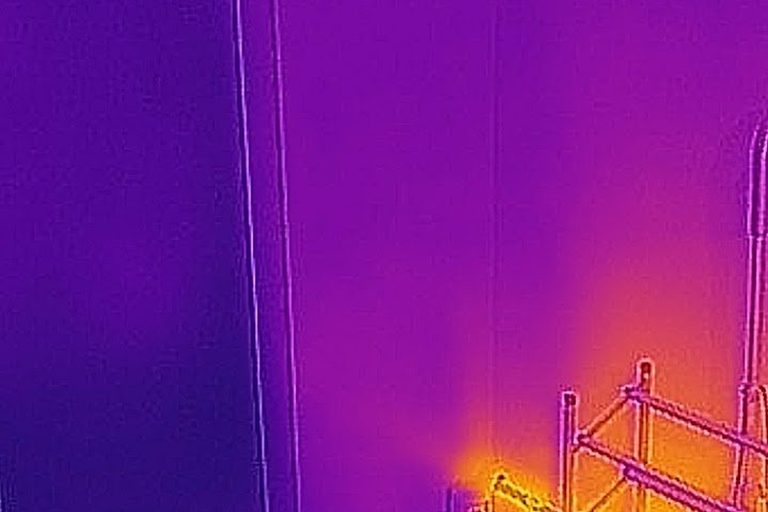
A thermal camera flags possible moisture, missing insulation, air leaks and hot wiring. Learn what a scan can and can't confirm, and what it costs.