Inspection FAQ
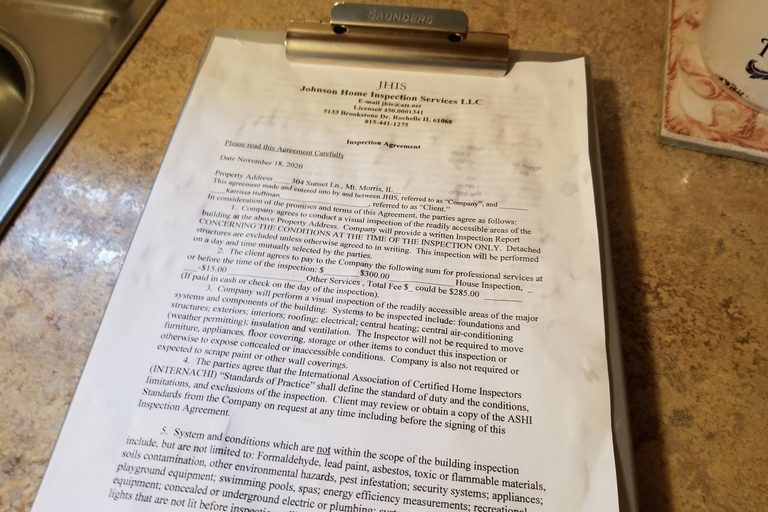
Credit or repairs. What buyers are asking for after the report
Compare a repair credit, completed repairs, and a price cut after a home inspection, with loan limits and how to get terms in writing.
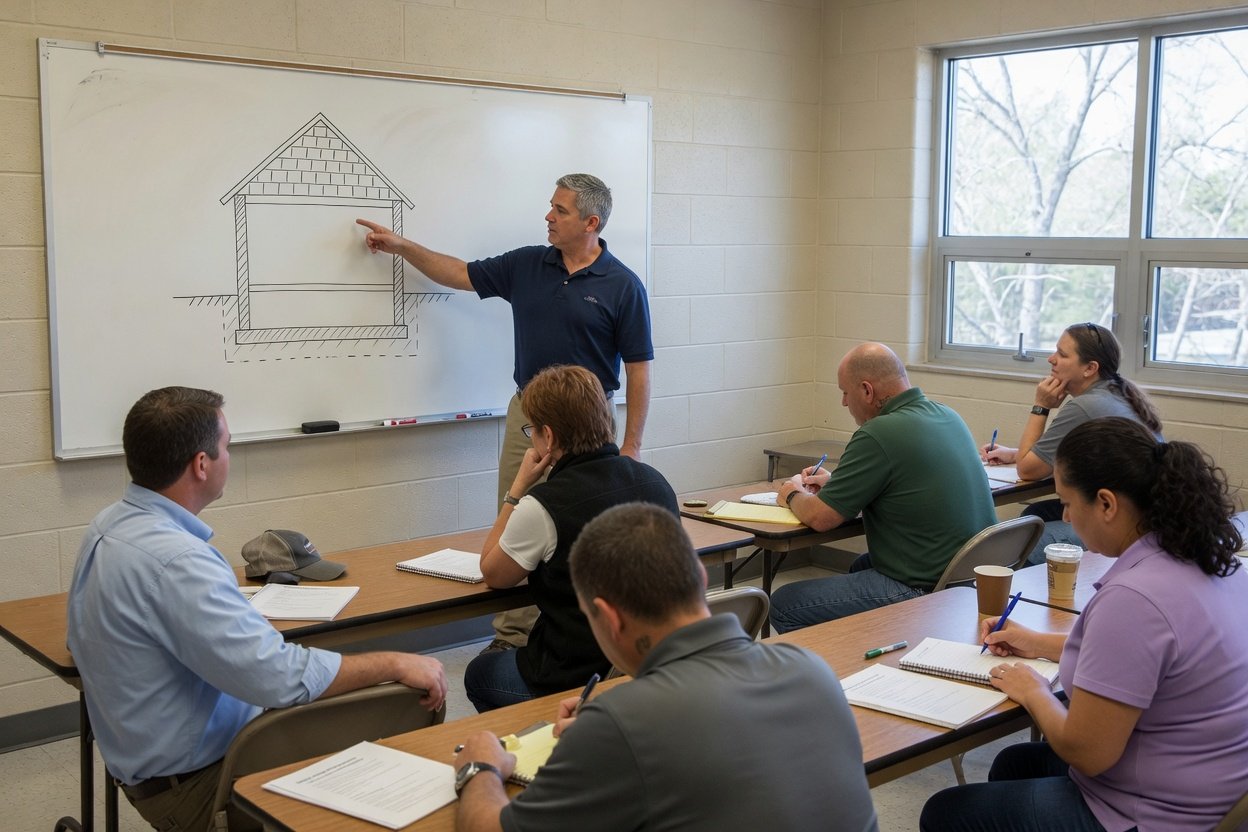
Discover the best home inspection courses and training schools to jumpstart your career. Learn what you need to become a success
The best home inspection course is the one your state accepts. Start there. If your state licenses home inspectors, it sets the classroom hours, the field hours and the exam, and any course that isn’t approved for your state is money spent twice. Once you know the rules, the big names are AHIT and ICA for paid, state-specific packages, and InterNACHI for free online coursework if you join as a member.
Here’s how to sort them out, what they cost, and what a course can’t teach you.
About 34 states require a home inspector license, and roughly 16 don’t regulate the job at all. In a licensing state you’ll usually need a set number of pre-licensing education hours, some supervised or field inspections, and a passing score on the National Home Inspector Examination (NHIE). Some states also want proof of insurance before they issue the license.
The hour counts vary a lot from state to state, so check your state’s licensing board website before you pay for anything. The training schools publish state pages too, but the board is the final word.
If your state doesn’t license inspectors, you can legally start without a course. You still shouldn’t. Buyers and agents ask for credentials, and the first time you miss a double-tapped breaker or a cracked heat exchanger, the course looks cheap.

The NHIE is run by the Examination Board of Professional Home Inspectors, an independent nonprofit. It’s 200 multiple-choice questions, you get four hours, and the fee is $225 each time you sit for it, including retakes. Any course you pick should prepare you for this exam if your state uses it.
AHIT sells state-specific packages: self-paced online courses, NHIE practice exams, and in many states a live field training option where you do practice inspections in real homes with an instructor.
Prices depend on your state’s hour requirements. In Georgia, the packages run $699 to $1,399. In Texas, which requires far more hours, they run $2,499 to $3,699. The top packages add extras like exam prep sessions and commercial or radon courses.
ICA School offers an online home inspection course with exam prep, and its packages currently run $795 (Foundation), $995 (Premier) and $1,495 (Elite). The base package includes report-writing software and a set of bonus courses on business and marketing. The higher tiers add commercial, radon and mold training. ICA also lists field training packages for states that require hands-on hours.
The International Association of Certified Home Inspectors (InterNACHI) is a membership group, not a school you pay tuition to. Members get free access to its online courses, including a 549-hour Home Inspector Certificate Program built from courses on roofing, electrical, plumbing, HVAC, structure and more.
The catch is the membership: $49 a month or $499 a year. If your state approves InterNACHI’s coursework for licensing, that can be the cheapest path. If not, you’ll need a state-approved course anyway and can treat InterNACHI as extra reading.
The American Society of Home Inspectors (ASHI), founded in 1976, is the oldest home inspector association in North America. It’s mainly a professional association and continuing education source, not a pre-licensing school. Some schools, AHIT included, bundle a discount on ASHI membership into their packages.
Older articles, including the first version of this one, list the National Association of Home Inspectors (NAHI) as a training option. NAHI dissolved in 2016. Its name is now owned by InterNACHI and runs as a division of it, so there’s no separate NAHI program to sign up for.
Self-paced online courses are cheapest and fit around a job. The downside is that reading about a sagging ridge or a missing drip leg isn’t the same as finding one.
Whatever format you choose, get into real houses before your first paid job. Field training packages, a ride-along with a working inspector, or mock inspections on friends’ houses all count. You learn more in one cold crawl space than in a week of slides.

Becoming a home inspector takes more than a certificate. Plan for these too:
Compare a repair credit, completed repairs, and a price cut after a home inspection, with loan limits and how to get terms in writing.
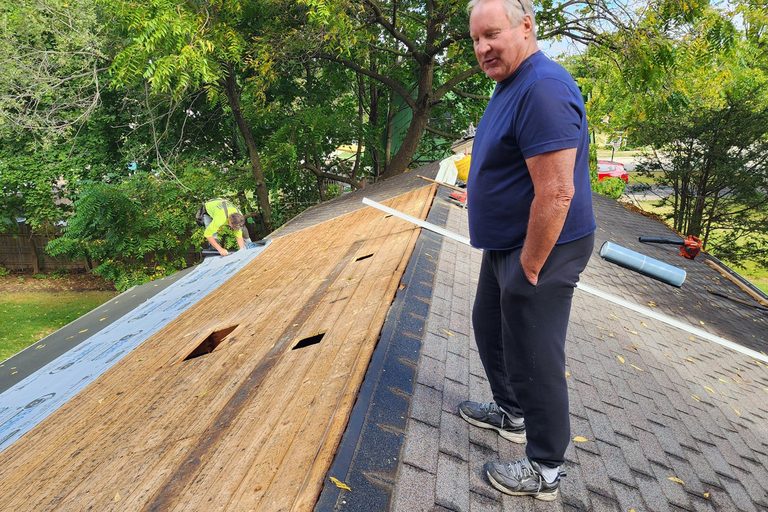
Learn why an inspection report is not a repair list, how to sort findings into repair, monitor, and evaluate, and make a focused request.
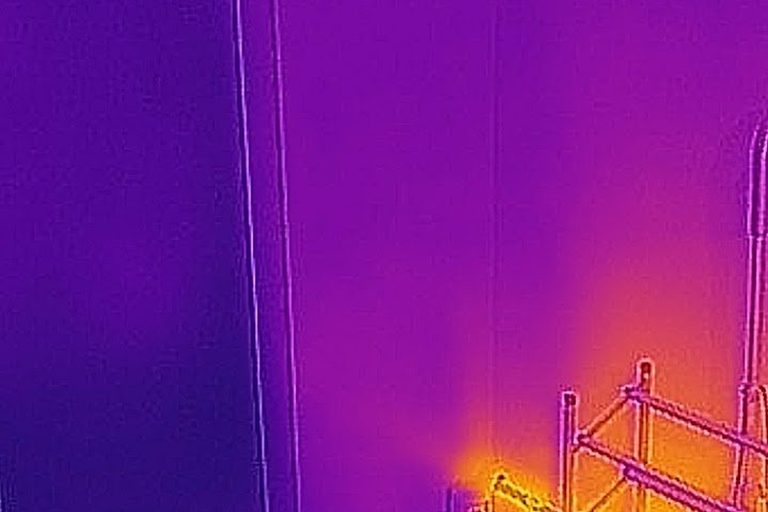
A thermal camera flags possible moisture, missing insulation, air leaks and hot wiring. Learn what a scan can and can't confirm, and what it costs.