Inspection FAQ
Credit or repairs. What buyers are asking for after the report
Compare a repair credit, completed repairs, and a price cut after a home inspection, with loan limits and how to get terms in writing.
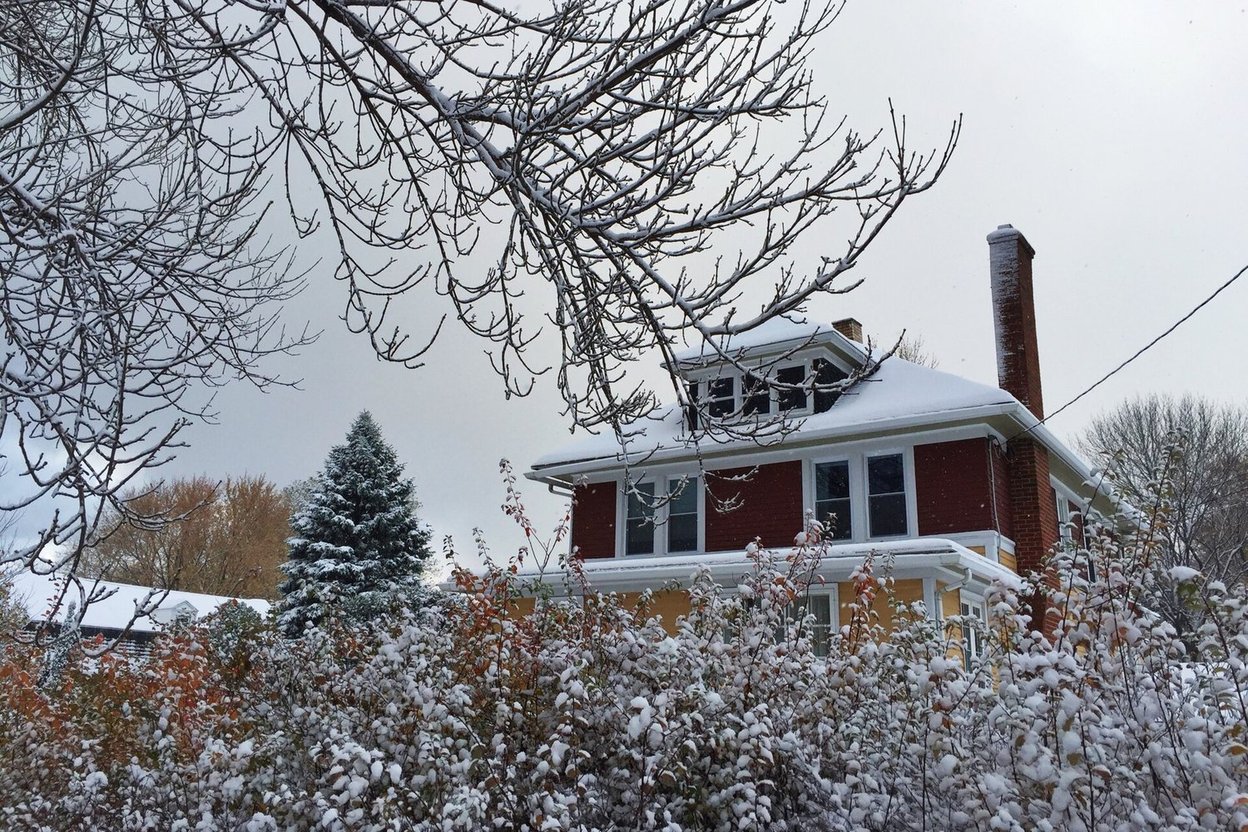
Winter can be a good time to buy, but snow and cold keep the inspector from seeing or testing a few big things. What gets missed, what winter actually reveals, and how to protect yourself in the contract.
Buying a house in winter has real advantages: less competition, motivated sellers and a chance to see how the house handles cold. But snow, ice and cold temperatures hide some things from a home inspector, and a few systems can't be tested at all. Here's what to watch for.
A roof covered in snow can't be inspected properly. The inspector can't see missing or damaged shingles, flashing problems or worn areas. Many inspectors won't walk a snowy or icy roof for safety reasons. See inspecting a roof with snow.
Snow covers the ground around the foundation, so you can't see whether the soil slopes away from the house, where downspouts drain, or where water pools in spring.
Cracks, settling and damage on the outside of the foundation may be under snow.
Snow hides rot, loose boards, cracks and heaving.
Pools are usually closed, sprinkler systems are winterized, and outdoor faucets are shut off.
Winter isn't all bad for an inspection:
Once the snow melts, walk the house:
Winter can be a great time to buy a house, as long as you know what you didn't get to see. For the full process, see how a home inspection helps buyers.
Photo: Snow-covered house, Fredonia, New York by Michael Scialdone, CC BY 2.0.
Compare a repair credit, completed repairs, and a price cut after a home inspection, with loan limits and how to get terms in writing.
Learn why an inspection report is not a repair list, how to sort findings into repair, monitor, and evaluate, and make a focused request.
A thermal camera flags possible moisture, missing insulation, air leaks and hot wiring. Learn what a scan can and can't confirm, and what it costs.