Plumbing
No cleanout. The backup is how people find out
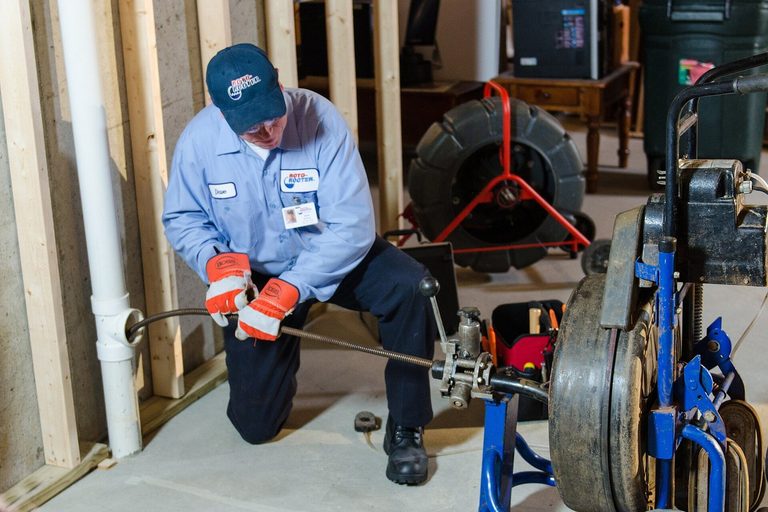
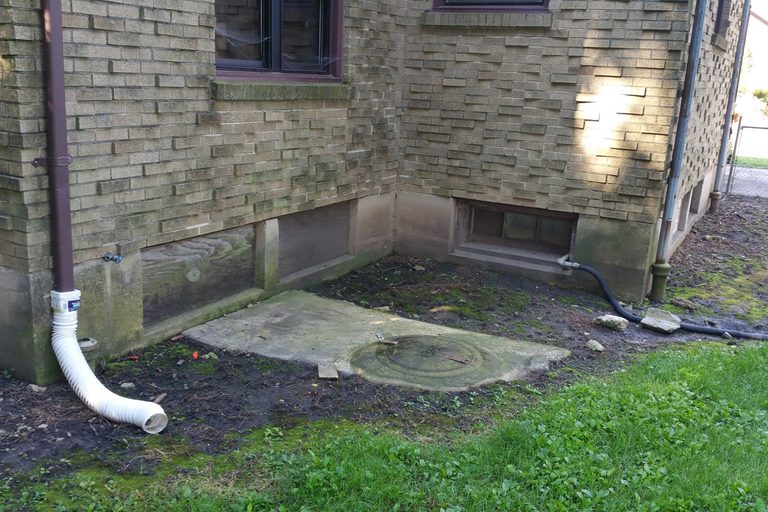
Learn how to find your sewer cleanout, what plumbing codes require, who owns the sewer line, and what a scope or cleanout install costs.
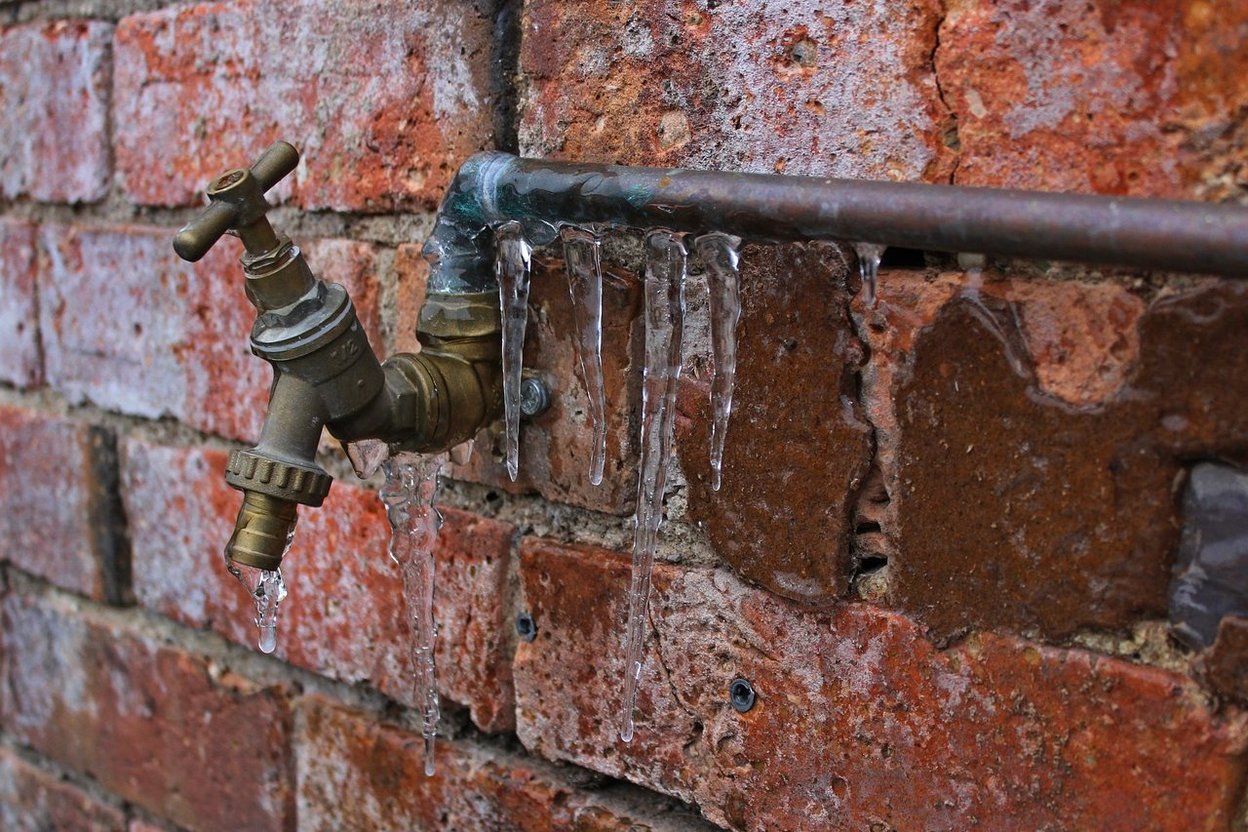
Find the pipes in your house most likely to freeze, protect them for a few dollars this fall, and know what to do if a faucet goes dry on a cold morning.
Pipes freeze first where water lines sit in cold air that house heat doesn't reach. That means unheated crawl spaces and attics, garages, sink cabinets on outside walls, and any spot where wind leaks in around a pipe. Research from the Building Research Council at the University of Illinois found that uninsulated pipes in an unheated attic started to freeze once it got down to about 20°F outside. A pipe sitting in a draft can freeze even when it's warmer than that.
The fix is an hour with a flashlight this fall. Find every pipe that sits in a cold spot, insulate or seal what you can reach, and learn where your main shutoff is before you need it.
Pipes usually don't split right where the ice is. Once an ice plug blocks the pipe, more water keeps freezing and expanding. That pushes the trapped water toward a closed faucet, and pressure builds in that stretch until the weakest point gives. So the split can be several feet from the frozen spot, and you often won't see it until the ice melts and water starts running.
This is also why the standard advice is to open the faucet while you thaw. It gives the trapped water and pressure a way out.
State Farm reported more than 20,000 frozen-pipe and winter water claims from 2024 through June 2025. It paid out over $628 million, and the average claim topped $30,000. The top five states by total cost were Illinois, Oregon, Washington, Texas and Tennessee.
Three of those five are places where a hard freeze doesn't come every week. When a cold snap hits a house built for mild winters, pipes in attics and outside walls have no protection. Wherever you live, if your area ever drops into the teens, do this walk-through.
Pick a cold morning if you can. A cold pipe or a draft is easy to feel with your hand and easy to miss on a warm afternoon.
Kitchen sinks under a window are the classic trouble spot. Bathroom vanities on an outside wall are a close second.
You can't see these, but you can work out where they are. Look for any fixture on an outside wall: a laundry hookup, a second-floor bathroom, a wet bar. Then ask what's on the other side of the wall. A bathroom sitting over an unheated garage, or a room that hangs out past the foundation, puts pipes in a cold cavity.
You won't open walls for this. Just make a list of these fixtures, because they're the ones to drip on the coldest nights. If you're already hunting drafts, the same outlet-cover and light check from finding drafty windows and doors will show you which walls are leaking cold air.
This is where a lot of freezes start. Go in with a good light and look for:
Our crawl space check covers the moisture and pest side of the same trip.
Garages often have water lines for a laundry room, a utility sink, a water softener or a water heater. Follow every pipe you can see and note any that run along an outside wall or ceiling. Keep the big door shut on cold days. A door left open all afternoon turns a garage into an outdoor space.
In much of the South and West, plumbing runs through the attic, sometimes right above the insulation. If you have pipes up there, check that they're buried under the insulation (on the heated side), not lying on top of it. Our attic insulation and ventilation guide shows you how to get around safely.
In an unfinished basement, check where the main water line comes through the foundation. That wall is cold, and the rim joist above it is often poorly sealed.
Hose bibs and sprinkler lines are their own job. Disconnect the hoses and drain what you can. The full steps are in winterizing outdoor faucets.
Foam pipe insulation is the cheapest fix there is. A 6-foot sleeve for 1/2-inch pipe costs about $2 to $4 at home centers (as of October 2026). Measure the outside diameter of your pipe before you buy, since sleeves are sized to fit. Tape the seams and butt the joints tight. A 2-inch gap at an elbow is where the ice will form.
Seal the air leaks. Insulation slows heat loss, but it won't stop a pipe from freezing in a steady wind. Close the gaps at rim joists, sill plates and pipe holes first, then insulate.
Heat cable makes sense for a run you can't keep warm any other way, like a supply line in a crawl space that hits the single digits. Use a thermostatically controlled cable made for water pipes, install it exactly as the instructions say, and plug it into a GFCI-protected outlet. Our GFCI testing guide shows how to check one.
Find and test your main shutoff. It's usually where the water line comes in, close to the meter in a basement, crawl space or garage, or in a curb box out by the street. Turn it off and back on now so you know it works. Tag it so everyone in the house can find it. If it's seized or drips, have a plumber replace it while nothing is flooding.
When a hard freeze is forecast:
If the whole house goes dry at once, the freeze is probably on the main line where it enters, or the problem is outside on the utility side. Call your water utility as well as a plumber.
If water starts spraying or dripping, shut off the main valve right away. Then call a plumber and your insurance company.
This fits in nicely with the rest of the fall home inspection checklist.
Photo by GWizUK on Pixabay.
Learn how to find your sewer cleanout, what plumbing codes require, who owns the sewer line, and what a scope or cleanout install costs.
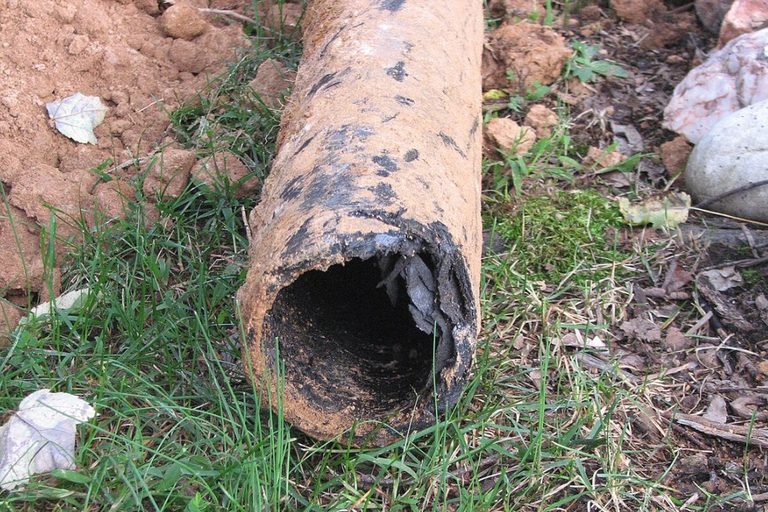
What an inspector looks for on sewer-scope video of Orangeburg pipe: out-of-round walls, blisters, roots, and separated joints.
Is a $250 sewer scope worth it on an older home? See what a camera finds in old lines, what it misses, and what to ask for.